Japanese with Hikari's Blog
Your sensei's tips about Japanese culture and language

Have you ever had something happen all of a sudden, with no warning at all?
Like when your friend calls you at midnight, or your boss suddenly changes the deadline, or your cat jumps on your keyboard while you’re typing!
In Japanese, the word for thi...

Have you ever wanted to add one more punch to your sentence, like “not only that, but also!” or “and what’s more!”?
For example, you might say, “This ramen is super tasty, and on top of that, it’s cheap!” Or, “This smartphone’s battery lasts a long ...

These days, we live in an information-rich world, you can look up anything online before you try it.
But still, there are so many things you only truly understand after experiencing them yourself.
For example, it”s like…
“I didn’t realize how beautif...

Have you ever wanted to say something like:
“For a beginner, your Japanese is really good!”
“It’s pretty warm for February.”
Or even… “For a cheap ramen shop, this place is surprisingly delicious!”
In Japanese, the phrase for this is にしては (ni shite w...

Have you ever wanted to take an action word, a verb, and turn it into a thing so you can talk about it?
In English, we do this all the time with -ing. This process is called a verb nominalizer, it changes a verb into a noun-like form.
Think about it...

You know that great feeling when you finally finish doing something?
Like when you finish your homework, or when you finally finish watching a long anime series.
In Japanese, we use the verb 終わる (owaru).
This verb actually has two main uses.
1. To ...

The particle へ (he) is another key particle in Japanese, and it has a very clear job: it marks direction or destination.
Basically, it answers the question “where to?”
Think about sentences like…
“I go to Australia.”
“I wrote a letter to my family.”
“...

You know those moments when you have two or more choices and you’re trying to decide which one is better?
Like, “Taking the train is better than driving,” or “Watching anime with subtitles is better than without.”
We also do this when we ask for advi...

Have you ever wanted to say “things like A and B” in Japanese?
That’s where the particle や (ya) comes in!
We use や to list a few examples from a longer list.
Unlike particle と (to), which lists everything specifically, や leaves the door open, there a...
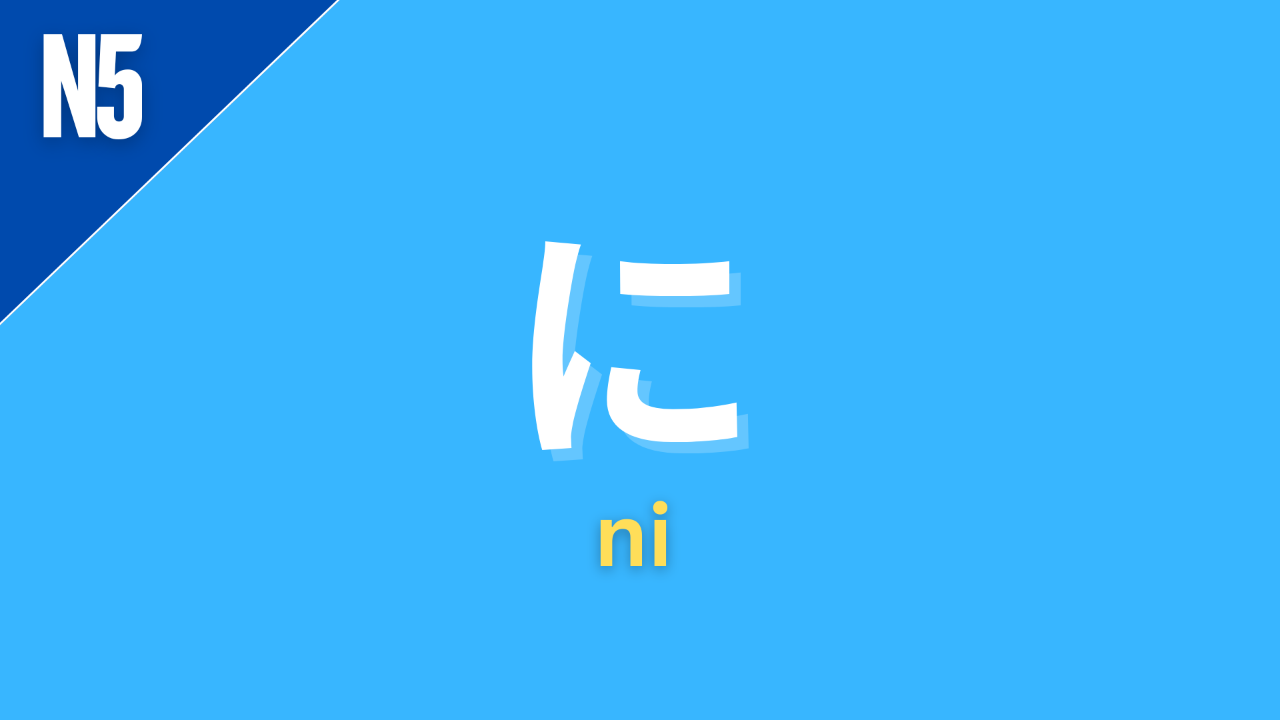
The particle に (ni) is one of the most common and important particles in Japanese.
It marks destination, time, or location, basically, it answers questions like “where?” and “when?”
Think about sentences like:
“I live in Hokkaido.”
“I’ll come on Frida...
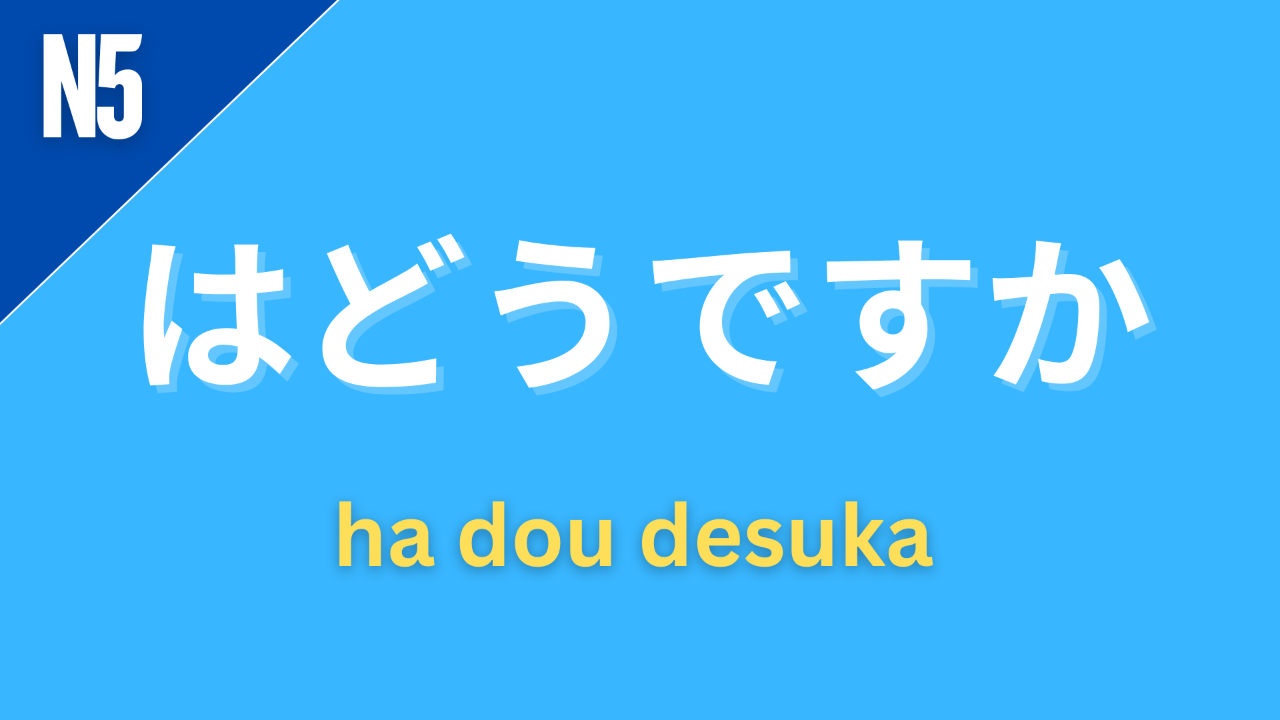
To keep a conversation fun and flowing, it’s important not only to share your own opinion, but also to listen to the other person’s and ask questions that draw out their thoughts!
When you want to suggest something or ask for an opinion in English, ...

If you've been studying Japanese from textbooks, you might be shocked the first time you hear real conversations from Japanese friends.
People don’t always speak like polite anime characters or JLPT examples. We use slang, shorten words.
Let’...

Winter in Japan is basically a warm hug served in a bowl 🫂
If you’ve ever wondered what people eat to stay warm during those chilly months, you’re in for a treat. Let’s see if you have tried them all already!
🍲 Nabe
One of the stars of the season...
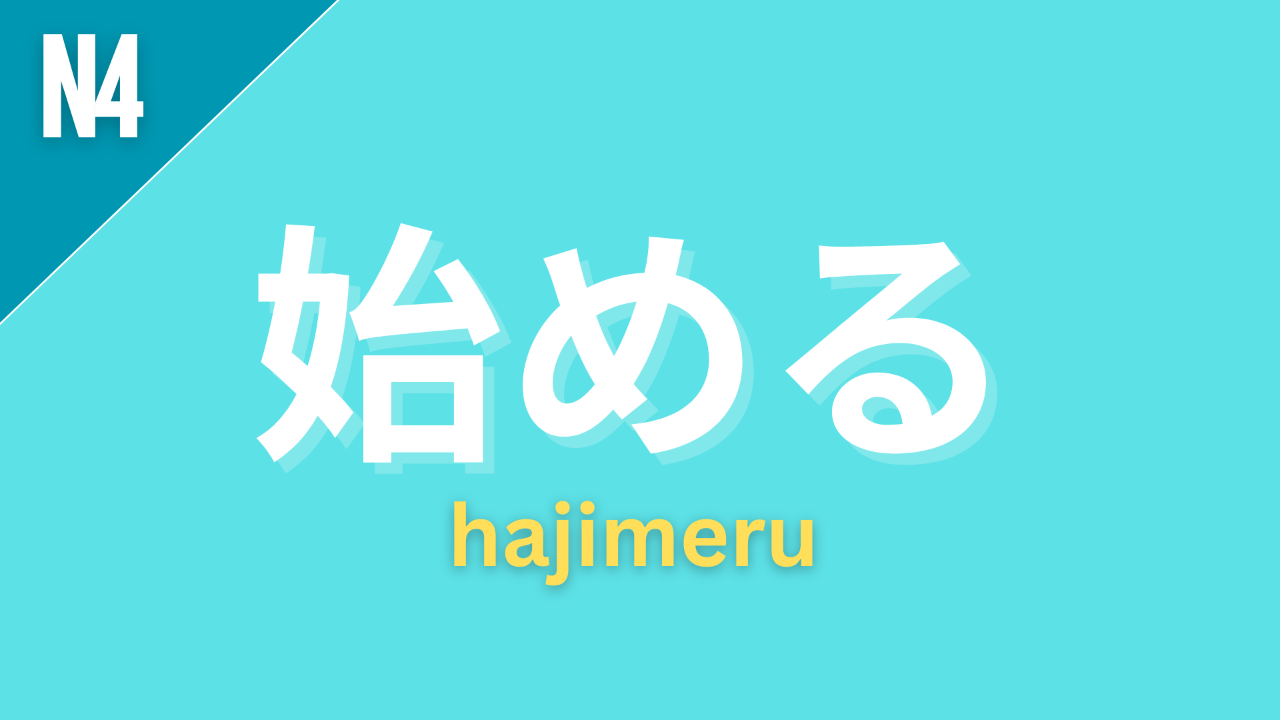
Starting something new is always exciting, right?
Like when you first dive into studying Japanese, start a new job or part-time gig, pick up a fun hobby, or even just hit play on a brand-new anime episode, there’s always that fresh energy at the beg...

Ready for another must-know particle?
If に(ni) shows where something exists or where you go, then で(de) shows where something happens or how it happens.
Think of situations like:
“I study at the library.”
“I came by train.”
“I wrote this with a pen....

What’s one of our favorite topics when chatting with friends?
Of course, it’s talking about the things we like!
And Japanese people are the same. We love talking about our own interests, and also enjoy hearing about what other people like. To be hon...

Sometimes, all it takes is one small thing to make a big difference.
Like when you say, “Just hearing your voice makes me happy,” or “I understood it just by looking at the picture.”
Or on the flip side, you might have seen those sketchy ads like, “L...
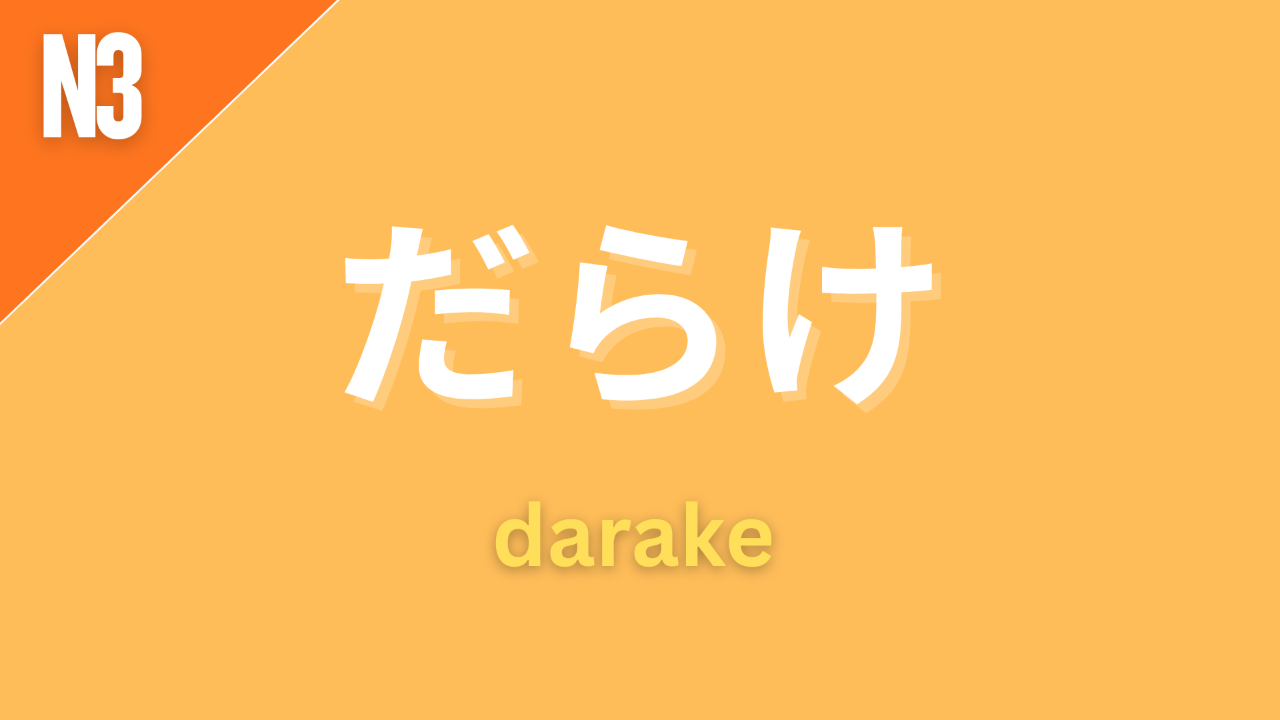
Ever opened an attic that hasn’t seen the light of day in years?
Or walked into your room and thought, “Ugh, everything’s covered in dust…”?
Maybe you’ve glanced at a test paper and sighed, “Wow… it’s just mistake after mistake.”
In Japanese, the go-t...

Life is full of “even if” moments, right?
Even if it rains, we still go out.
Even if you fail once, you can try again.
Even if it takes a lot of time and money, I want to study abroad in Japan.
In Japanese, the phrase for this is たとえ〜ても (tatoe ~ temo...
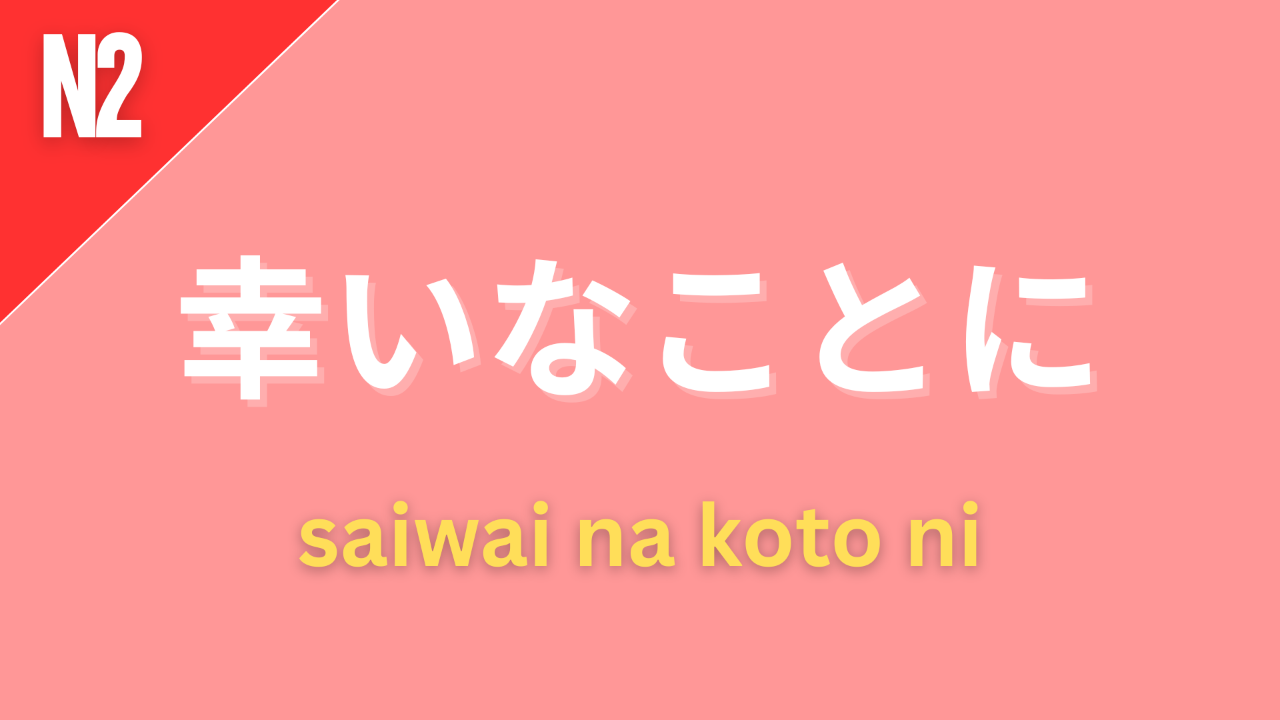
Have you ever had one of those moments where you thought, “Phew, that was close… luckily everything turned out okay”?
Or maybe something unfortunate happened, but looking at the situation you felt, “It could have been worse...”
In Japanese, we say 幸い...

Have you ever thought back and said, “Ever since that moment, everything changed”?
Like, “Ever since I started learning Japanese, my Netflix list is full of Japanese anime and yakuza movies!,” or “Ever since I met my best friend, my life’s been bright...
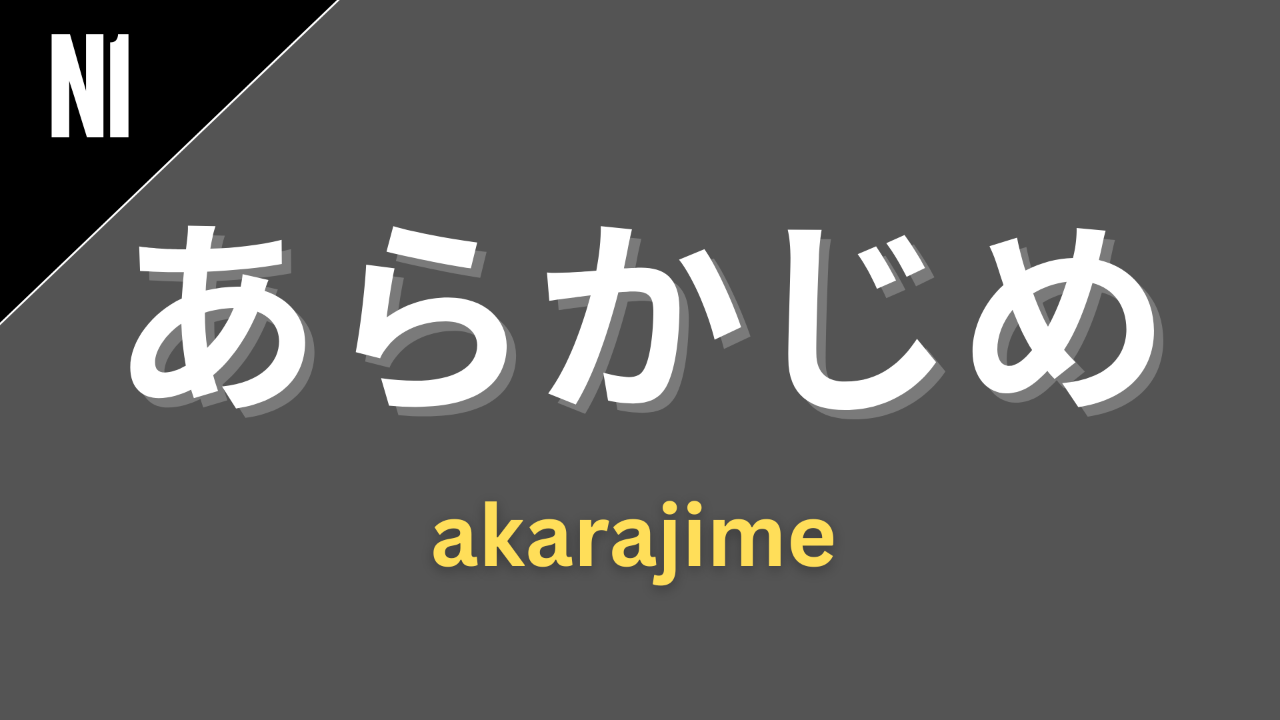
Are you the type who always prepares everything perfectly in advance?
Like, you’ve already printed your tickets, packed an umbrella just in case, and even made a backup plan for your backup plan?
Or maybe you’re the opposite, omeone who thinks, “It’...
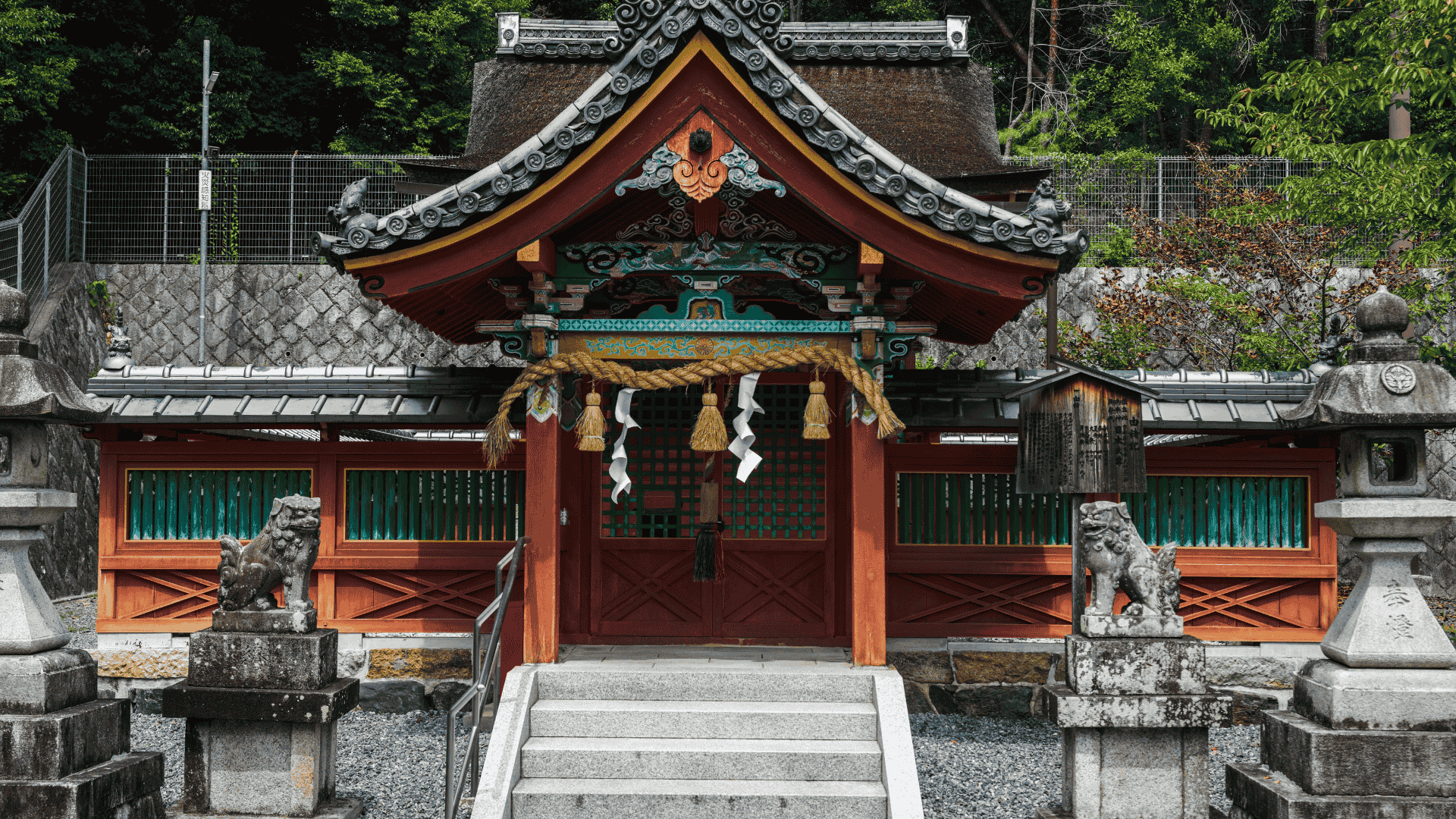
New year in Japan, or Oshōgatsu (お正月), is a big deal. It’s calm, meaningful, and full of traditions that go way beyond countdowns and fireworks. If you’ve ever wondered why the whole country feels different around January 1, here’s your guide to the ...
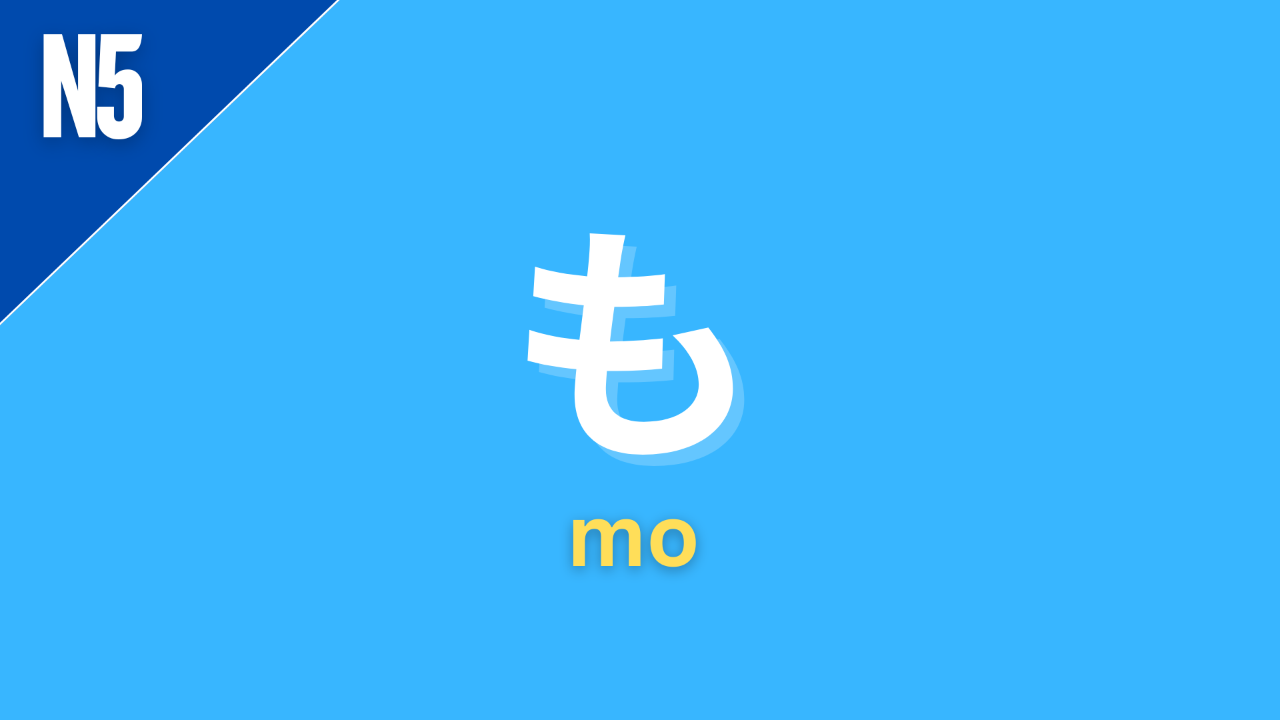
What does the particle も (mo) mean?
も (mo) means “too / also”. It replaces は, が or を:
- “Too / also”: 私もアニメが好きです。(I like anime too.)
- “Both… and…”: 東京も京都も行きたいです。(I want to go to both Tokyo and Kyoto.)
- “Neither… nor…” (with a negative): 肉も魚も食べませ ...

Get Hikari's Free Tips, Tutorials and Special Offers
By submitting this form, you are agreeing to receive messages from Hikari. Your email address will NEVER be shared or sold. You are always free to easily unsubscribe or customize your email preferences at any time and a link will be provided in all communications.