JLPT N3 - Grammar 🌟 だらけ darake
Ever opened an attic that hasn’t seen the light of day in years?
Or walked into your room and thought, “Ugh, everything’s covered in dust…”?
Maybe you’ve glanced at a test paper and sighed, “Wow… it’s just mistake after mistake.”
In Japanese, the go-to word to describe all of this is だらけ (darake).
It basically means “full of” or “covered with.” You use it when something is there in bigger amounts than expected, often to the point of being a bit too much.
Most of the time, it’s used for negative things like dust, mud, mistakes, trash, or even injuries. But in casual conversation, people sometimes flip it around for fun. for example, when a cat lover walks into a cat cafe and finds themselves surrounded by cats, they might say, “犬だらけでうれしい!” (“It’s full of dogs, amazing!”).
It’s an N3 grammar point, but you’ll hear it all the time in everyday conversation, especially when people are joking around, exaggerating, or making small complaints about life’s little messes.
Ready to dig deeper into how to use it?


まみれ (mamire)
Also means “covered in,” but it’s often used for substances sticking to the surface. It can sound stronger or more dramatic than だらけ.
→泥だらけ
どろ だらけ
doro darake
covered with mud
→泥まみれ
どろ まみれ
doro mamire
smeared/soaked in mud (very strong image)
💡 Tip:
だらけ feels more like “there’s a lot of it around,” while まみれ gives the impression that something is directly stuck all over you, messier and more intense.


先週提出したレポート、誤字だらけだったよ。
せんしゅう ていしゅつ した れぽーと、ごじ だらけ だった よ。
senshuu teishutsu shita repooto, goji darake datta yo.
The report you submitted last week was full of typos.
えー!なにこの部屋!ゴミだらけなんだけど!
えー!なに この へや! ごみ だらけ なん だけど!
ee! nani kono heya! gomi darake nan da kedo!
What the heck is this room?! It’s covered in trash!
来週から新しい職場に行くのですが、不安だらけです。
らいしゅう から あたらしい しょくば に いく の です が、ふあん だらけ です。
raishuu kara atarashii shokuba ni iku no desu ga, fuan darake desu.
I’m starting a new job next week, and I’m full of worries.
あの二人、結婚直前で別れたみたいだよ。彼が借金だらけだったんだって。
あの ふたり、けっこん ちょくぜん で わかれた みたい だ よ。かれ が しゃっきん だらけ だった ん だ って。
ano futari, kekkon chokuzenn de wakareta mitai da yo. kare ga shakkin darake datta n da tte.
I heard those two broke up right before getting married. Apparently, he was buried in debt.
私のスマホのアルバムは子どもの写真だらけです。
わたし の すまほ の あるばむ は こども の しゃしん だらけ です。
watashi no sumaho no arubamu ha kodomo no shashin darake desu.
My smartphone album is full of pictures of my kids.
このお店は私が大好きなアニメのグッズだらけで、はっきりいって天国です。
この おみせ は わたし が だいすき な あにめ の ぐっず だらけ で、はっきり いって てんごく です。
kono omise ha watashi ga daisuki na anime no guzzu darake de, hakkiri itte tengoku desu.
This shop is full of anime goods I love. honestly, it’s heaven.

- Grammar Point: だらけ(darake)
- JLPT Level: N3
- Meaning: Full of, covered with, filled with
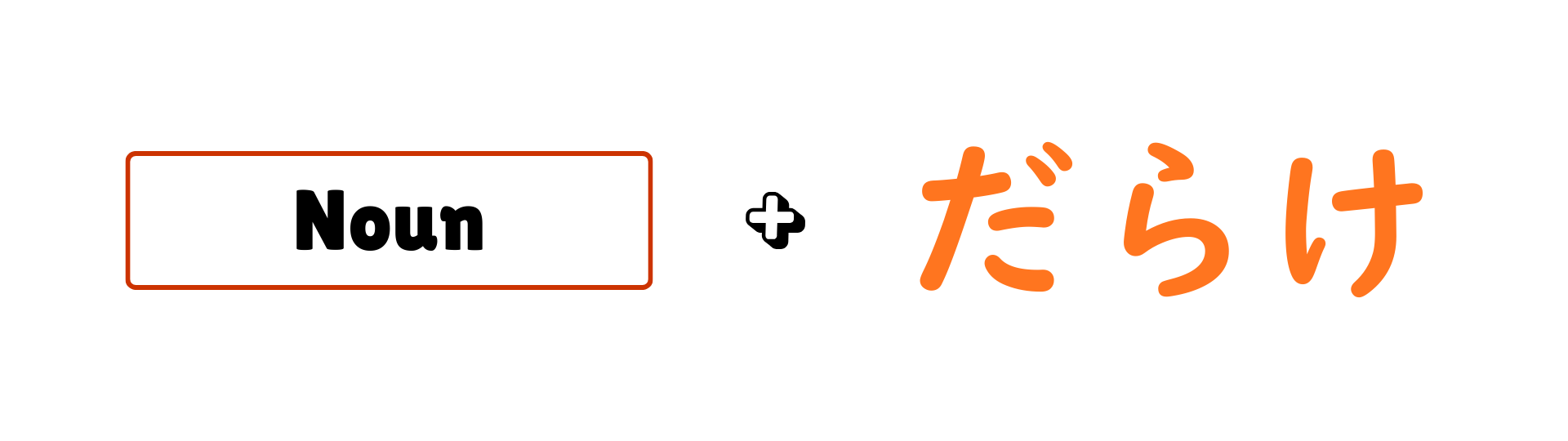
- Quick Explanation: だらけ attaches to nouns to show that something is covered with or overflowing with that thing.
So that’s how we use だらけ in Japanese!
It’s perfect for exaggerating, joking, or even complaining a little.
私の頭の中は日本語学習のアイデアだらけです!
わたし の あたま の なか は にほんご がくしゅう の あいであ だらけ です!
watashi no atama no naka ha nihongo gakushuu no aidea darake desu!
My head is full of ideas for Japanese learning!
Now it’s your turn! what’s something in your life that’s だらけ?
I’d be extra happy if it’s related to Japan or Japanese!
Your Sensei,
Hikari 👩🏻🏫
Get Hikari's JLPT Mock Exams & Preparation Lessons!
Whether you are studying to pass the JLPT or looking for a challenge in your learning journey, these courses are perfect for you!
Join my ニュースレター Newsletter 📩
You can expect an email from me once a week about Japanese culture.
Don't worry, your information will not be shared.
We hate SPAM. We will never sell your information, for any reason.