JLPT N5 - Grammar 🌟 はどうですか hadoudesuka
To keep a conversation fun and flowing, it’s important not only to share your own opinion, but also to listen to the other person’s and ask questions that draw out their thoughts!
When you want to suggest something or ask for an opinion in English, you might say “How about this?” or “What do you think about that?”
In Japanese, the go-to phrase is はどうですか (ha dou desu ka).
It’s super useful when recommending something, offering options, or asking for someone’s thoughts.
You’ll hear it all the time in daily conversation, especially when making plans with friends, suggesting food, or checking if something works for the other person.
Shall we take a look?


はどうですか(ha dou desu ka) vs ませんか (masen ka)
はどうですか (ha dou desu ka) is a neutral way to suggest something or ask for an opinion.
ませんか (masen ka) is more like an invitation, actively encouraging someone to join.
さんぽはどうですか
sanpo ha dou desuka
How about a walk? (neutral suggestion)
いっしょに さんぽしませんか
issho ni sanpo shimasen ka
Shall we take a walk together? (inviting)
はどうでしょうか (ha dou deshou ka) / はいかがでしょうか (ha ikaga deshou ka)
A more polite or formal version of “どうですか(dou desu ka),” often used in business settings, customer service, or when speaking respectfully.
💡 Tip:
In casual conversations, you’ll often hear the shortened version “はどう? (ha dou?)” instead of the full “はどうですか.”(ha dou desu ka)

この本はどうですか。
この ほん は どう です か。
kono hon ha dou desu ka?
How about this book?
あの監督の新しい映画はどうですか。
あの かんとく の あたらしい えいが は どう です か。
ano kantoku no atarashii eiga ha dou desu ka?
How about the new movie by that director?
私が心を込めていれたコーヒーはどう?おいしい?
わたし が こころ を こめて いれた こーひー は どう?おいしい?
watashi ga kokoro wo komete ireta koohii ha dou? oishii?
How about the coffee I made with love? Is it good?
週末にピクニックに行くのはどうですか。
しゅうまつ に ぴくにっく に いく の は どう です か。
shuumatsu ni pikunikku ni iku no ha dou desu ka?
How about going on a picnic this weekend?
あの居酒屋はどうですか。おいしいと聞きましたよ。
あの いざかや は どう です か。おいしい と ききました よ。
ano izakaya ha dou desu ka? oishii to kikimashita yo.
How about that izakaya? I heard it’s good.
ひかり先生のオンラインコースはどうですか。
ひかりせんせい の おんらいん こーす は どう です か。
hikari sensei no onrain koosu ha dou desu ka?
How about Hikari-sensei’s online course?
<Conversation Example>
A: 明日のデート、どこに行く?
あした の でーと、どこ に いく?
ashita no deeto, doko ni iku?
Where should we go for tomorrow’s date?
B: 水族館はどう?
すいぞくかん は どう?
suizokukan ha dou?
How about the aquarium?

- Grammar Point: はどうですか (ha dou desuka)
- JLPT Level: N5
- Meaning: How about, what do you think about
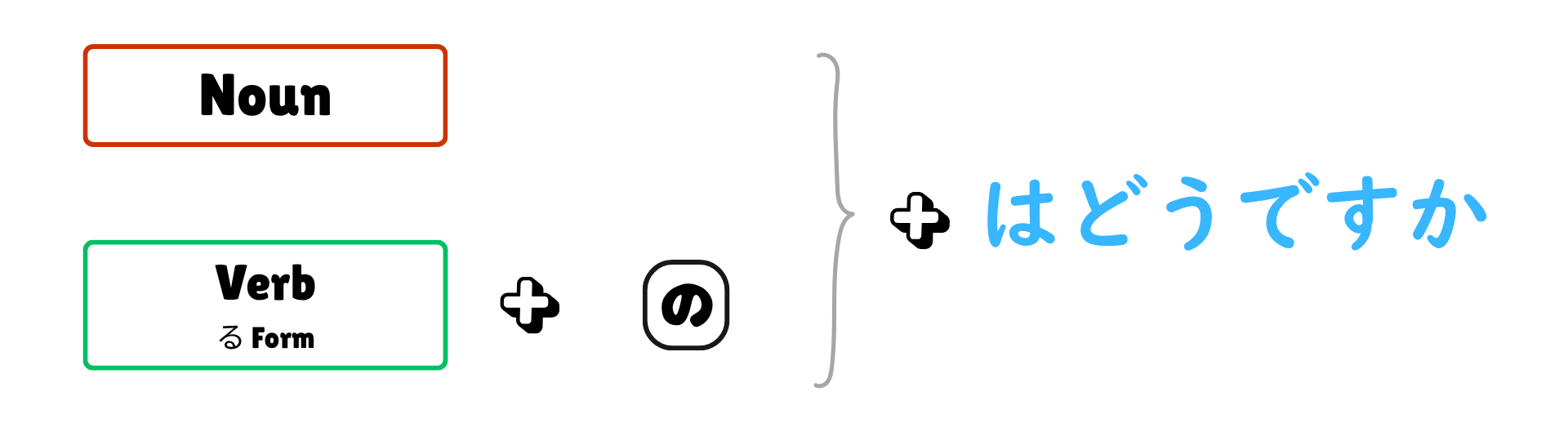
- Quick Explanation: Use 〜はどうですか when you want to suggest something or ask for an opinion. It works with nouns and with actions.
So that’s how we use はどうですか in Japanese!
It’s a friendly way to keep the conversation flowing and invite others to share their thoughts.
わたしブログはどうですか。わかりやすいですか。
わたし ぶろぐ は どう です か。 わかりやすい です か。
watashi burogu ha dou desu ka? wakariyasui desu ka?
How about my blog? Is it easy to understand?
Now it’s your turn, try making your own suggestions with 〜はどうですか and see how natural your conversations become!
Your Sensei,
Hikari 👩🏻🏫
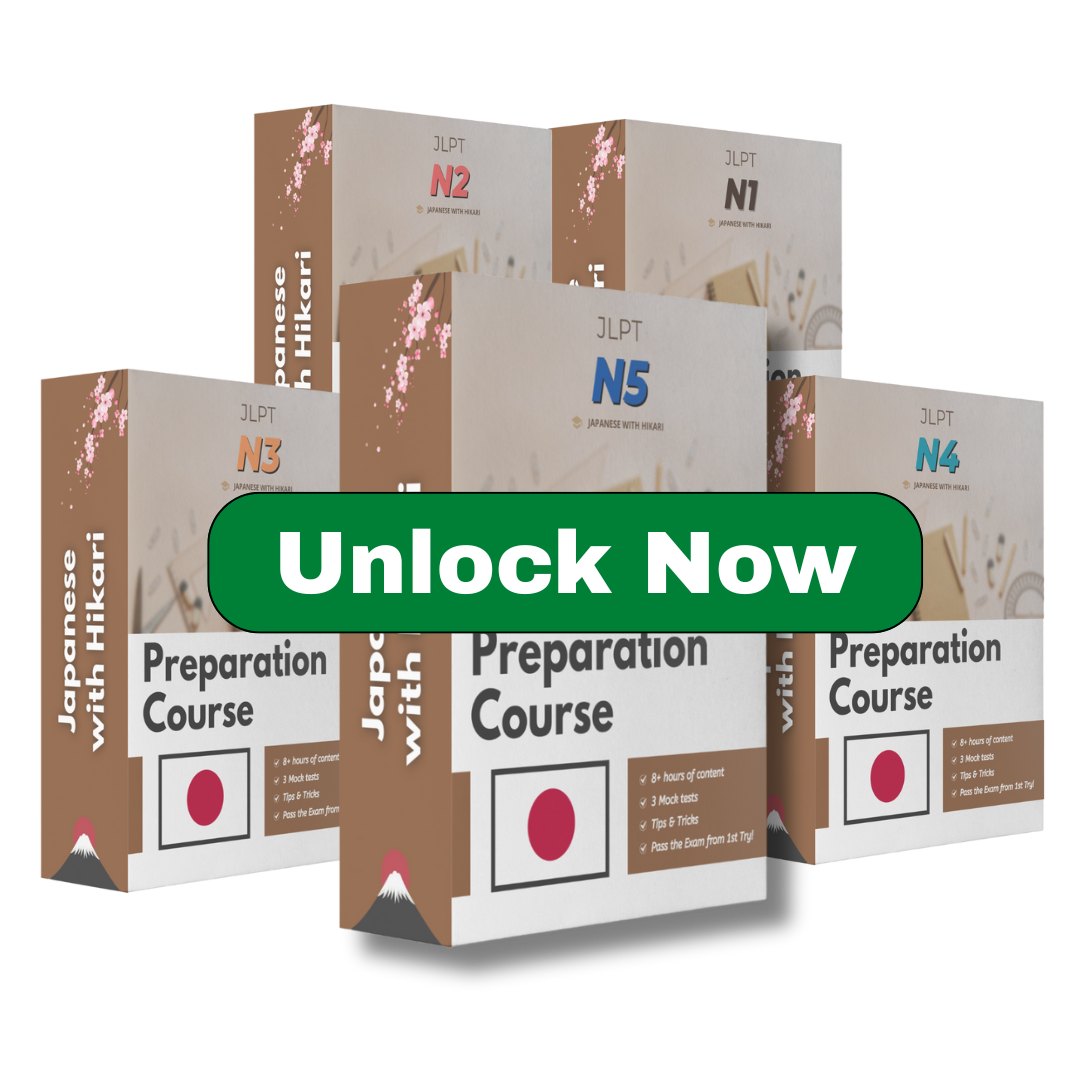
Get Hikari's JLPT Mock Exams & Preparation Lessons!
Whether you are studying to pass the JLPT or looking for a challenge in your learning journey, these courses are perfect for you!
Join my ニュースレター Newsletter 📩
You can expect an email from me once a week about Japanese culture.
Don't worry, your information will not be shared.
We hate SPAM. We will never sell your information, for any reason.