Japanese with Hikari's Blog
Your sensei's tips about Japanese culture and language
Have you ever tried something and thought, “Wow, this is actually better than I expected”?
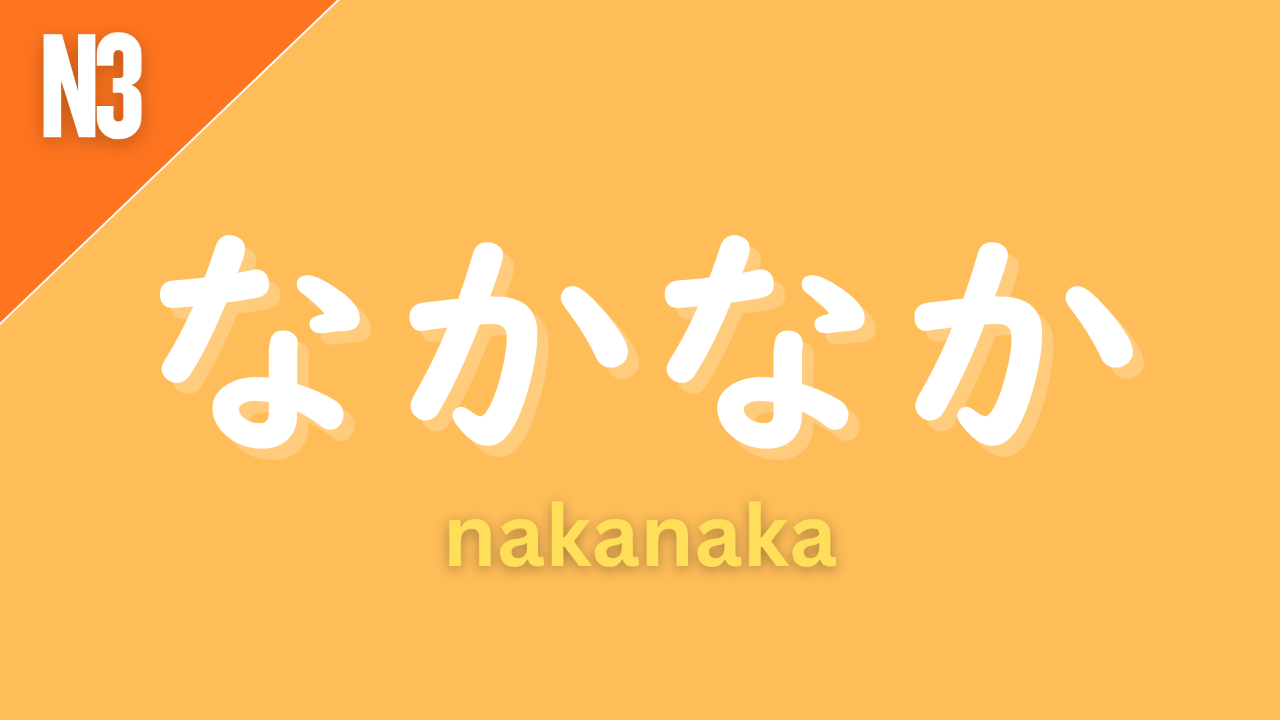
That’s when Japanese speakers often use なかなか (nakanaka), a little word that expresses pleasant surprise or admiration.
It’s often translated as “quite,” “prett...

Imagine you’re in Japan and you want to take a photo at a beautiful shrine.
You see someone nearby and want to ask politely, not too direct, not too casual.
That’s when you use ていただけませんか(te itadakemasen ka), one of the most polite ways to say “Could...

Have you ever fallen asleep with the lights still on… or left your house still wearing your pajamas?
Or maybe, at a class reunion, you saw your first love again, and they smiled with the same warm smile as back then, unchanged by time.
In Japanese, ...

I’m sure many of you reading my blog have experienced this before...
Maybe you’ve watched a Japanese anime or movie, or tried ramen, or a sweet matcha dessert at a Japanese restaurant in your country.
In Japanese, when we talk about something we’ve ...

Have you ever met someone who knows everything about a certain topic?
Maybe there’s that one colleague at your office who’s mastered every accounting trick and system, the living dictionary of bookkeeping. Or maybe you have a friend who’s always readi...

You know those moments when you think,
“I should’ve gone shopping while it was still sunny!”
Or maybe,
“I wish I had started studying Japanese while I was still a student…”
In Japanese, there’s a perfect phrase for expressing these “while you can” mom...
You’re strolling through a market in another country when you suddenly spot a notebook with a kimono-style pattern on the cover.
You stop and think,
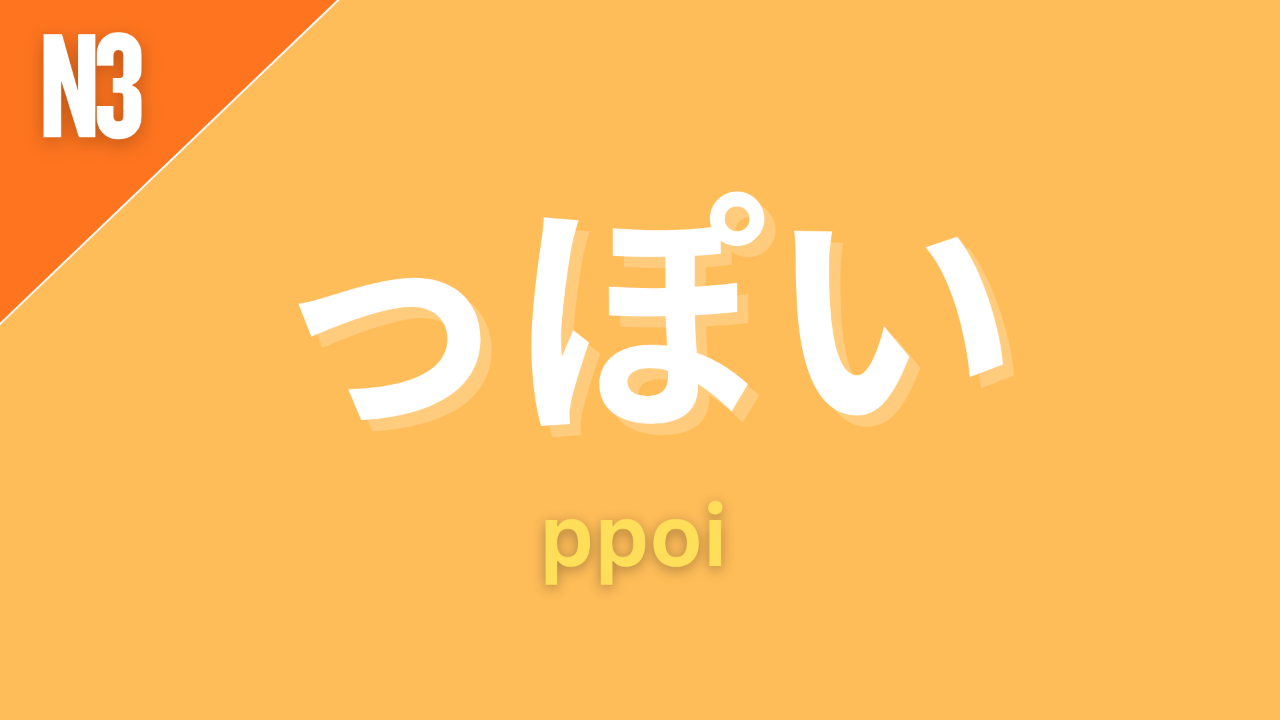
“Hmm… this feels kind of Japanese-ish, or maybe Japanese-like!”
In Japanese, you can express that same...
Imagine this, you’re walking down a street in Japan, and suddenly you stop in front of a cake shop.
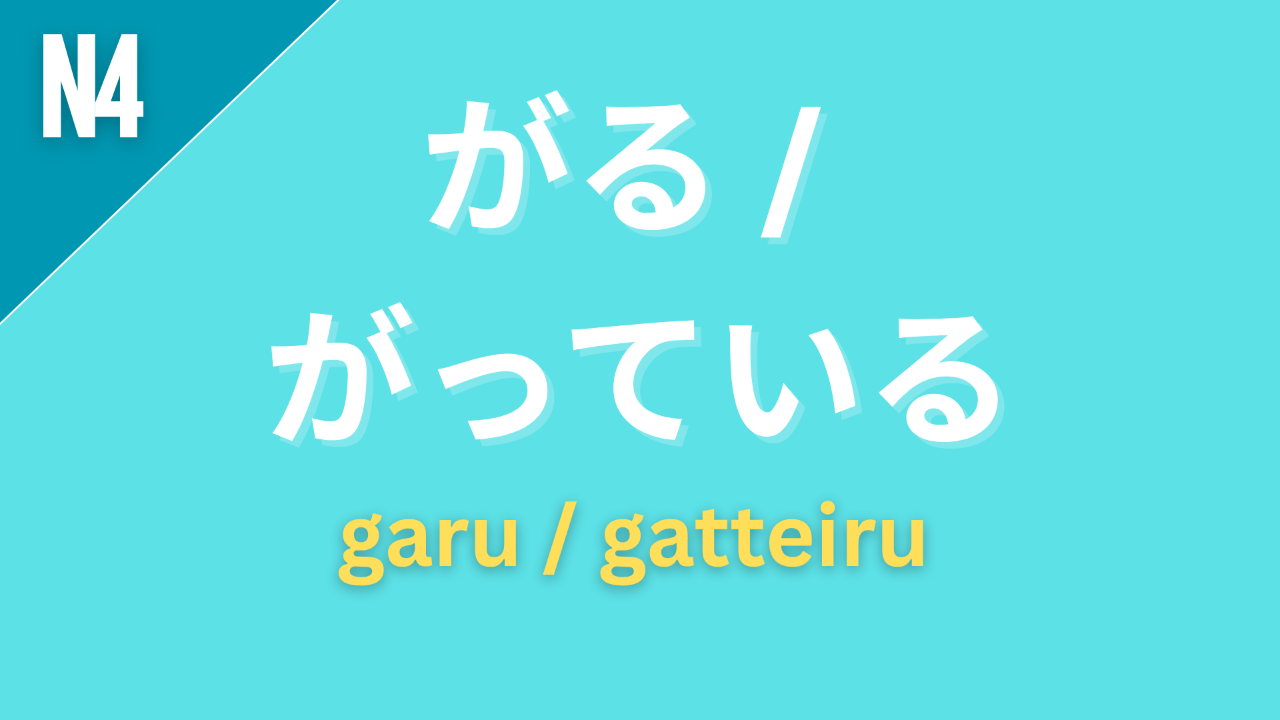
Your friend’s eyes start sparkling, their mouth drops open, and they can’t look away from the strawberry shortcake in the window…
You can feel it, r...

Imagine your friend is struggling to carry heavy bags, so you say,
“I’ll help you!”, and you actually do it.
Or picture this, it’s right before a big test.
You feel confident, but your friend looks on the verge of tears because they don’t understand s...

Have you ever walked out of your house and suddenly thought,
“Oh no… I forgot my phone!”
That exact moment, when you realize something, is what we describe in Japanese using に気がつく (にきがつく / ni ki ga tsuku).
It means “to notice,” “to realize,” or “to ...

You’re walking down a street in Japan for the first time, everything feels new and exciting!
You spot a bright sign and gasp,
“Oh! There’s a konbini (convenience store)!”
You walk in and look around
“There’s an onigiri corner! There’s a sandwich cor...

Seasons change, people change, even your Japanese skills will change, and all of that can be expressed with one simple word: なる (naru)!
なる means “to become” and shows a change of state, when something or someone turns into a different condition or s...

Have you ever wanted to say, “This is just my opinion, okay?”, or tell yourself, “No matter what happens, I’ll get this done!”
In Japanese, both of those situations can use the same expression, あくまでも (akumademo)!
Sounds tricky, right? One phrase th...
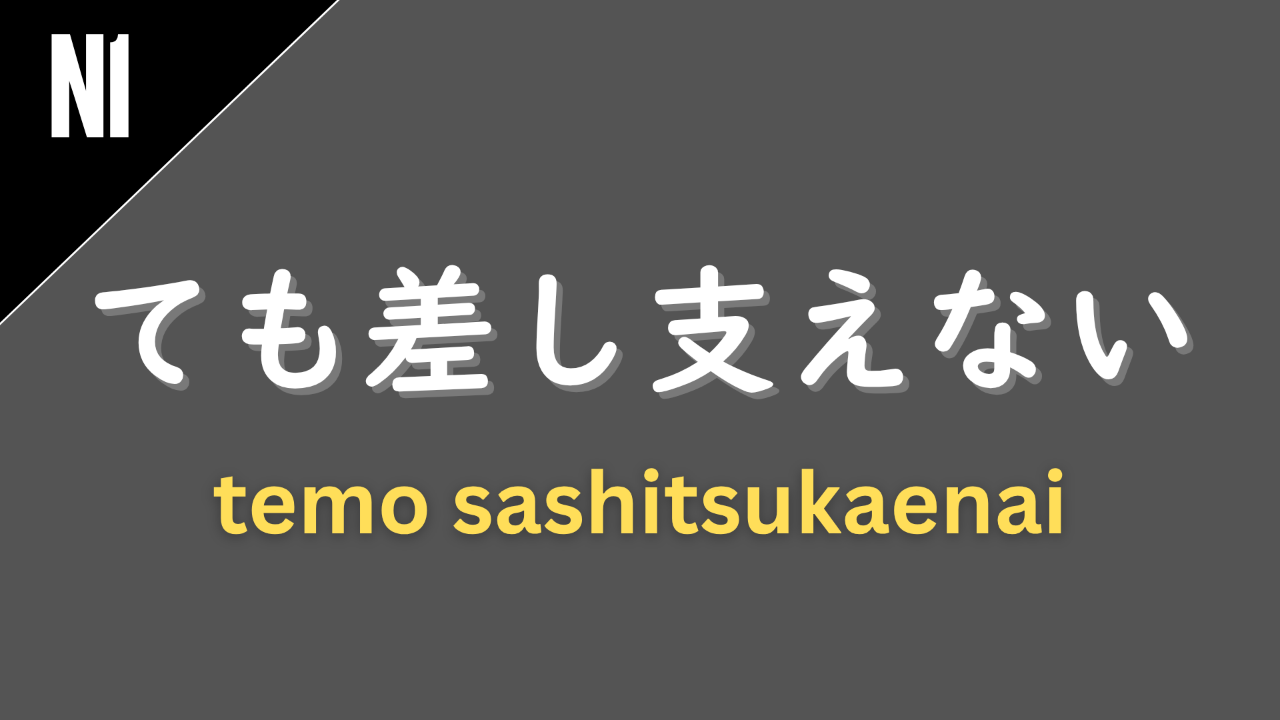
Have you ever wanted to say, “It’s okay if you…”, but in a super polite, professional way?
That’s where ても差し支えない (temo sashitsukaenai) comes in!
It means “it’s okay if…” or “you can…”, and it’s an N1-level expression often used in business or formal ...
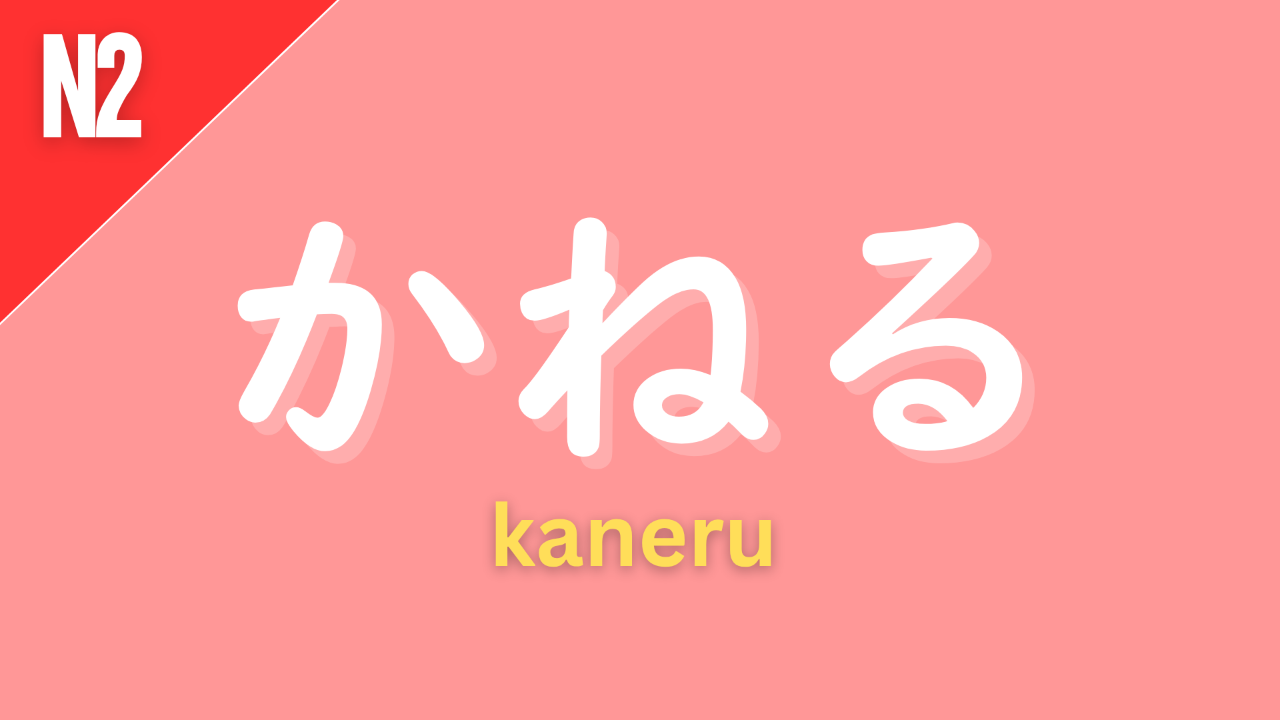
Have you ever been in a situation where you wanted to say “I can’t,” but saying it directly felt too harsh?
In Japanese business or formal situations, you can’t always just say できません, it can sound too strong or blunt.
That’s when かねる (kaneru) comes...

Imagine this: you’re at work, and suddenly the ground starts shaking, it’s an earthquake!
An announcement comes through the speakers:
“Get under your desks!” No time to think, just act immediately.
In Japan, where earthquakes and other natural disas...
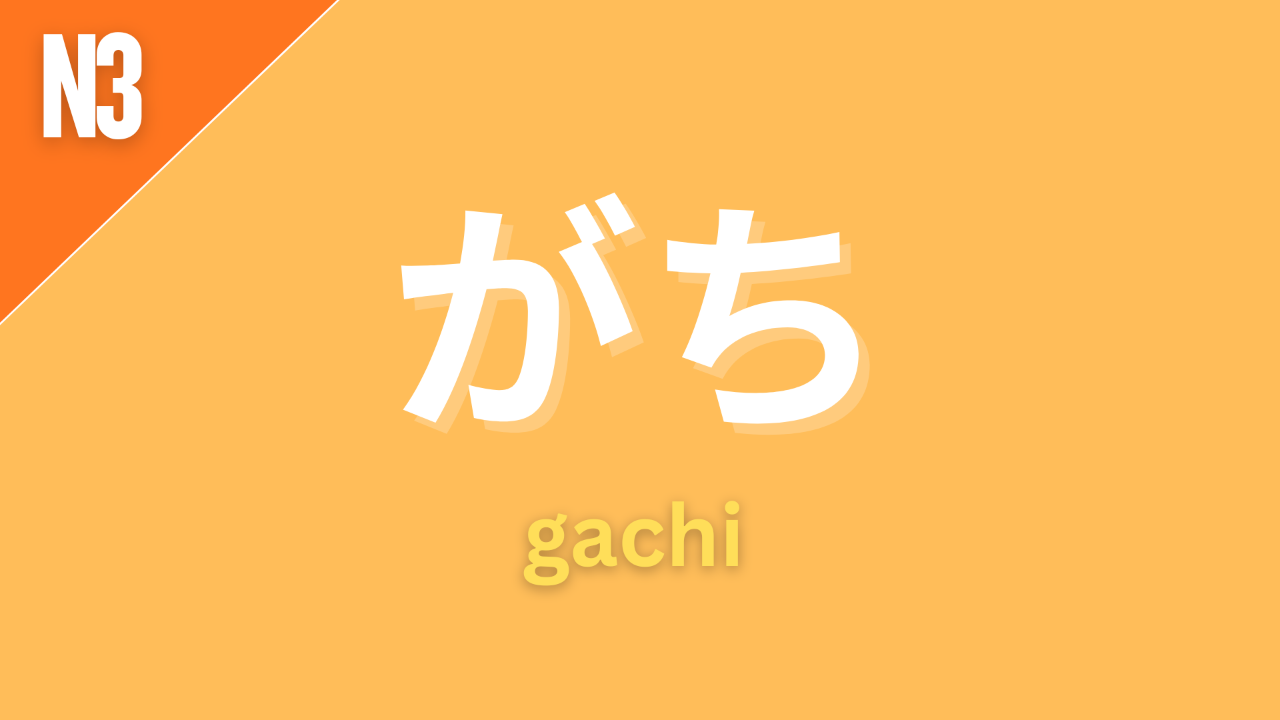
Do you ever catch yourself doing the same little bad habits over and over again?
Like forgetting your keys (again!), showing up just a bit late, or catching colds whenever the weather changes?
In Japanese, there’s a perfect word for those “oops, I d...

Have you ever wanted to say “That’s true” or “You’re right about that” in Japanese?
That’s where 確かに(たしかに / tashika ni) comes in.
It means “surely,” “certainly,” or “indeed,” and it’s used when you want to recognize something as true or undeniable.
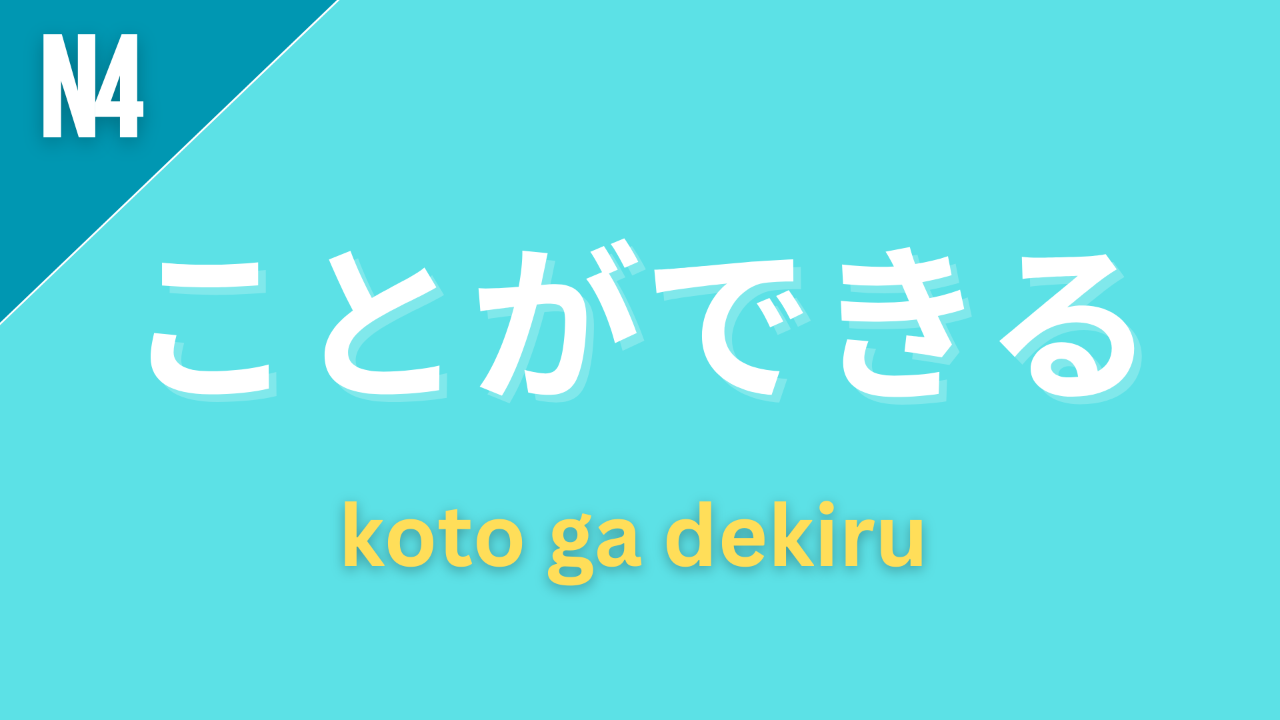
Have you ever been in a situation where you needed to ask,
“Can I pay by card?”
“Can I take a photo here?”
or “Can you speak English?”
In Japanese, when you want to ask or say what someone can or is able to do, we use ことができる (koto ga dekiru).
It’s an ...

Have you ever made a plan or schedule and wanted to say it naturally in Japanese?
Like, “I plan to travel to Japan next month,” or “The meeting is scheduled for Friday”?
When you come to Japan, locals might even ask you,
“What are you planning to do o...

Have you ever been stuck in a long line that just wouldn’t move?
You wait and wait, but… “It’s just not moving!”
In Japanese, we use なかなか〜ない (nakanaka ~ nai) to express this kind of feeling,
when something doesn’t happen easily, or takes longer than e...
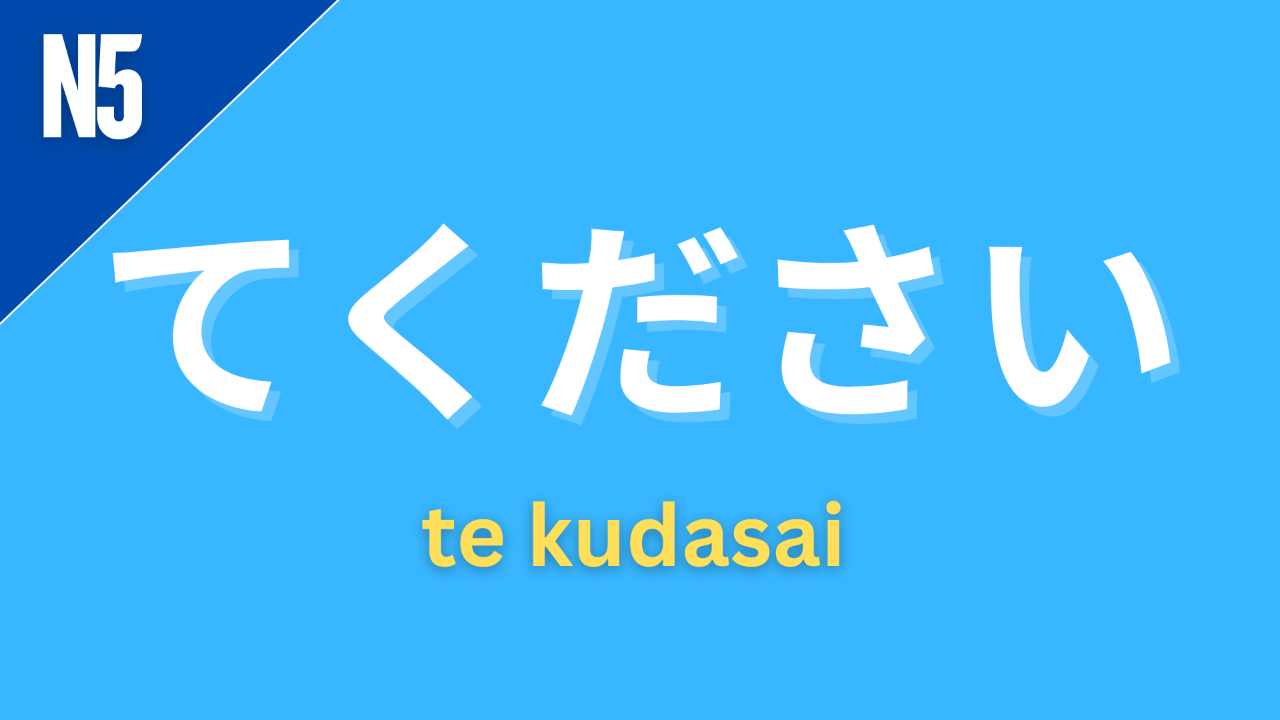
Have you ever wanted to politely ask someone to do something in Japanese?
Not just in daily life, but especially when you visit Japan, you’ll find yourself in so many situations like… “Please wait a moment,” or “Please say it again”?
In Japanese, we ...
If you want to make your Japanese sound more natural and colorful, mastering adjectives is a must!
In Japanese, there are two main types of adjectives: い-adjectives and な-adjectives.
In this article, we’ll focus on い-adjectives, the ones that always...
If you’ve already learned about い-adjectives, great job!
Now, let’s look at the other half of the adjective family, な-adjectives.
In Japanese, there are two main types of adjectives: い-adjectives and な-adjectives.
Unlike い-adjectives, な-adjectives do...

Get Hikari's Free Tips, Tutorials and Special Offers
By submitting this form, you are agreeing to receive messages from Hikari. Your email address will NEVER be shared or sold. You are always free to easily unsubscribe or customize your email preferences at any time and a link will be provided in all communications.