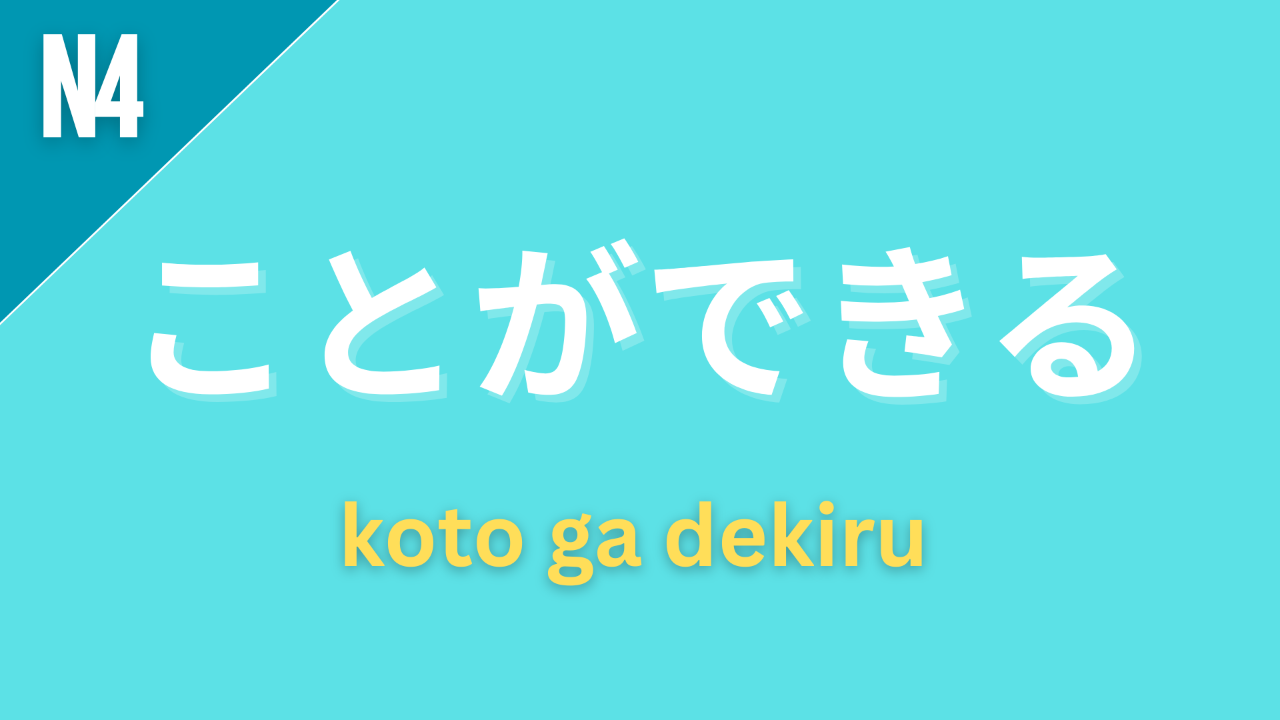
JLPT N4 - Grammar 🌟 ことができる koto ga dekiru
Have you ever been in a situation where you needed to ask,
“Can I pay by card?”
“Can I take a photo here?”
or “Can you speak English?”
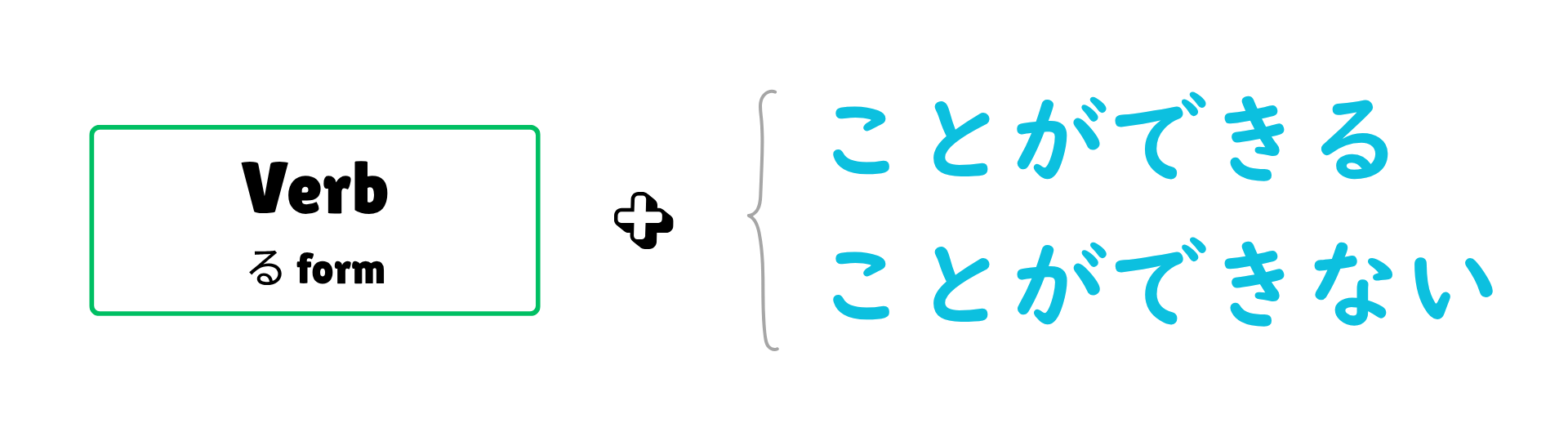
In Japanese, when you want to ask or say what someone can or is able to do, we use ことができる (koto ga dekiru).
It’s an N4 grammar point that means “can do” or “be able to.”
You’ll hear it often when making polite requests or checking what’s possible, for example, in shops, stations, or hotels.
It’s slightly more formal and softer than just saying できる, which makes it perfect for everyday polite Japanese.
Let’s learn how to use it naturally, so you can express what you can (or can’t) do in Japanese, politely and confidently!
Shall we start?


できる (dekiru) vs ことができる (koto ga dekiru)
Both できる (dekiru) and ことができる (koto ga dekiru) mean “can” or “be able to,” but there’s a small difference in tone and formality.
できる (dekiru) focuses on ability, “someone is capable of doing something.”
It’s more natural in daily conversation.
彼はピアノができる。
かれ は ぴあの が できる。
kare ha piano ga dekiru.
He can play the piano.
ことができる (koto ga dekiru) focuses on the action, “the act of doing something is possible.”
It sounds more polite or formal, and you’ll often hear it in announcements or written explanations.
この図書館では本を借りることができます。
この としょかん では ほん を かりる こと が できます。
kono toshokan de wa hon wo kariru koto ga dekimasu.
You can borrow books at this library.
💡 Tip:
できる (dekiru) for casual, spoken Japanese,
ことができる (koto ga dekiru) for polite or formal contexts.

彼女は日本語を話すことができる。
かのじょ は にほんご を はなす こと が できる。
kanojo ha nihongo wo hanasu koto ga dekiru.
She can speak Japanese.
私は楽器を演奏することができない。
わたし は がっき を えんそう する こと が できない。
watashi ha gakki wo ensou suru koto ga dekinai.
I can’t play any musical instruments.
講義のあと、直接質問することができます。
こうぎ の あと、ちょくせつ しつもん する こと が できます。
kougi no ato, chokusetsu shitsumon suru koto ga dekimasu.
You can ask questions directly after the lecture.
この美術館では、写真を撮ることができません。
この びじゅつかん では、しゃしん を とる こと が できません。
kono bijutsukan de ha, shashin wo toru koto ga dekimasen.
You cannot take photos in this museum.
この気持ちは言葉で表すことができません。
この きもち は ことば で あらわす こと が できません。
kono kimochi ha kotoba de arawasu koto ga dekimasen.
I can’t express this feeling in words.
新幹線の中では、Wi-Fiを使うことができます。
しんかんせん の なか で は、Wi-Fi を つかう こと が できます。
shinkansen no naka de ha, Wi-Fi wo tsukau koto ga dekimasu.
You can use Wi-Fi on the Shinkansen.

- Grammar Point: 〜ことができる (~koto ga dekiru)
- JLPT Level: N4
- Meaning: Can, be able to
- Quick Explanation: ことができる is used to express ability or possibility, in other words, “can do something.”
So that’s how we use ことができる!
It’s polite, clear, and super practical, perfect for travelers, students, or anyone communicating in Japanese.
あなたは日本語を話すことができる。
あなたは にほんごを はなす ことが できる。
anata ha nihongo wo hanasu koto ga dekiru.
You are able to speak Japanese.
Now it’s your turn, try making your own sentences with ことができる and share what you can do in Japanese!
Your Sensei,
Hikari 👩🏻🏫
Get Hikari's JLPT Mock Exams & Preparation Lessons!
Whether you are studying to pass the JLPT or looking for a challenge in your learning journey, these courses are perfect for you!
Join my ニュースレター Newsletter 📩
You can expect an email from me once a week about Japanese culture.
Don't worry, your information will not be shared.
We hate SPAM. We will never sell your information, for any reason.