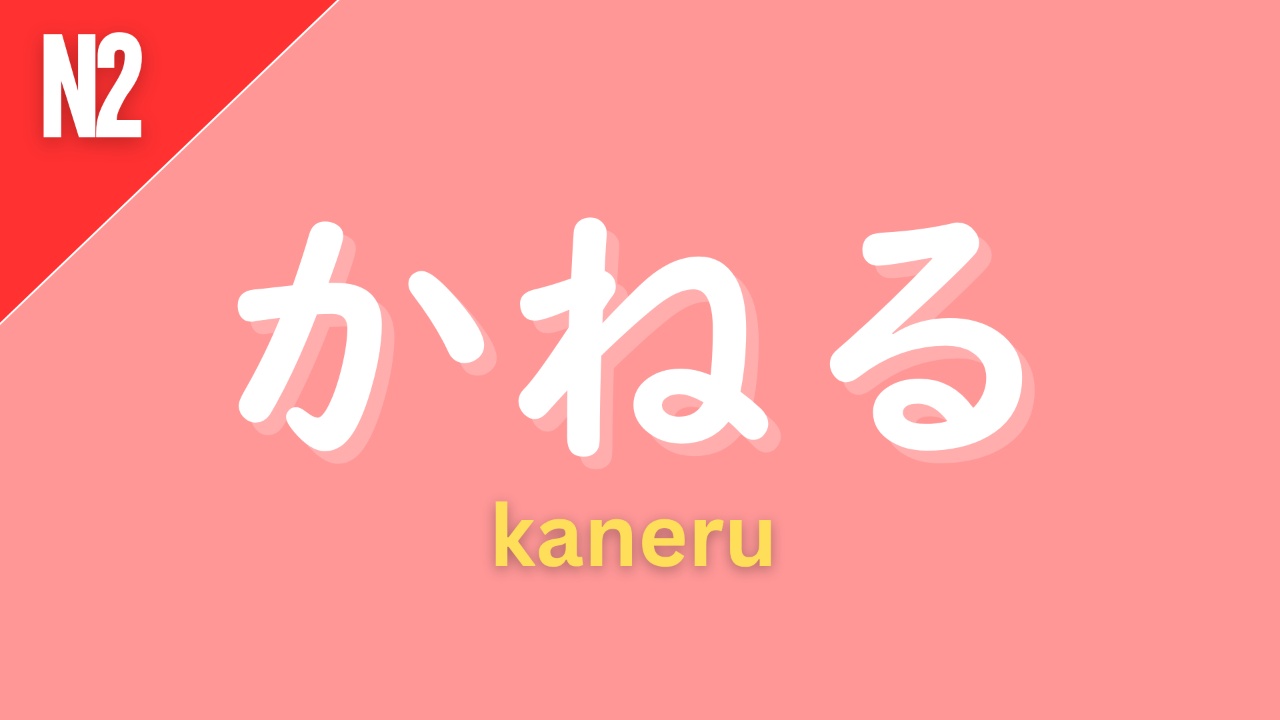
JLPT N2 - Grammar 🌟 かねる kaneru
Have you ever been in a situation where you wanted to say “I can’t,” but saying it directly felt too harsh?
In Japanese business or formal situations, you can’t always just say できません, it can sound too strong or blunt.
That’s when かねる (kaneru) comes to the rescue!
It’s a polite, indirect way to say “I’m unable to do it”, often used when something is difficult due to your position or circumstances.
It’s an N2 grammar point that sounds professional, respectful, and elegant, perfect for business emails, customer service, or formal speech.
Let’s learn how to use it naturally and avoid sounding too direct!

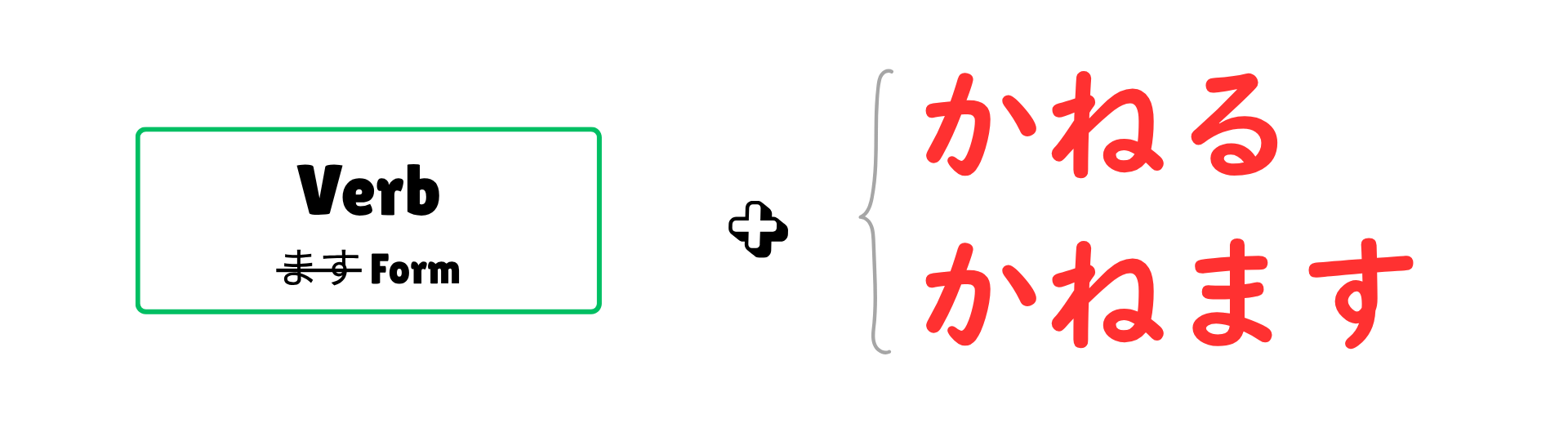

できません (dekimasen) vs かねます (kanemasu)
Both できません (dekimasen) and かねます (kanemasu) mean “I can’t,” but the nuance is very different.
できません (dekimasen) is simple and direct, you’re clearly stating that something is not possible. It’s totally fine in casual or neutral settings, but in business or formal situations, it can sometimes sound a little too strong or blunt.
かねます(kanemasu) , on the other hand, is softer and more indirect. It’s often used when you want to decline or say “no,” but you need to do it politely. It shows that you understand the request, but due to your position, situation, or company rules, you can’t fulfill it.
「お答えできません。okotae deki masen」 sounds like “I can’t answer.” (plainly stating a fact)
「お答えしかねます。okotae shikanemasu」 sounds like “I’m afraid I can’t answer.” (respectful and considerate)
So you can think of できません(dekimasen) as a straight road, while かねます (kanemasu) takes a gentle detour to reach the same destination, perfect when you want to keep things polite and professional.
💡 Tip:
In real conversations, you’ll hear かねます (kanemasu) much more often than かねる (kaneru).

ご要望にはお応えしかねます。
ごようぼう に は おこたえ しかねます。
goyoubou ni ha okotae shikanemasu.
I’m unable to meet your request.
申し訳ございませんが、ご希望には添いかねます。
もうしわけ ございません が、ごきぼう に は そいかねます。
moushiwake gozaimasen ga, gokibou ni ha soikanemasu.
I’m sorry, but I’m unable to fulfill your request.
それは契約の範囲を超えていますので、対応しかねます。
それ は けいやく の はんい を こえています の で、たいおう しかねます。
sore ha keiyaku no han’i wo koeteimasu node, taiou shikanemasu.
That is beyond the scope of the contract, so we’re unable to handle it.
社内規定により、受け付けしかねます。
しゃない きてい に より、うけつけ しかねます。
shanai kitei ni yori, uketsuke shikanemasu.
We cannot accept this due to company policy.
こちらサポート範囲外のリクエストですのでお返事しかねます。
こちら さぽーと はんいがい の りくえすと です の で、おへんじ しかねます。
kochira sapooto han’igai no rikuesuto desu node, ohenji shikanemasu.
This request is outside our support scope, so I’m unable to respond.

- Grammar Point: 〜かねる (~kaneru)
- JLPT Level: N2
- Meaning: Unable to do, difficult to do, polite refusal
- Quick Explanation: かねる is used when something can’t be done due to position, situation, or judgment, rather than ability.
So that’s how we use かねる!
It’s one of those “must-know” expressions if you want to sound natural and polite in Japanese business situations.
Master this expression well, and you’ll show not only your language skills but also your professionalism and cultural sensitivity.
Now it’s your turn, try using 〜かねます in your next business email or polite conversation! You’ll sound super natural and professional.
Your Sensei,
Hikari 👩🏻🏫
Get Hikari's JLPT Mock Exams & Preparation Lessons!
Whether you are studying to pass the JLPT or looking for a challenge in your learning journey, these courses are perfect for you!
Join my ニュースレター Newsletter 📩
You can expect an email from me once a week about Japanese culture.
Don't worry, your information will not be shared.
We hate SPAM. We will never sell your information, for any reason.