Japanese with Hikari's Blog
Your sensei's tips about Japanese culture and language
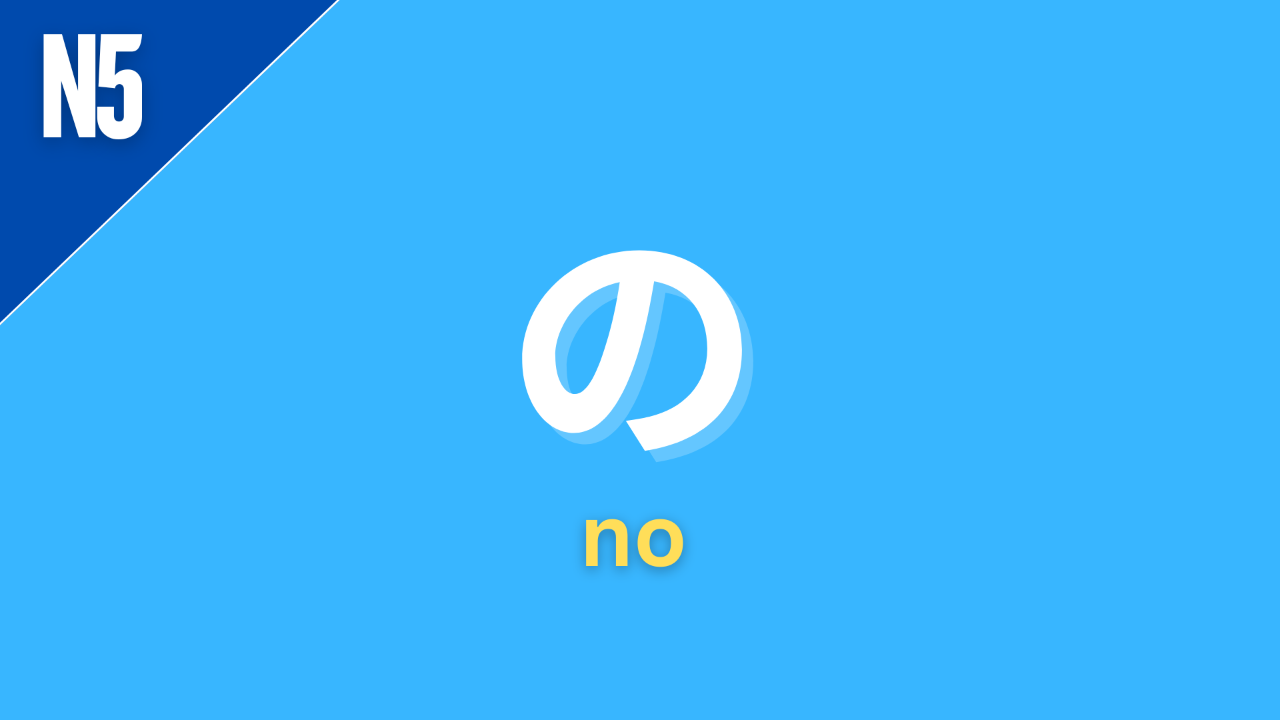
What does the particle の (no) mean?
の (no) connects two nouns. It works like “‘s” or “of” in English:
- Possession: 私の本 (my book) / 友達の家 (my friend’s house)
- Describing a noun: 日本語の先生 (a Japanese teacher) / 東京の大学 (a university in Tokyo)
- Linking...

What does the particle と (to) mean?
と (to) has two main uses at the JLPT N5 level:
- “And” (listing nouns): りんごとバナナを買いました。(I bought apples and bananas.)
- “With” (doing something together): 友達と日本に行きます。(I’m going to Japan with a friend.)
と vs や...

What does the particle が (ga) mean?
が (ga) marks the subject of a sentence, the person or thing that does the action or exists. It’s often used for new information or to emphasize “who/what”.
- Who/what exists: 犬がいます。(There is a dog.)
- Likes, wa...
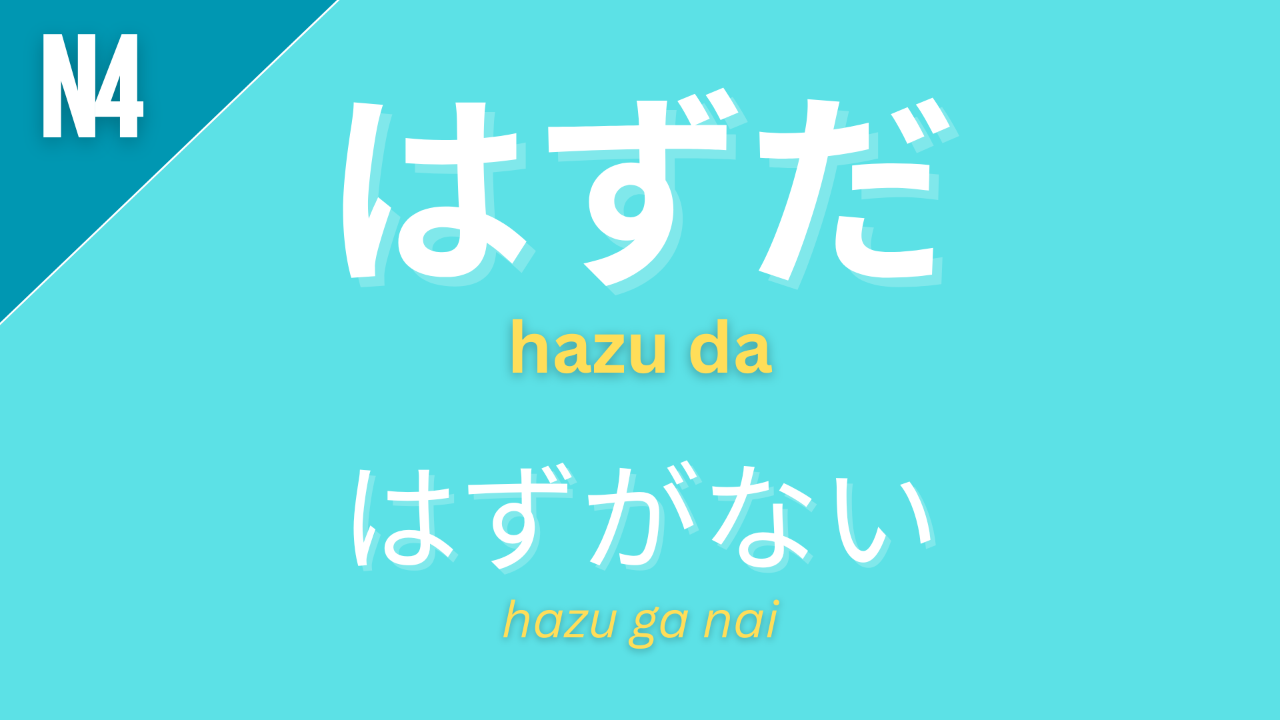
You know how Japanese people often speak kind of softly, without making strong statements?
Well sometimes you do want to sound sure, right?
Like when you’re thinking, “I’m sure that…” or “It must be true!”
Or maybe even, “No way, that can’t be right!...
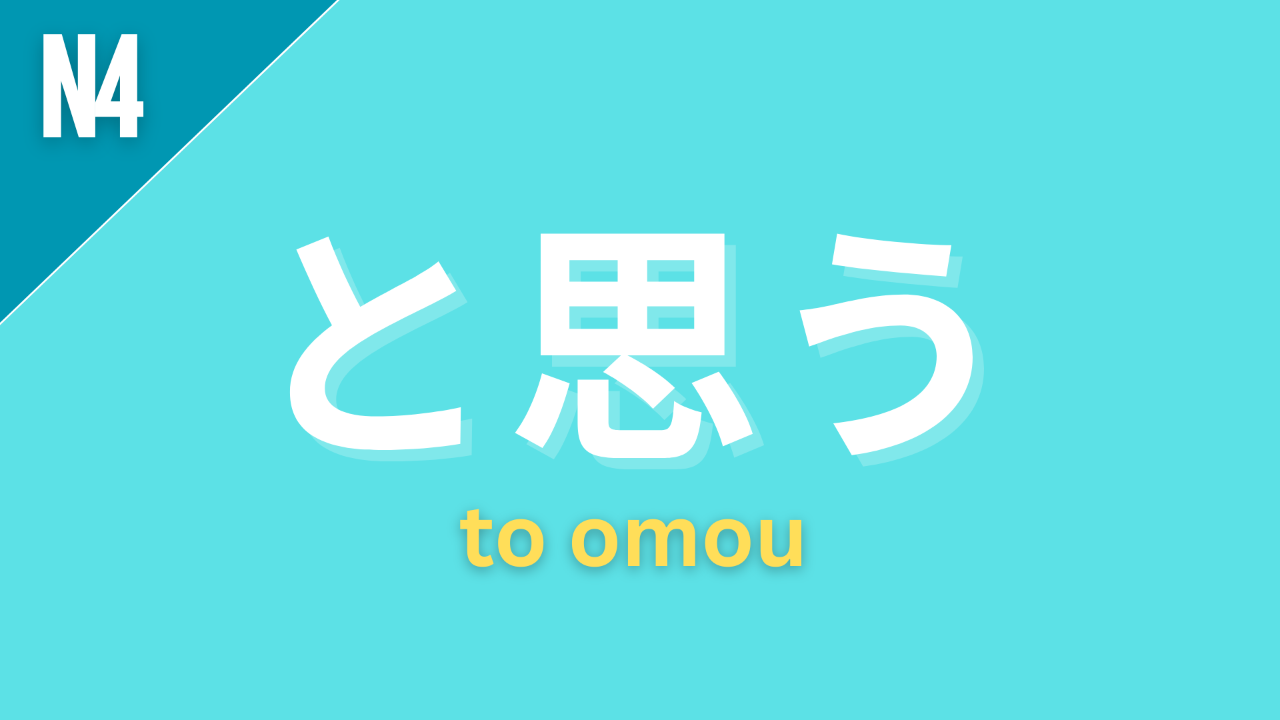
Have you ever wanted to say “I think…” in Japanese?
Like, “I think tomorrow will be sunny”, or “I don’t think this train is going to stop here”.
That’s when the super useful phrase と思う (to omou) comes in!
It’s an N4 grammar point, but you’ll hear it ...
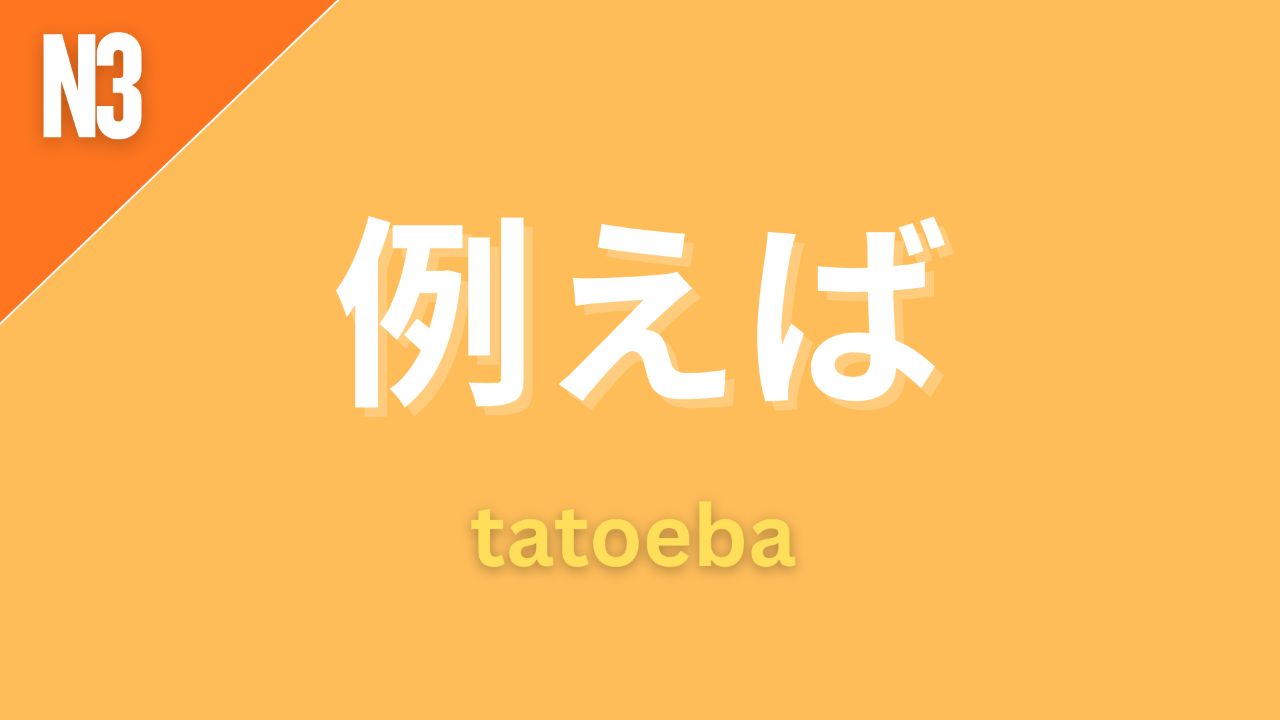
When you explain something, it’s tough to make it clear without giving examples, right?
If I had to write a blog without using “for example,” I’d be stuck… and I bet you’d agree with me!
That’s where the magic word 例えば (tatoeba) comes in.
It usually...
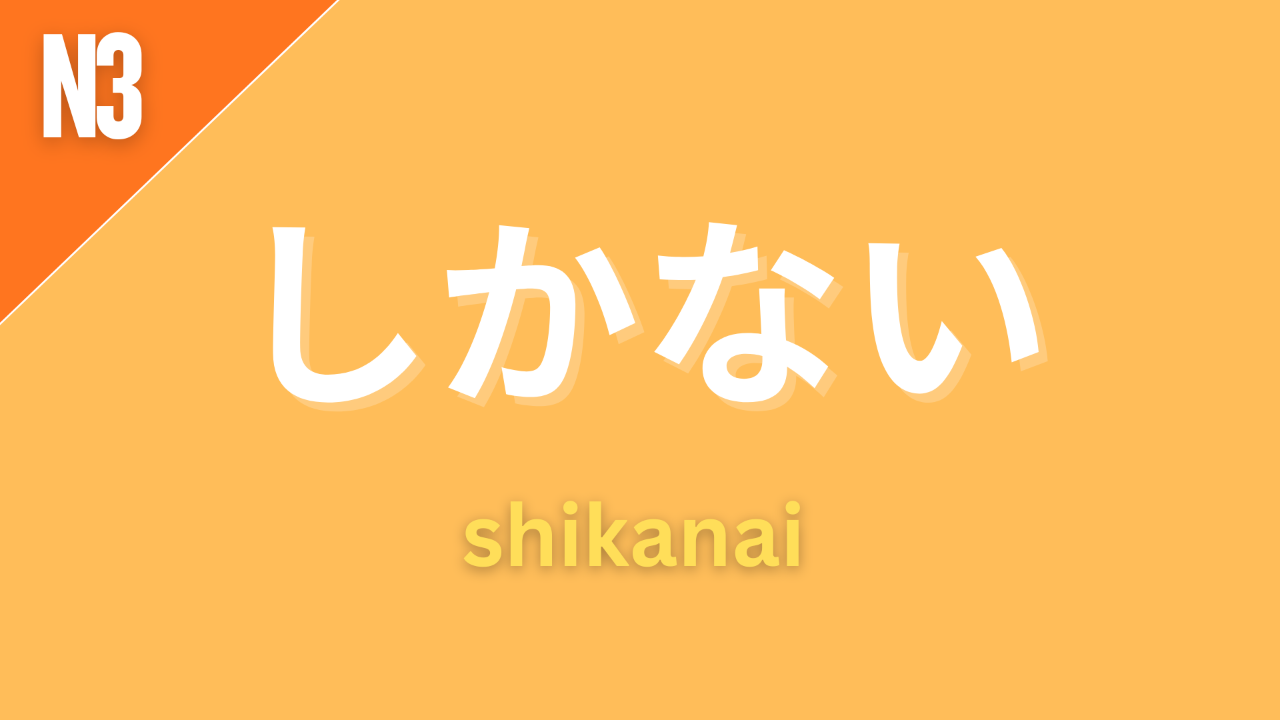
Sometimes in life, we just don’t have a choice.
Maybe your train is delayed and you have to walk.
Maybe the restaurant is full, so you can only wait in line.
Or maybe your teacher gave you homework, so… you just have to do it!
In Japanese, the perf...

There are times when you need to tell someone to act in accordance with instructions or rules.
Something like…
“Along with this plan…” or “In accordance with the rules…”
For example, “Please follow this order when placing requests,” or “In this area, ...

Have you ever wanted to express a kind of resignation, like when you already know how things will turn out, no matter what you do?
“It won’t work out anyway, even if I start now.”
“After all, she’ll just make excuses and say no, so I shouldn’t expect...

In your country’s news, do you often hear phrases like “There is a possibility that…”?
In Japanese, there’s a very similar expression: 恐れがある (osore ga aru).
The key point is that 恐れがある is used only for negative possibilities, things that might be d...

If you've ever been to Japan, you've probably noticed something pretty wild...
Vending machines are literally everywhere.
Like, on quiet streets, in the countryside, even up mountains! 🏞️🥤
So, what’s the deal? Why does Japan have more vending machines...
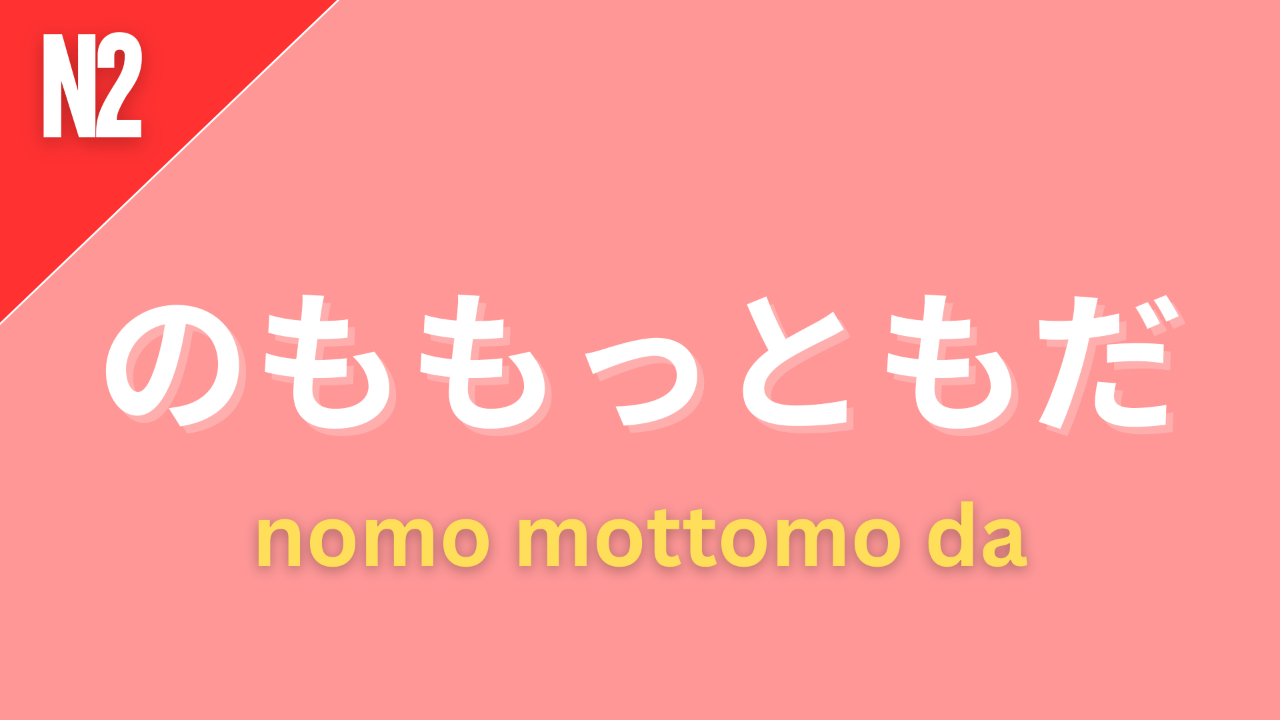
Have you ever listened to someone’s story and thought,
“Yeah, no wonder you feel that way” or “That’s only natural”?
Like…
Your friend failed an exam because they didn’t study. → “Well, it’s no wonder.”
Someone is angry because they were treated unfair...
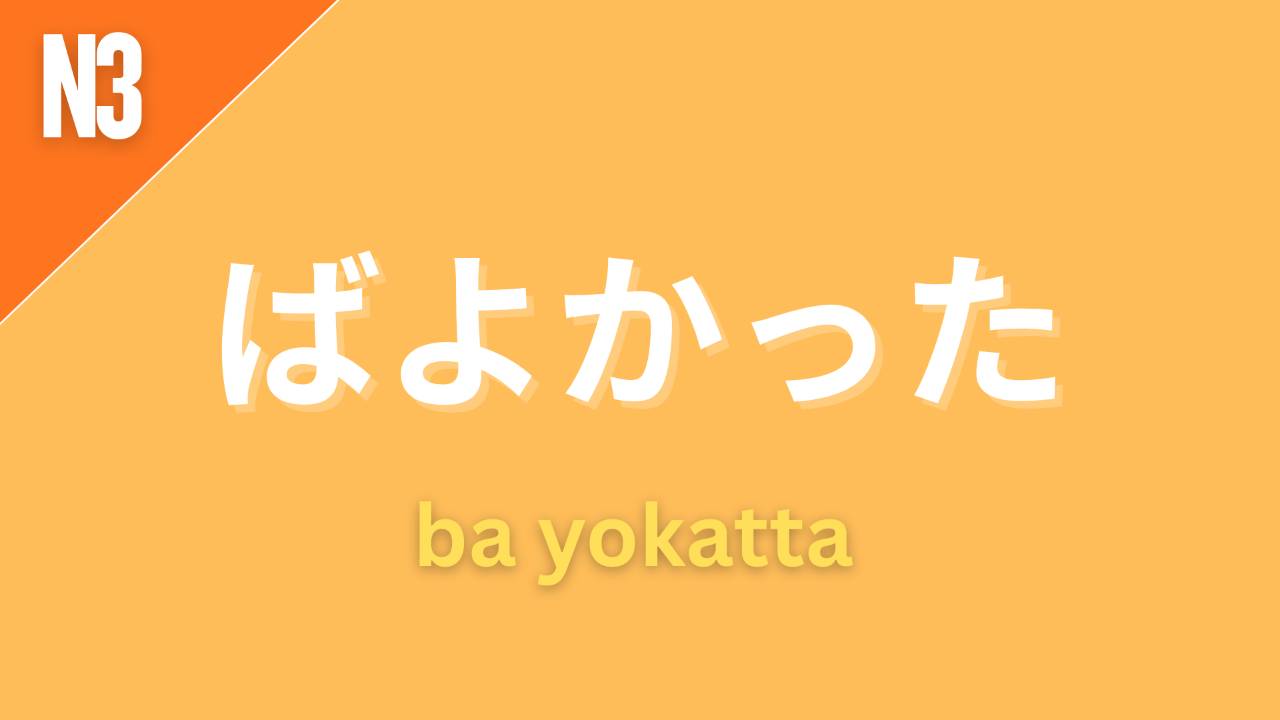
Have you ever thought, “Ahh, I should have done that…” or “It would have been better if I hadn’t done this…”?
Like when you eat too much dessert:
“I shouldn’t have had that extra cake…”
Or when you forget your passport before going on an overseas t...

When we think about “lockdowns” today, we think of the pandemic.
But did you know Japan once locked itself off from the rest of the world… for over 200 years?
This was called 鎖国 (sakoku), literally “closed country.”
And wow, did it change the course o...

If you’ve been learning Japanese for even a little while, you’ve probably bumped into this classic puzzle:
When do I use “は” (wa) and when do I use “が” (ga)? 🤔
They both mark the subject, right?
Well… yes and no! Let’s break it down, simply and clearl...
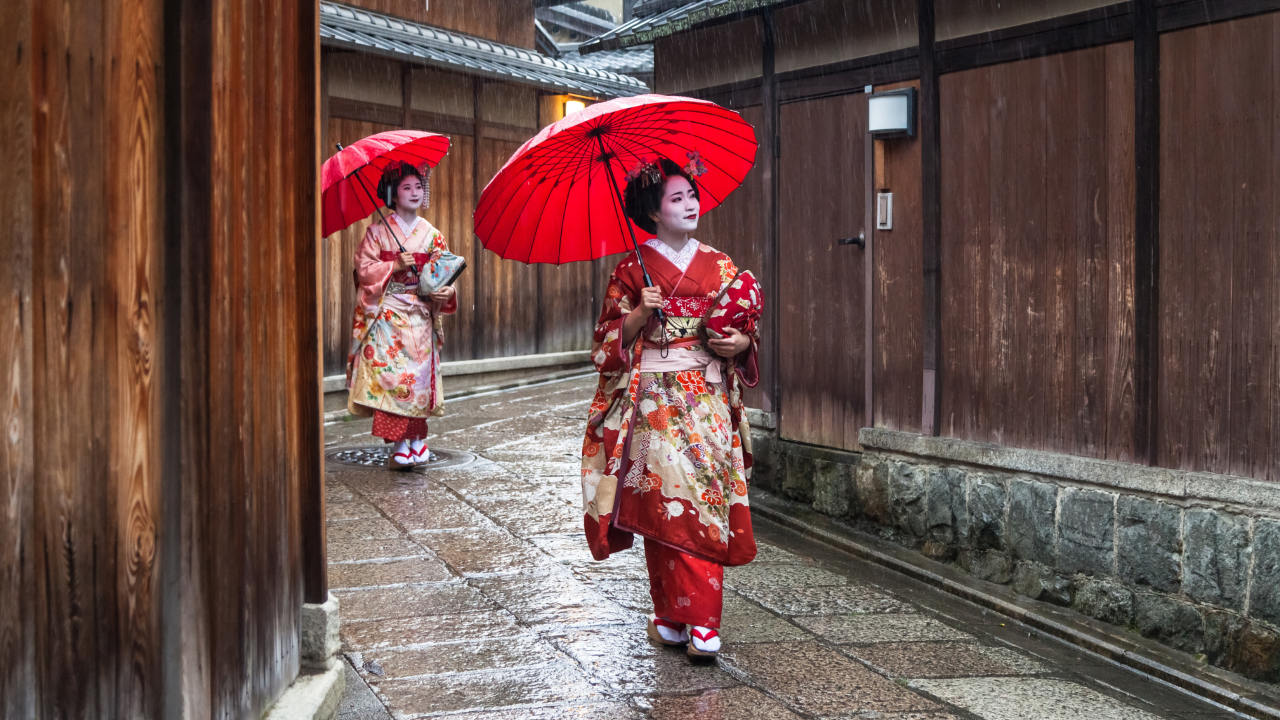
Let’s take a look into who geisha really are, where they came from, and why they’re still so loved in Japan today.
🖌️ What Does “Geisha” Mean?
The word geisha (芸者) means:
- 芸 (gei) = art or performance
- 者 (sha) = person
So, a geisha is lite...

Let’s take a look at what makes these places so unique, and why they’re such a big part of Japanese social life!
🏮 What is an Izakaya?
The word izakaya (居酒屋) breaks down like this:
- 居 (i) = to stay or sit
- 酒 (sake) = alcohol
- 屋 (ya) = shop

Did you know that Japan has a truly unique Christmas tradition? It doesn’t involve Santa hats or caroling, it’s all about crispy fried chicken from KFC!
Yep, every December, millions of families in Japan celebrate the holiday with a "party barrel" fro...

Ever been to Japan and noticed how kind, polite, and thoughtful people are?
From the warm smiles at convenience stores to the bowing taxi drivers and perfectly wrapped gifts, there’s something truly special going on. 🎁🇯🇵
That “something” is called Om...

On March 3rd, in Japan, we celebrate Hina Matsuri ひな祭り, the Doll (girls’) Festival. If you’re really into Japanese culture, you may have already known about it and even seen the colorful altars where little dolls are displayed.
Are you curious to kn...

You probably know already that Japan is obsessed with Sakura leaves (cherry blossom leaves).
You probably also know that in Spring, all of Japan is covered with beautiful Sakura trees, and we gather to see them.
But why?
I’m about to tell you why ...

Have you ever looked at something and immediately thought, “OMG, that’s so cute!”?
Well, in Japan, there’s a word for that: kawaii. But "kawaii" isn’t just about being cute, it’s a whole vibe.
Let’s dig into where it comes from, how it’s evolved, ...

Have you ever been asked, “Why do you like Japan so much?”
And you wanted to give a clear reason, something like:
“Because the food is delicious!”
“Because I like their culture!”
“Because the people are kind!”
In Japanese, when you want to clearly ...
If you asked me,
“I want to visit Japan, but where do you recommend?”
I’d probably answer something like this:
“If it’s your first trip to Japan, then Tokyo or Osaka area is the easiest to explore.”
“If it’s your second time or more, then I’...
Get Hikari's Free Tips, Tutorials and Special Offers
By submitting this form, you are agreeing to receive messages from Hikari. Your email address will NEVER be shared or sold. You are always free to easily unsubscribe or customize your email preferences at any time and a link will be provided in all communications.