JLPT N5 Grammar: が (Ga) Particle Meaning and Uses
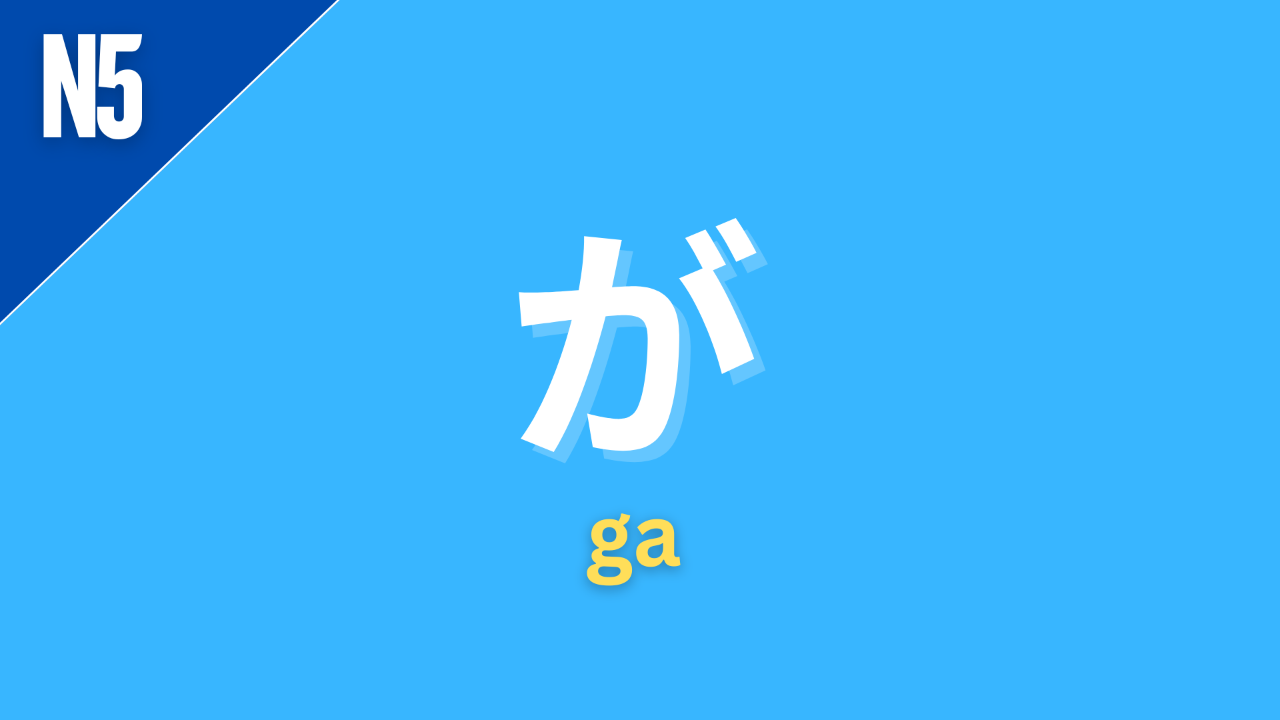
What does the particle が (ga) mean?
が (ga) marks the subject of a sentence, the person or thing that does the action or exists. It’s often used for new information or to emphasize “who/what”.
- Who/what exists: 犬がいます。(There is a dog.)
- Likes, wants, abilities: ラーメンが好きです。(I like ramen.) / 日本語ができます。(I can speak Japanese.)
- Emphasis on “who”: 私がヒカリです。(I’m the one who is Hikari.)
- “But” (connecting sentences): 高いですが、おいしいです。(It’s expensive, but delicious.)
が (ga) vs は (wa): what’s the difference?
- は (wa) marks the topic: what you’re talking about. 私はヒカリです。(As for me, I’m Hikari.)
- が (ga) marks the subject and puts the focus on it. 私がヒカリです。(I’m Hikari, not someone else.)
- Question words always take が: 誰が来ましたか。(Who came?)
The journey through Japanese particles continues, まだまだ つづくよ!
Have you ever wondered how to say “There is a dog” , “I want ramen” , or “I’m the one who is Hikari” in Japanese?
Without these expressions, it’s almost impossible to have a proper conversation, right?
That’s where the particle が (ga) comes in!
It’s one of the most important particles in Japanese, and it actually has two main roles:
As a subject marker
As a connector meaning “but / however”
We will focus on the Subject Marker part in this article.
At first, it might look similar to は (ha), but the nuance is different.
I’ll explain how to use them properly, so stick with me. Let’s dive in!

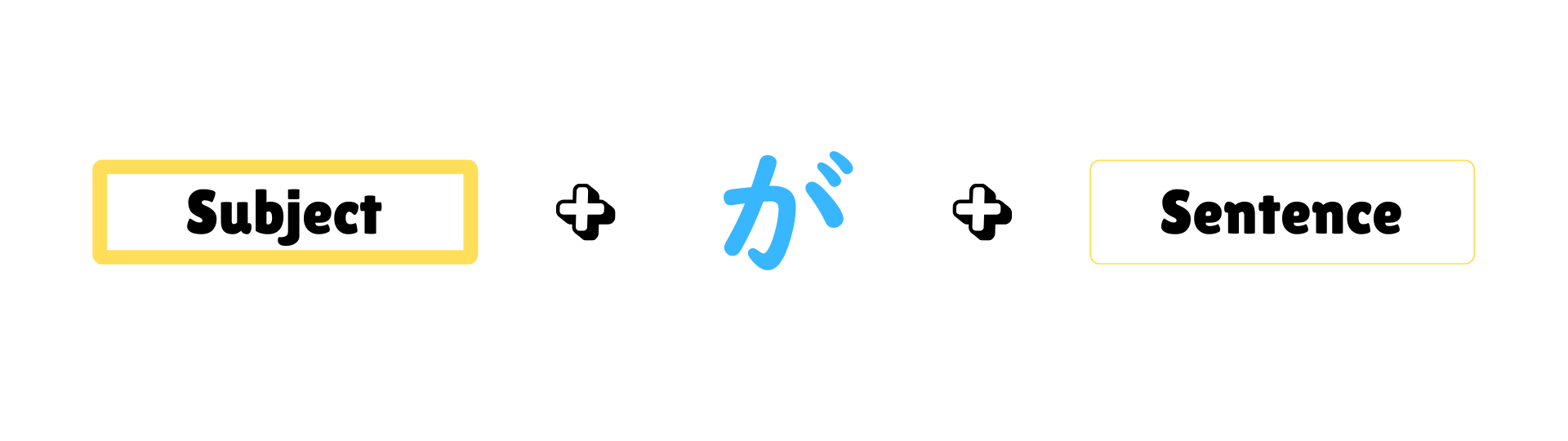

At first glance, は and が look very similar. Both can mark the subject, but the nuance is different.
は (ha) → marks the topic (focus on what comes after)
が (ga) → marks the subject (focus on what comes before)
このチケットは わたしのです。
kono chiketto ha watashi no desu.
As for this ticket, it’s mine.
>Focus is on “mine” (ownership).
このチケットが わたしのです。
kono chiketto ga watashi no desu.
This is the ticket that’s mine.
> Focus is on “this ticket” (not another one).
わたしは ひかりです。
watashi ha Hikari desu.
I’m Hikari. (neutral self-introduction)
わたしが ひかりです。
watashi ga Hikari desu.
I’m the one who is Hikari. (answering “Who is Hikari?”)

<Talking about existence>
犬がいます。
いぬがいます。
inu ga imasu.
There is a dog.
💡 It’s commonly used with the verbs あります and います in Japanese.
います is used for living things, and あります is used for objects or non-living things.
<Expressing desire>
車がほしいです。
くるまがほしいです。
kuruma ga hoshii desu.
I want a car.
💡 Often used with the word ほしい (to want something) or the ~たい form (to want to do something).
<Putting emphasis on the subject (highlights what comes before が)>
わたしが ケーキを作りました。
わたしがけーきをつくりました。
watashi ga keeki wo tsukurimashita.
I am the one who made the cake.
電車のたなの上にリュックサックがあります。
でんしゃのたなのうえにりゅっくさっくがあります。
densha no tana no ue ni ryukkusakku ga arimasu.
There is a backpack on the train rack.
日本のアニメがすきです。
にほんのあにめがすきです。
nihon no anime ga suki desu.
I like Japanese anime.
かのじょは日本語がじょうずです。
かのじょはにほんごがじょうずです。
kanojo ha nihongo ga jouzu desu.
She is good at Japanese.
日本旅行がしたいです。
にほんりょこうがしたいです。
nihon ryokou ga shitai desu.
I want to travel to Japan.
<Conversation>
A: だれが日本語をおしえますか?
だれがにほんごをおしえますか?
dare ga nihongo wo oshiemasu ka?
Who will teach Japanese?
B: ひかり先生がおしえます!
ひかりせんせいがおしえます!
Hikari sensei ga oshiemasu!
Hikari-sensei will!

- Grammar Point: が (ga)
- JLPT Level: N5
- Meaning: Subject marker
- Quick Explanation: As a subject marker. used when:
Talking about existence, Expressing desire, Putting emphasis on the subject(Highlights what comes before が)
So that’s how we use が in Japanese!
It works as both a subject marker.
わたしが あなたの日本語の先生です。
わたしがあなたのにほんごのせんせいです。
watashi ga anata no Nihongo no sensei desu.
I’m the one who is your Japanese teacher!
Now it’s your turn, try making your own sentences with が.
What exists? What do you want?
Your Sensei,
Hikari 👩🏻🏫✨
Get Hikari's JLPT Mock Exams & Preparation Lessons!
Whether you are studying to pass the JLPT or looking for a challenge in your learning journey, these courses are perfect for you!

Join my ニュースレター Newsletter 📩
You can expect an email from me once a week about Japanese culture.
Don't worry, your information will not be shared.
We hate SPAM. We will never sell your information, for any reason.