The truth about Geisha
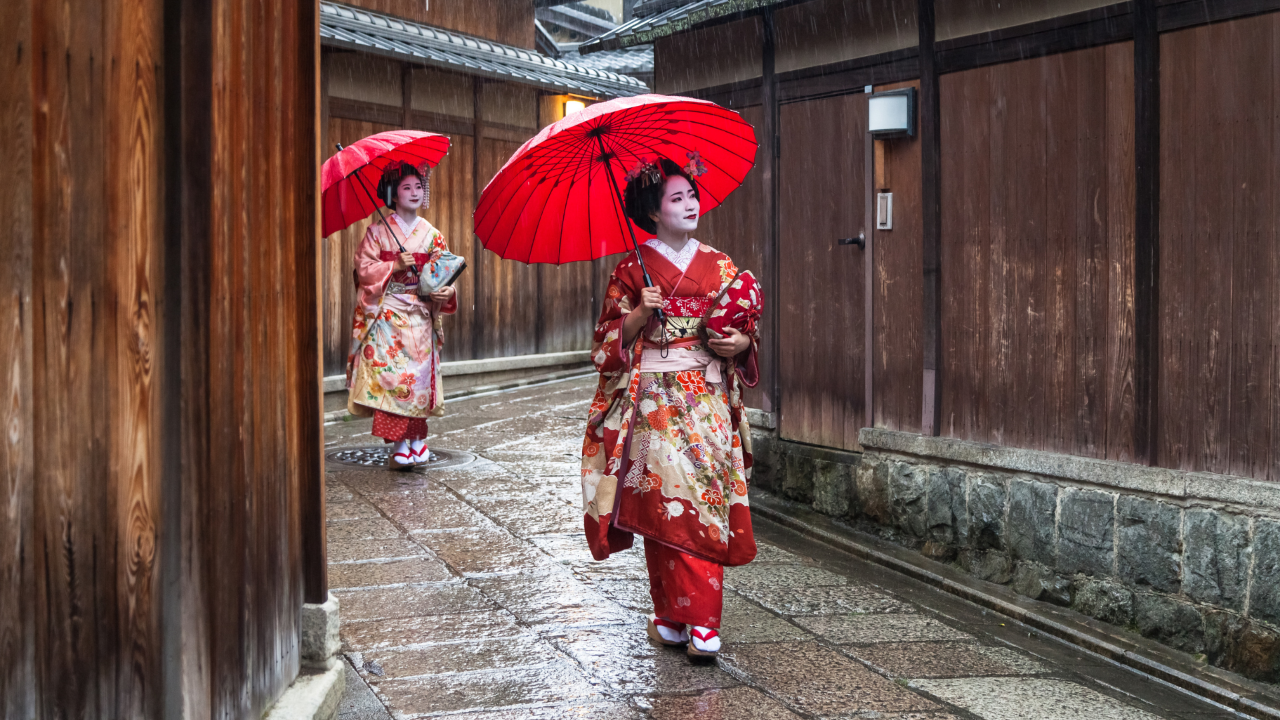
Let’s take a look into who geisha really are, where they came from, and why they’re still so loved in Japan today.
🖌️ What Does “Geisha” Mean?
The word geisha (芸者) means:
- 芸 (gei) = art or performance
- 者 (sha) = person
So, a geisha is literally an “artist”, someone trained in traditional Japanese arts like:
- Dance (舞踊 / buyō)
- Music (like shamisen, 三味線)
- Tea ceremony (茶道 / sadō)
- Calligraphy (書道 / shodō)
- Conversation and hosting
They’re experts in elegance, tradition, and entertainment. 🎶🍵
📜 A Bit of History
Geisha culture began back in the 1600s (Edo period).
Interestingly, the first geisha were actually men, who performed music and told jokes at parties.
But by the late 1700s, women took over, bringing grace, style, and refined arts into the spotlight.
By the 1800s, female geisha became the standard, and symbols of beauty and culture.
They worked in hanamachi (花街) or “flower towns,” special districts full of teahouses and performance venues.
🚫 What Geisha Are Not
Let’s clear this up once and for all:
❌ Geisha are not prostitutes.
This idea came from confusion during World War II and Hollywood movies like Memoirs of a Geisha.
But in reality, geisha are trained professionals who spend years mastering traditional arts.
Their role is to host, entertain, and create a graceful atmosphere, not anything romantic.
🏮 A Day in the Life of a Geisha
Geisha life is tough, and the training starts young!
Apprentice geisha are called maiko (舞妓), and they train in Kyoto and other traditional cities.
They:
- Learn how to dance, play shamisen, and perform tea ceremony
- Practice how to walk, bow, speak, and even laugh with elegance
- Wear heavy silk kimono, with seasonal designs and symbolic patterns
- Style their hair the traditional way, sometimes sleeping on special pillows to keep it perfect! 😳
It can take years before a maiko becomes a full geisha.
🎭 Where Can You See a Geisha Today?
Geisha still work today, mostly in places like:
- Kyoto (especially the Gion district)
- Kanazawa
- Tokyo’s Asakusa area
You might see them at ozashiki (お座敷) parties or seasonal public performances, like Miyako Odori in Kyoto, a beautiful spring dance show.
Getting invited to a private geisha party is rare (and expensive), but some teahouses offer experiences for visitors.
✨ Why It Still Matters
Geisha are living time capsules, keeping traditional Japanese arts and etiquette alive in a modern world.
They represent:
- Beauty without being flashy
- Grace without showing off
- Connection without technology
And that’s pretty special in today’s fast-paced world, right?
Your Sensei,
Hikari 👩🏻🏫
Join my ニュースレター Newsletter 📩
You can expect an email from me once a week about Japanese culture.
Don't worry, your information will not be shared.
We hate SPAM. We will never sell your information, for any reason.