JLPT N4 - Grammar 🌟 と思う toomou
Have you ever wanted to say “I think…” in Japanese?
Like, “I think tomorrow will be sunny”, or “I don’t think this train is going to stop here”.
That’s when the super useful phrase と思う (to omou) comes in!
It’s an N4 grammar point, but you’ll hear it constantly in daily life, it’s how Japanese people share their opinions, guesses, and feelings.
Now, here’s something interesting!
In English, “I think” often sounds less certain. If you keep repeating it, it can even feel like you lack confidence.
But in Japanese, と思う actually covers a wider range, from light guesses to fairly certain opinions.
And yes, Japanese people really use it all the time!
So much so that when speaking English, they speak with the Japanese feeling still in their mind, and many Japanese tend to overuse “I think.”
Sometimes people even comment, “Japanese speakers say ‘I think’ too much, they never sound decisive!”
But that just shows how natural and useful と思う is in Japanese.
Shall we dive in?


と感じる (to kanjiru) → I feel that…
Used when expressing personal feelings, impressions, or intuition rather than logical opinions.
日本の夏はとてもあついと感じます。
にほんのなつはとてもあついとかんじます。
nihon no natsu ha totemo atsui to kanjimasu.
I feel that Japanese summers are very hot.
と考えています (to kangaete imasu) → I’m considering, I think (in a thoughtful way)
Used in more formal or logical contexts, like business or academic situations.
このプロジェクトは3か月で終わると考えています。
このぷろじぇくとは3かげつでおわるとかんがえています。
kono purojekuto ha sankagetsu de owaru to kangaete imasu.
I think (consider) this project will finish in three months.
💡Extra Tip : Adjusting certainty in Japanese
In Japanese, people often adjust the level of certainty by adding words like:
多分 (tabun) → probably
おそらく (osoraku) → perhaps, likely
多分、彼は来ると思います。
たぶん、かれはくるとおもいます。
tabun, kare ha kuru to omoimasu.
I think he will probably come.
おそらく、日本が勝つと思います。
おそらく、にほんがかつとおもいます。
osoraku, Nihon ga katsu to omoimasu.
I think Japan will likely win.
This way, you can fine-tune your statement from a light guess to a stronger conviction!

これは日本の文化だと思う。
これはにほんのぶんかだとおもう。
kore ha Nihon no bunka da to omou.
I think this is Japanese culture.
これは簡単なプロジェクトだと思いません。
これはかんたんなぷろじぇくとだとおもいません。
kore ha kantan na purojekuto da to omoimasen.
I don’t think this is an easy project.
明日オフィスに行くと思います。
あしたおふぃすにいくとおもいます。
ashita ofisu ni iku to omoimasu.
I think I’ll go to the office tomorrow.
このお店のケーキはおいしいと思う。
このおみせのけーきはおいしいとおもう。
kono omise no keeki ha oishii to omou.
I think the cake at this shop is delicious.
あの新作映画、とてもいいと思います!
あのしんさくえいが、とてもいいとおもいます!
ano shinsaku eiga, totemo ii to omoimasu!
I think that new movie is really good!
あの先生は、やさしいと思うよ。
あのせんせいはやさしいとおもうよ。
ano sensei ha yasashii to omou yo.
I think that teacher is kind.
図書館はしずかだと思います。
としょかんはしずかだとおもいます。
toshokan ha shizuka da to omoimasu.
I think the library is quiet.
あ!たしかこの抹茶ケーキ、京都で有名だと思う!
あ!たしかこのまっちゃけーき、きょうとでゆうめいだとおもう!
a! Tashika kono maccha keeki, Kyoto de yuumei da to omou!
Oh! I think this matcha cake is famous in Kyoto.
A: 来週のテスト、かんたんだと思う?
らいしゅうのてすと、かんたんだとおもう?
raishuu no tesuto ha kantan da to omou?
Do you think next week’s test will be easy?
B: うーん、範囲が広いし、ちゃんと勉強しないとむずかしいと思うよ。
うーん、はんいがひろいし、ちゃんとべんきょうしないとむずかしいとおもうよ。
uun, han’i ga hiroi shi, chanto benkyou shinai to muzukashii to omou yo.
Hmm, the range is wide, so if we don’t study properly, I think it’ll be difficult.

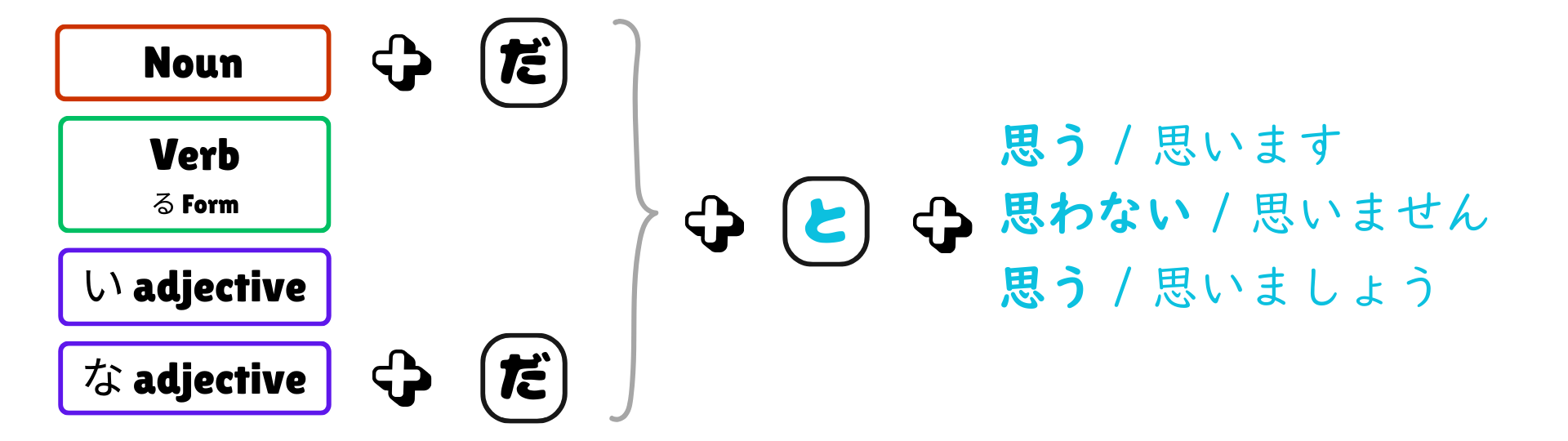
- Grammar Point: と思う (to omou)
- JLPT Level: N4
- Meaning: To think, I think Used to express your thoughts, opinions, or what you believe to be true.
- Quick Explanation: Attach と思う to the end of a phrase to show “I think ~.”
It can be used in affirmative or negative forms:
と思います (formal polite)
と思う (casual)
と思いません (formal negative)
と思わない (casual negative)
So that’s how we use と思う (to omou) in Japanese!
It’s your go-to phrase for sharing opinions and thoughts, whether serious, casual, or funny.
わたしは、習ったことはできるだけ早くアウトプットするのがいいと思います!
わたしは、ならったことはできるだけはやくあうとぷっとするのがいいとおもいます!
watashi ha, naratta koto ha dekiru dake hayaku autopputo suru no ga ii to omoimasu!
I think it’s best to output what you’ve learned as soon as possible!
Now it’s your turn, try making your own “I think ~” sentences.
What do you think about Japan, Japanese food, or learning Japanese?
Your Sensei,
Hikari 👩🏻🏫
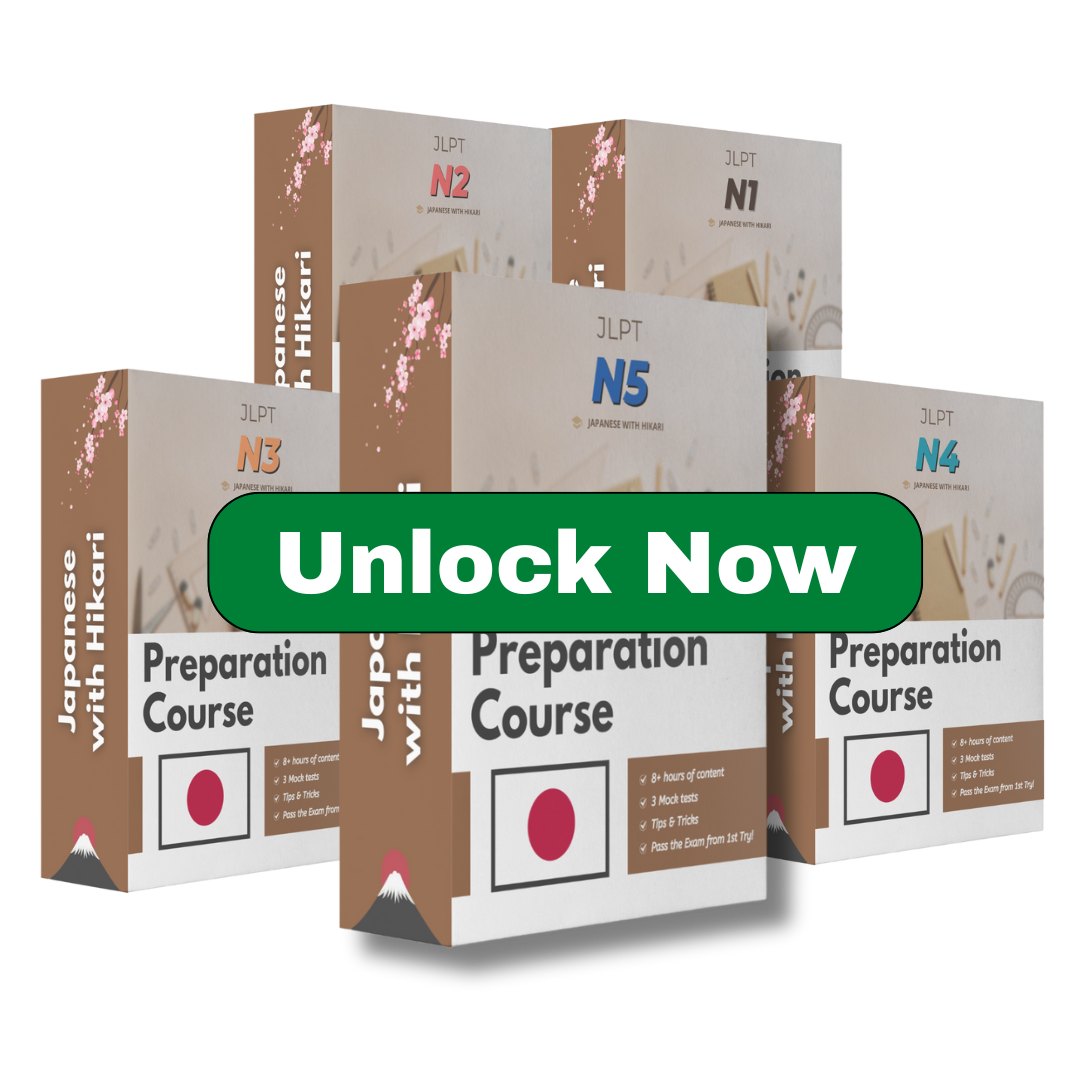
Get Hikari's JLPT Mock Exams & Preparation Lessons!
Whether you are studying to pass the JLPT or looking for a challenge in your learning journey, these courses are perfect for you!
Join my ニュースレター Newsletter 📩
You can expect an email from me once a week about Japanese culture.
Don't worry, your information will not be shared.
We hate SPAM. We will never sell your information, for any reason.