JLPT N5 - Grammar 🌟 の no (particle)
The Japanese particle series continues!
Have you ever wanted to say “my favorite book” or “my friend’s house” in Japanese?
Well, the magic word you need is の (no)!
It’s tiny, but super powerful, it shows possession, like “’s” in English.
And the fun part? You can stack の to add more details, like building a little train of nouns.
Let’s dive in!


だけの (dake no) → “only”, limited to
わたしだけのひみつ。
watashi dake no himitsu.
A secret only for me.
💡 Nuance Difference between わたしのひみつ vs わたしだけのひみつ
わたしのひみつ
It simply means the secret belongs to me. It could be something others also know, but it’s still my secret.
わたしだけのひみつ
This adds exclusivity. It’s not just mine, it’s mine alone, something no one else knows or shares.

ひかり先生の 本。
ひかりせんせいのほん。
Hikari sensei no hon.
Hikari-sensei’s book.
わたしの名前 は ひかりです。
わたしのなまえはひかりです。
watashi no namae ha Hikari desu.
My name is Hikari.
これは 私のスーツケースです。
これはわたしのすーつけーすです。
kore ha watashi no suutsukeesu desu.
This is my suitcase.
あなたの名前は なんですか?
あなたのなまえはなんですか?
anata no namae ha nan desu ka?
What is your name?
日本 のどのエリア に あそびに行きたい?
にほんのどのえりあにあそびにいきたい?
nihon no dono aria ni asobi ni ikitai?
Which area of Japan do you want to visit?
あの建物の10かいの 南のへや に、 友だち が すんでる。
あのたてものの10かいのみなみのへやに、ともだちがすんでる。
ano tatemono no jukkai no minami no heya ni, tomodachi ga sunderu.
My friend lives in the south-side room on the 10th floor of that building.
<Conversation>
A: これ、 誰のスマホ?
これ、だれのすまほ?
kore ha dare no sumaho?
Whose smartphone is this?
B: あ!それ、私の。
あ!それ、わたしの。
a! sore ha watashi no.
Oh! That’s mine.
💡 Tip: You can chain multiple の to add more detail!
かれの家のリビングルームのかべのポスターは、私があげたものだ。
かれのいえのりびんぐるーむのかべのぽすたーは、わたしがあげたものだ。
kare no ie no ribingu ruumu no kabe no posutaa ha, watashi ga ageta mono da.
The poster on the wall of his living room is the one I gave him.

- Grammar Point: の (no)
- JLPT Level: N5
- Meaning: Of, ’s (shows possession or relationship)
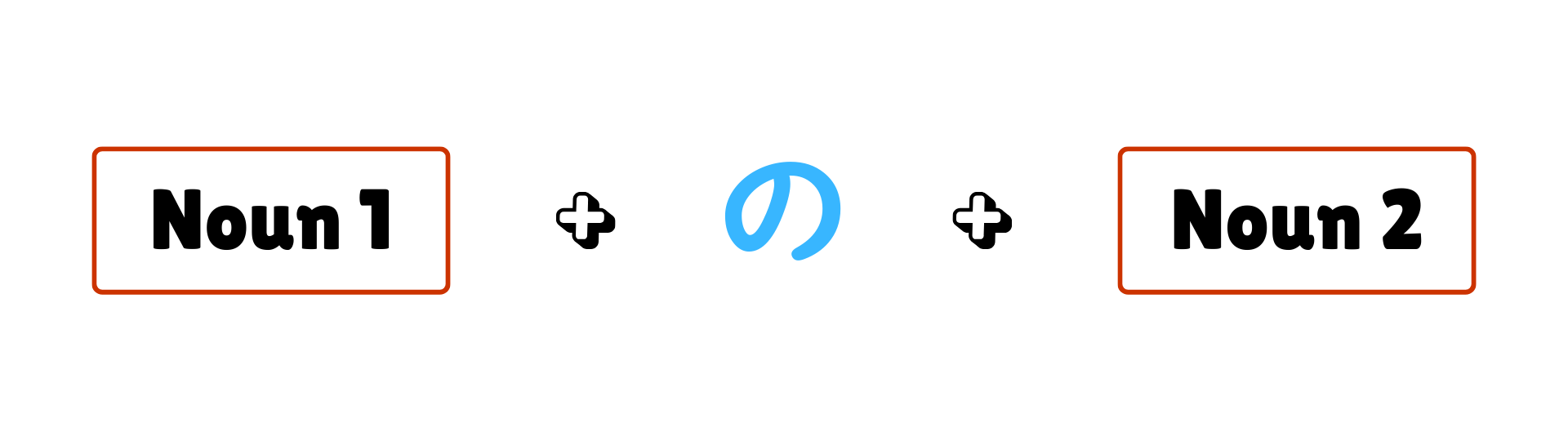
- Quick Explanation: の connects two nouns. The first noun describes or owns the second noun.
Think of it as a simple “A の B = B of A.”
So that’s how we use の in Japanese!
It’s simple but incredibly useful, you’ll use it every day when talking about relationships, ownership, or even describing things.
わたしが好きなことは、みんなとたのしく日本語の勉強をすること!
わたしがすきなことは、みんなとたのしくにほんごのべんきょうをすること!
watashi ga suki na koto ha, minna to tanoshiku Nihongo no benkyou wo suru koto!
My favorite thing is studying Japanese together with all of you in a fun way!
Now it’s your turn, try making your own “A の B” sentences! For example: your dream, your favorite singer’s song, your country’s food, or… your Japanese sensei....
Your Sensei,
Hikari 👩🏻🏫✨
Get Hikari's JLPT Mock Exams & Preparation Lessons!
Whether you are studying to pass the JLPT or looking for a challenge in your learning journey, these courses are perfect for you!
Join my ニュースレター Newsletter 📩
You can expect an email from me once a week about Japanese culture.
Don't worry, your information will not be shared.
We hate SPAM. We will never sell your information, for any reason.