JLPT N4 - Grammar 🌟 ていただけませんか te itadakemasen ka

Imagine you’re in Japan and you want to take a photo at a beautiful shrine.
You see someone nearby and want to ask politely, not too direct, not too casual.
That’s when you use ていただけませんか(te itadakemasen ka), one of the most polite ways to say “Could you please…?” in Japanese.
It’s perfect for when you need help from someone you don’t know well, like asking,
“Could you please take a picture for me?” or “Could you please tell me how to get to the station?”
This phrase shows genuine respect and thoughtfulness, making your request sound soft, kind, and considerate.
If you learn to use it well, you’ll leave a great impression wherever you go in Japan!
Shall we learn how to use it naturally?

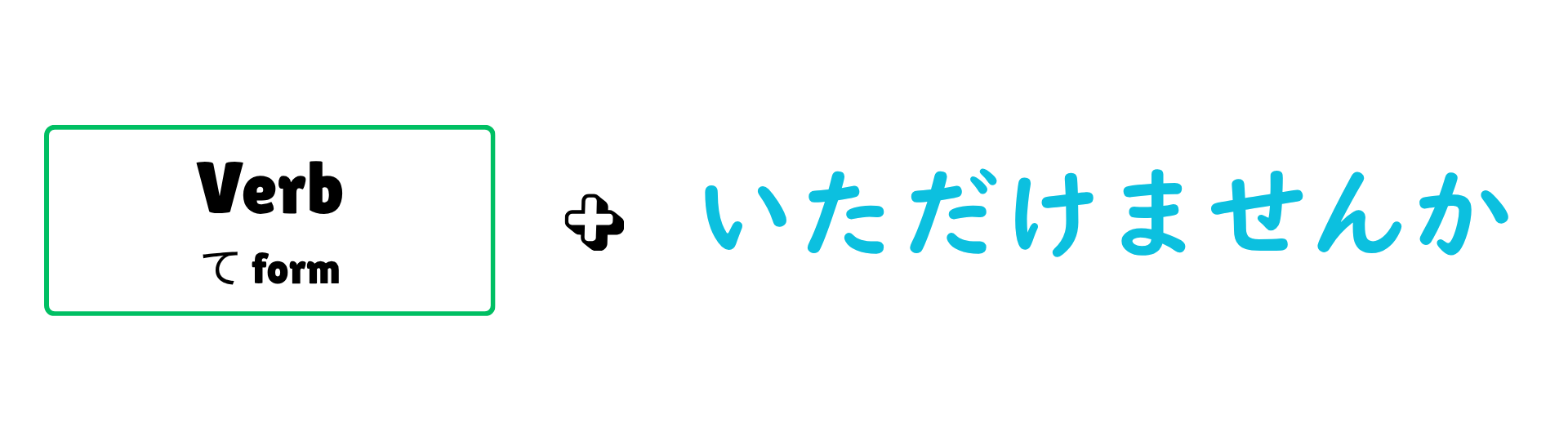

てくれない? (te kurenai?) vs てもらえますか(te moraemasu ka) vs ていただけませんか(te itadakemasen ka)
These three expressions all mean “Could you do something for me?”, but the difference lies in how polite or formal the request is.
てくれない?te kurenai? (casual)
Used with friends, family, or people close to you.
It’s friendly and relaxed, like saying “Hey, can you…?”
写真を撮ってくれない?
しゃしん を とって くれない?
shashin wo totte kurenai?
Can you take a picture (for me)?
てもらえますか te moraemasu ka (neutral polite)
Used in most polite daily situations, like with coworkers or acquaintances.
It’s respectful but still friendly.
写真を撮ってもらえますか。
しゃしん を とって もらえます か。
shashin wo totte moraemasu ka.
Could you take a picture (for me)?
ていただけませんか te itadakemasen ka (formal polite)
The most polite and respectful form.
Used with customers, clients, teachers, or strangers, in business or formal settings.
写真を撮っていただけませんか。
しゃしん を とって いただけません か。
shashin wo totte itadakemasen ka.
Could you please take a picture?
💡 Quick Tip:
てくれない? (te kurenai?) with close friends,
てもらえますか (te moraemasu ka) for everyday politeness, and
ていただけませんか (te itadakemasen ka) when you want to sound professional and considerate.

この書類を確認していただけませんか?
この しょるい を かくにん して いただけません か?
kono shorui wo kakunin shite itadakemasen ka?
Could you please check this document?
もう一度説明していただけませんか?
もう いちど せつめい して いただけません か?
mou ichido setsumei shite itadakemasen ka?
Could you please explain that one more time?
部屋を変えていただけませんか?
へや を かえて いただけません か?
heya wo kaete itadakemasen ka?
Could you please change my room?
荷物をここに置かせていただけませんか?
にもつ を ここ に おかせて いただけません か?
nimotsu wo koko ni okasete itadakemasen ka?
Could you please let me leave my luggage here?
推薦状を書いていただけませんか?
すいせんじょう を かいて いただけません か?
suisenjou wo kaite itadakemasen ka?
Could you please write me a letter of recommendation?

- Grammar Point: ていただけませんか (te itadakemasen ka)
- JLPT Level: N4
- Meaning: Could you please ~ (polite request)
- Quick Explanation: Use ていただけませんか when you want to make a polite and respectful request.
It’s the most formal way to ask someone to do something, perfect for business, travel, or any situation where you want to sound considerate and professional.
So that’s how we use ていただけませんか!
It’s one of the most useful expressions for polite communication in Japanese, mastering it will help you sound confident and kind at the same time.
There are many polite expressions in Japanese, but don’t worry, you don’t have to learn them all at once. Just take it step by step, and you’ll get there!
Now it’s your turn! Try making your own sentences with ていただけませんか and practice your polite requests!
Your Sensei,
Hikari 👩🏻🏫
Get Hikari's JLPT Mock Exams & Preparation Lessons!
Whether you are studying to pass the JLPT or looking for a challenge in your learning journey, these courses are perfect for you!
Join my ニュースレター Newsletter 📩
You can expect an email from me once a week about Japanese culture.
Don't worry, your information will not be shared.
We hate SPAM. We will never sell your information, for any reason.