JLPT N3 - Grammar 🌟 がち gachi
Do you ever catch yourself doing the same little bad habits over and over again?
Like forgetting your keys (again!), showing up just a bit late, or catching colds whenever the weather changes?
In Japanese, there’s a perfect word for those “oops, I did it again” moments, がち (gachi).
It’s an N3 grammar point that means “tend to,” “often,” or “prone to,” and it’s usually used for things that happen a lot… but not necessarily in a good way.
It’s often used when talking about patterns, habits, or situations that occur repeatedly, especially the ones you wish you could fix!
Let’s explore how to use がち and laugh a little at our own “human tendencies” together!

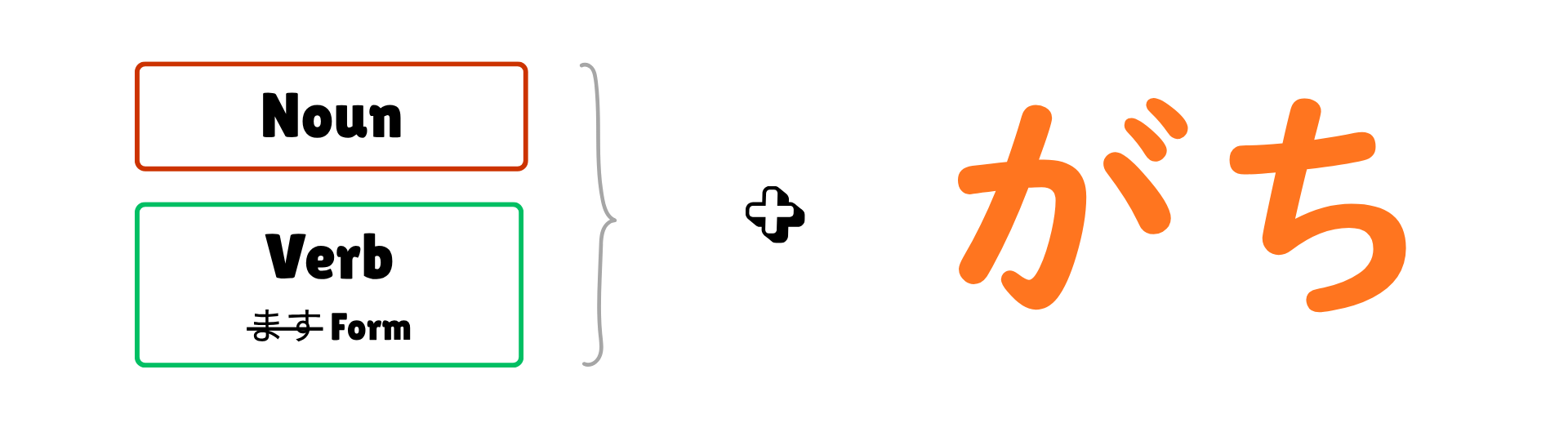

やすい (yasui) vs がち (gachi)
Both 〜やすい and 〜がち describe tendencies, but they express slightly different nuances.
やすい (yasui) focuses on how easily something happens, it’s generally neutral.
がち (gachi) focuses on how often something (usually negative) happens, it suggests habit or repetition.
Examples:
このコップは割れやすいです。
この こっぷ は われやすい です。
kono koppu ha wareyasui desu.
This glass breaks easily. (neutral / about ease)
彼は約束を忘れがちです。
かれ は やくそく を わすれがち です。
kare ha yakusoku wo wasuregachi desu.
He tends to forget his promises. (habitual / negative tone)


最近は曇りがちですっきりしない天気の日が多い。
さいきん は くもりがち で すっきり しない てんき の ひ が おおい。
saikin ha kumorigachi de sukkiri shinai tenki no hi ga ooi.
Recently, there have been many days with cloudy, gloomy weather.
高齢の両親は、ここ数年病気がちだ。
こうれい の りょうしん は、ここ すうねん びょうき がち だ。
kourei no ryoushin ha, koko suunen byouki gachi da.
My elderly parents have tended to be sick over the past few years.
慣れない環境に行くと、便秘がちです。
なれない かんきょう に いく と、べんぴ がち です。
narenai kankyou ni iku to, benpi igachi desu.
When I go somewhere new, I tend to get constipated.
疲れて帰った日はメイクも落とさず寝がちだ。
つかれて かえった ひ は めいく も おとさず ねがち だ。
tsukarete kaetta hi ha meiku mo otosazu negachi da.
On days when I come home tired, I tend to fall asleep without removing my makeup.
大丈夫、気にしないで。この業務ではありがちなミスなんだ。
だいじょうぶ、きにしないで。この ぎょうむ では ありがち な みす なんだ。
daijoubu, kinishinaide. kono gyoumu de ha arigachi na misu nanda.
It’s okay, don’t worry. This kind of mistake is pretty common in this job.

- Grammar Point: がち (gachi)
- JLPT Level: N3
- Meaning: Tend to, have a tendency to, often, frequently
- Quick Explanation: がち is used to describe a habitual or repeated tendency, often with a slightly negative nuance, like forgetting things, getting sick, or being late.
So that’s how we use がち!
It’s perfect for talking about those little habits or tendencies we all have, especially when they don’t always go as planned.
疲れた日は甘いお菓子を食べがちだ。
つかれたひはあまいおかしをたべがちだ。
tsukareta hi ha amai okashi wo tabe gachi da.
On days when I’m tired, I tend to eat sweet snacks.
Now it’s your turn, try making your own sentences with がち and reflect on your own little “tendencies” in Japanese!
Your Sensei,
Hikari 👩🏻🏫
Get Hikari's JLPT Mock Exams & Preparation Lessons!
Whether you are studying to pass the JLPT or looking for a challenge in your learning journey, these courses are perfect for you!
Join my ニュースレター Newsletter 📩
You can expect an email from me once a week about Japanese culture.
Don't worry, your information will not be shared.
We hate SPAM. We will never sell your information, for any reason.