JLPT N5 - Grammar 🌟 てください tekudasai
Have you ever wanted to politely ask someone to do something in Japanese?
Not just in daily life, but especially when you visit Japan, you’ll find yourself in so many situations like… “Please wait a moment,” or “Please say it again”?
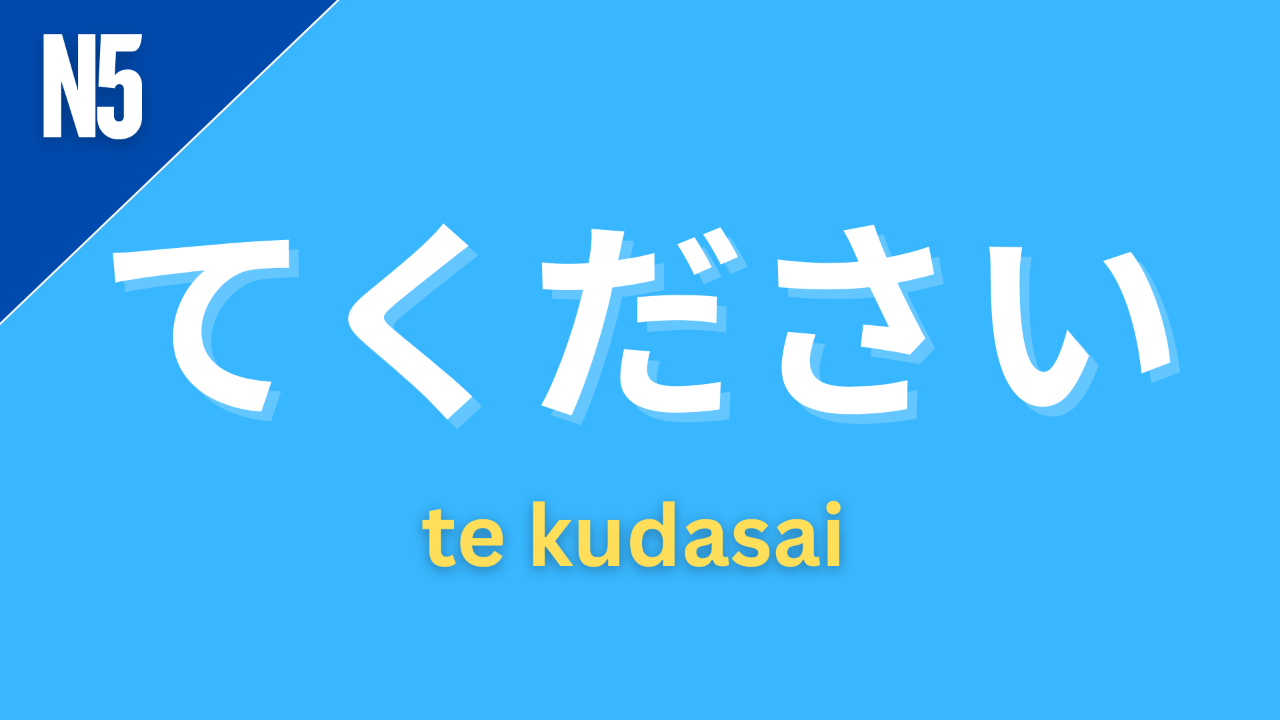
In Japanese, we use てください (te kudasai) to make a polite request.
It’s an N5 grammar point, and one of the first, and most useful, expressions you’ll learn!
But that’s not all てください isn’t used just for requests.
It’s also common when giving instructions, advice, or showing consideration for someone.
In other words, it’s a kind and gentle way to guide or ask someone to take action.
You’ll hear it everywhere, in shops, train stations, announcements, and even in anime scenes where someone says, “Please don’t go!” or “Please help me!”
Once you master てください, you’ll sound much more natural and polite in everyday Japanese conversations.
Shall we take a look? Let’s go!

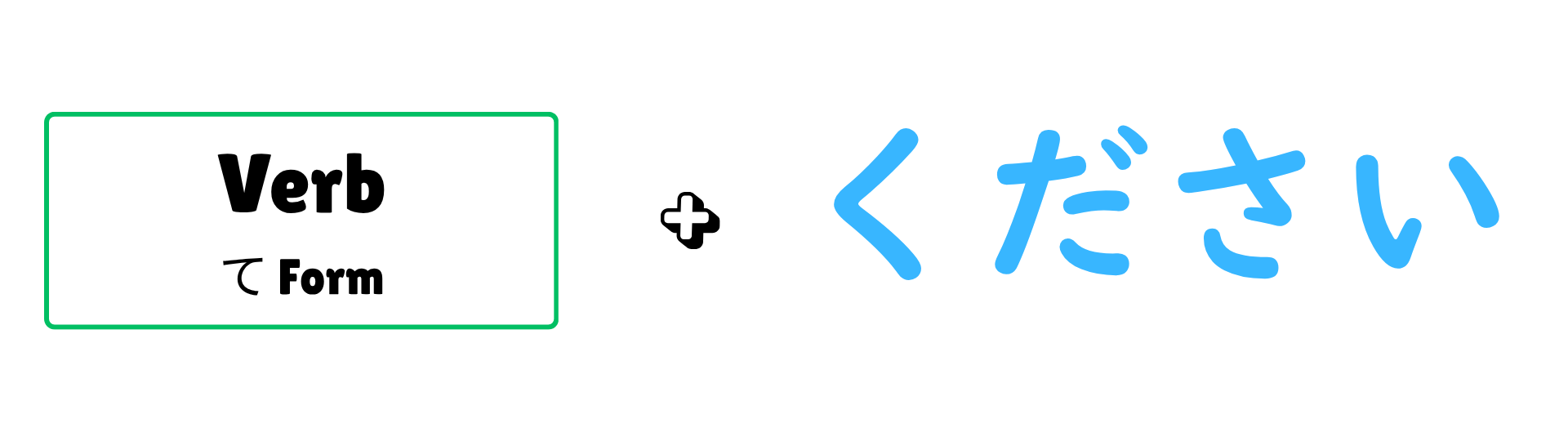

をください (wo kudasai) vs てください (te kudasai)
Both をください (wo kudasai) and てください (te kudasai) can be translated as “please,”
but their meanings, and what you’re asking for, are completely different!
をください (wo kudasai) is used when you’re asking for a thing.
てください (te kudasai) is used when you’re asking for an action.
Examples:
水をください。
みず を ください。
mizu wo kudasai.
Please give me some water. (asking for an object)
水を飲んでください。
みず を のんで ください。
mizu wo nonde kudasai.
Please drink some water. (asking for an action)

ちょっと待ってください。
ちょっと まって ください。
chotto matte kudasai.
Please wait a moment.
もう一度言ってください。
もう いちど いって ください。
mou ichido itte kudasai.
Please say it again.
日本語でなんと言うか教えてください。
にほんご で なん と いう か おしえて ください。
nihongo de nan to iu ka oshiete kudasai.
Please tell me how to say it in Japanese.
この写真を見てください。
この しゃしん を みて ください。
kono shashin wo mite kudasai.
Please look at this picture.
忘れ物をしないでください。
わすれもの を しないで ください。
wasuremono wo shinaide kudasai.
Please don’t forget your belongings.

- Grammar Point: てください (te kudasai)
- JLPT Level: N5
- Meaning: Please do (used for polite requests, instructions, advice, or consideration)
- Quick Explanation: てください is used when politely asking someone to do something.
Depending on the situation, it can express a request, instruction, encouragement, or careful consideration for the listener.
So that’s how we use てください!
It’s polite, practical, and full of kindness, a perfect phrase for expressing care while asking someone to take action.
日本語の勉強、あきらめずに続けてくださいね!
にほんご の べんきょう、あきらめず に つづけて ください ね!
nihongo no benkyou, akiramezu ni tsuzukete kudasai ne!
Please don’t give up and keep studying Japanese!
Now it’s your turn! Try making your own sentences with 〜てください and use them in real life! You could even write a little request for me, I’d love to see it!
Your Sensei,
Hikari 👩🏻🏫
Get Hikari's JLPT Mock Exams & Preparation Lessons!
Whether you are studying to pass the JLPT or looking for a challenge in your learning journey, these courses are perfect for you!
Join my ニュースレター Newsletter 📩
You can expect an email from me once a week about Japanese culture.
Don't worry, your information will not be shared.
We hate SPAM. We will never sell your information, for any reason.