JLPT N1 - Grammar 🌟 あらかじめ arakajime
Are you the type who always prepares everything perfectly in advance?
Like, you’ve already printed your tickets, packed an umbrella just in case, and even made a backup plan for your backup plan?
Or maybe you’re the opposite, omeone who thinks, “It’ll work out somehow,” and only realizes too late that you should have done something beforehand…
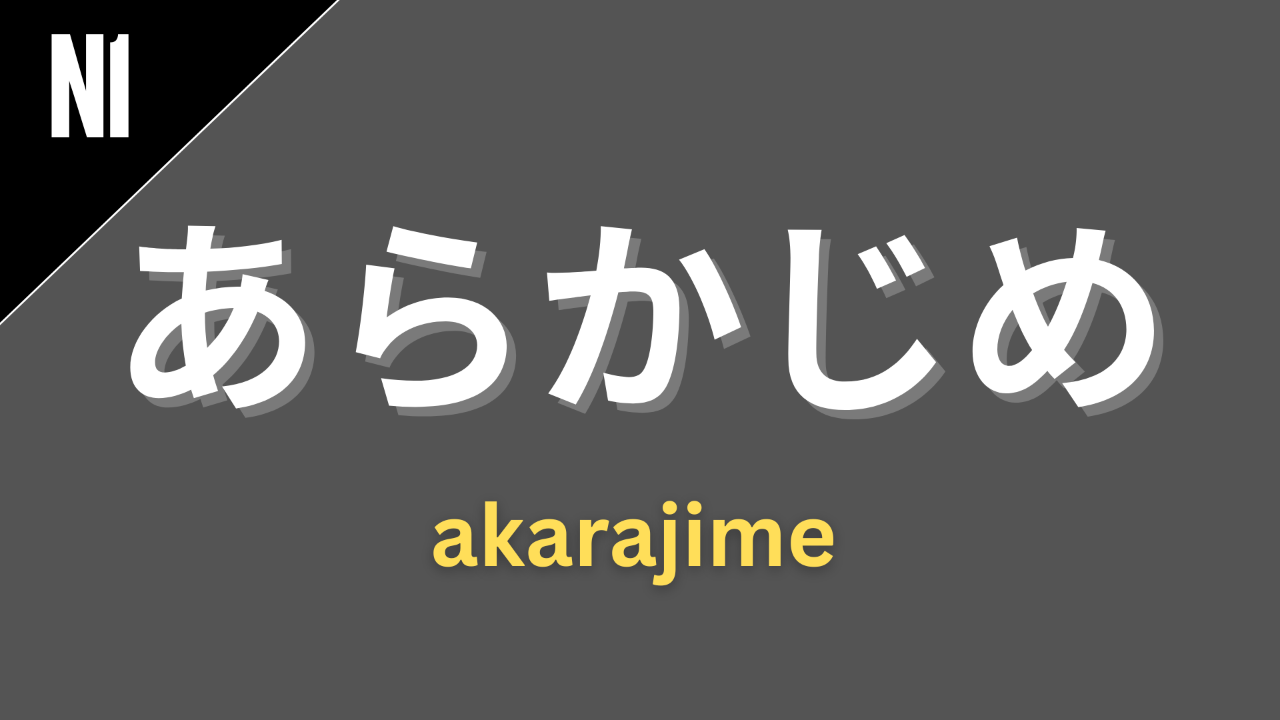
In Japanese, we have the word あらかじめ (arakajime) to mean “beforehand,” “in advance,” or “previously.”
It’s a slightly formal word, but you’ll hear it in everyday life, announcements, business situations, and even when giving polite advice.
Let’s take a closer look at how to use it.


まえもって (maemotte)
More casual, everyday way to say “in advance.”
まえもって、店の場所をしらべておきました。
まえもって、みせの ばしょを しらべておきました。
maemotte, mise no basho wo shirabete okimashita.
I checked the shop’s location in advance.
事前に (jizen ni)
Formal and often used in business or official contexts.
事前に、書類を送っていただけますか。
じぜん に、しょるい を おくって いただけますか。
jizen ni, shorui wo okutte itadakemasu ka.
Could you please send the documents beforehand?
💡 Tip:
あらかじめ → slightly formal, polite, common in announcements or written language
まえもって → natural in daily conversation
事前に → formal, businesslike

あらかじめチケットを買っておきました。並ぶのが大変だと思ったから。
あらかじめ ちけっと を かって おきました。ならぶ の が たいへん だ と おもった から。
aragajime chiketto wo katte okimashita. narabu no ga taihen da to omotta kara.
I bought the tickets in advance, because I thought lining up would be tough.
あらかじめ質問をまとめておいたおかげで、効率のいいミーティングになった。
あらかじめ しつもん を まとめて おいた おかげ で、こうりつ の いい みーてぃんぐ に なった。
aragajime shitsumon wo matomete oita okage de, kouritsu no ii miitingu ni natta.
Thanks to preparing my questions in advance, the meeting was efficient.
この時期は観光客が増えるので、あらかじめホテルを予約しておくと安心です。
この じき は かんこうきゃく が ふえる ので、あらかじめ ほてる を よやく して おく と あんしん です。
kono jiki ha kankoukyaku ga fueru node, aragajime hoteru wo yoyaku shite oku to anshin desu.
Since tourists increase during this season, it’s reassuring to book a hotel in advance.
試験を受ける前に、あらかじめ説明を読んでおいてください。
しけん を うける まえ に、あらかじめ せつめい を よんで おいて ください。
shiken wo ukeru mae ni, aragajime setsumei wo yonde oite kudasai.
Before taking the exam, please read the instructions beforehand.
あらかじめ連絡してくれれば車で迎えに行ったのに...。
あらかじめ れんらく して くれれば くるま で むかえ に いった のに...。
aragajime renraku shite kurereba kuruma de mukae ni itta noni...
If you had contacted me in advance, I would have picked you up by car…

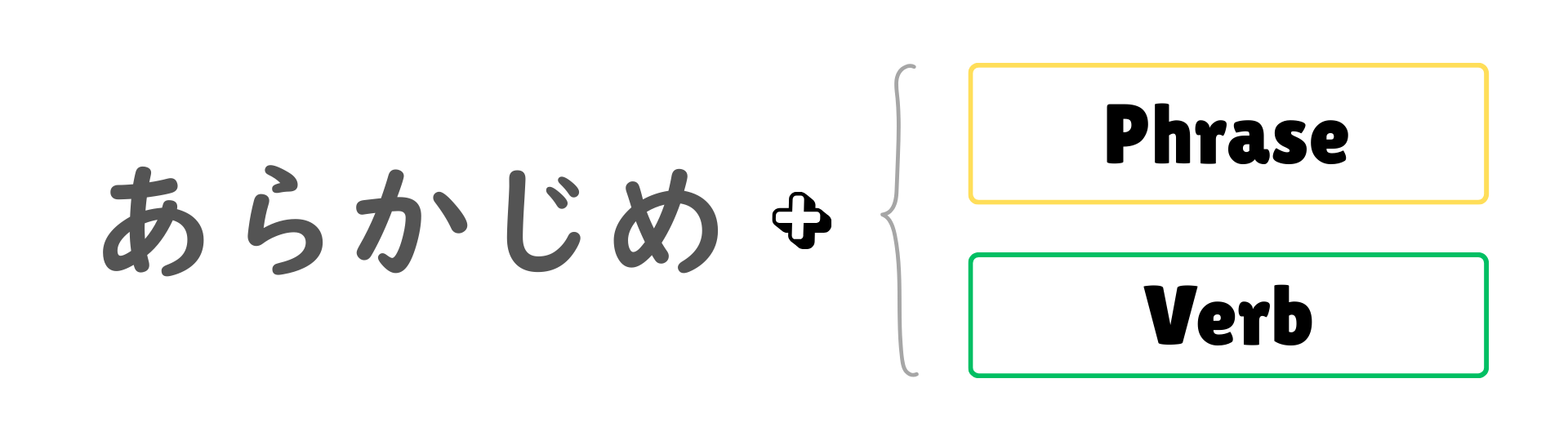
- Grammar Point: あらかじめ (arakajime)
- JLPT Level: N1
- Meaning: Beforehand, in advance, previously
- Quick Explanation: あらかじめ is a slightly formal way to say “in advance” or “beforehand.”
It’s often used with actions related to preparation, such as booking, checking, contacting, or reading instructions. Common in announcements, written language, and polite speech.
So that’s how we use あらかじめ in Japanese!
いま日本旅行を準備しているみんなへ。人気の観光スポットについては、あらかじめ下調べをすることをお勧めします!
いま にほん りょこう を じゅんび して いる みんな へ。にんき の かんこうすぽっと に ついて は、あらかじめ したしらべ を する こと を おすすめ します!
ima nihon ryokou wo junbi shite iru minna he. ninki no kankou supotto ni tsuite ha, aragajime shitashirabe wo suru koto wo osusume shimasu!
For everyone preparing for a trip to Japan: when it comes to popular tourist spots, I recommend researching in advance!
Now it’s your turn, what’s something you always prepare あらかじめ in your daily life? Try sharing your own example!
Your Sensei,
Hikari 👩🏻🏫
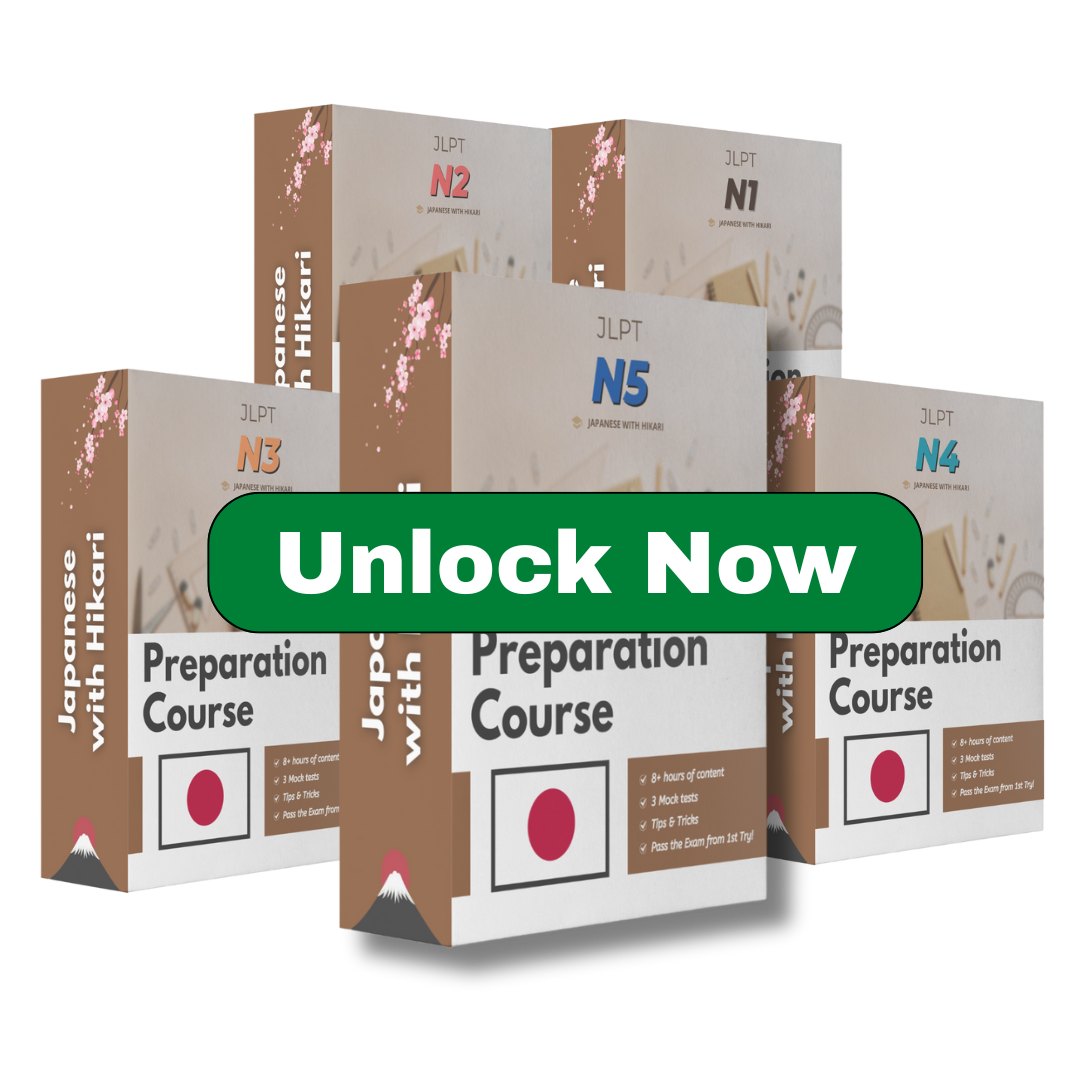
Get Hikari's JLPT Mock Exams & Preparation Lessons!
Whether you are studying to pass the JLPT or looking for a challenge in your learning journey, these courses are perfect for you!
Join my ニュースレター Newsletter 📩
You can expect an email from me once a week about Japanese culture.
Don't worry, your information will not be shared.
We hate SPAM. We will never sell your information, for any reason.