JLPT N3 - Grammar 🌟 てはじめて tehajimete

These days, we live in an information-rich world, you can look up anything online before you try it.
But still, there are so many things you only truly understand after experiencing them yourself.
For example, it”s like…
“I didn’t realize how beautiful Japan was until I visited.”
“Only after living alone did I understand how hard cooking every day is.”
And of course… “You don’t really know how strong natto smells until you actually try eating it!”
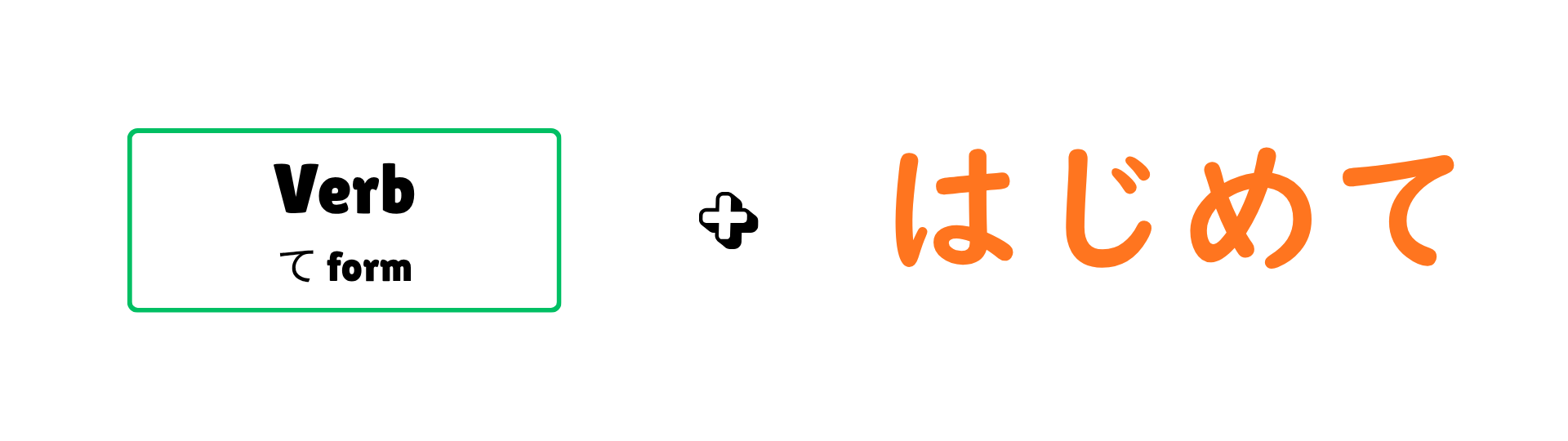
In Japanese, we use 〜てはじめて (te hajimete) to express this idea.
It means “not until, only after”, and it’s used when something new is realized, experienced, or possible for the first time after a certain action or event happens.
Shall we check it out?


〜てから (te kara)
Both 〜てから (te kara) and 〜てはじめて (~te hajimete) mark something happening after an action.
日本に来てから、寿司を食べました。
にほん に きて から、すし を たべました。
nihon ni kite kara, sushi wo tabemashita.
After coming to Japan, I ate sushi. (just happened after)
💡 Tip:
Use 〜てから (te kara) when you simply want to show the order of actions.
Use 〜てはじめて (~te hajimete) when you want to highlight a new experience or realization that wasn’t possible before.
生まれて初めて (umarete hajimete)
Means “for the first time in my life.”
It highlights that something has never happened since birth.
生まれて初めて、富士山を 見ました。
うまれて はじめて、ふじさん を みました。
umarete hajimete, fujisan wo mimashita.
I saw Mt. Fuji for the first time in my life.
💡 Tip:
Use 〜てはじめて (~te hajimete) when a specific action/event is the trigger.
Use 生まれて初めて (umarete hajimete) when you want to stress the absolute first time in your life.

一人暮らしをしてはじめて、親のありがたさが分かりました。
ひとりぐらし を して はじめて、おや の ありがたさ が わかりました。
hitorigurashi wo shite hajimete, oya no arigatasa ga wakarimashita.
Only after living alone did I realize my parents’ kindness.
指摘されてはじめて、自分の間違いに気づいた。
してき されて はじめて、じぶん の まちがい に きづいた。
shiteki sarete hajimete, jibun no machigai ni kidzuita.
Only after being pointed out did I notice my mistake.
空港までいってはじめて、パスポートを忘れたことに気づいた。
くうこう まで いって はじめて、ぱすぽーと を わすれた こと に きづいた。
kuukou made itte hajimete, pasupooto wo wasureta koto ni kidzuita.
Only after going to the airport did I realize I had forgotten my passport.
病気になってはじめて、健康の大切さに気づいた。
びょうき に なって はじめて、けんこう の たいせつさ に きづいた。
byouki ni natte hajimete, kenkou no taisetsusa ni kidzuita.
Only after getting sick did I realize the importance of health.
社会人になってはじめて、仕事の大切さを学んだ。
しゃかいじん に なって はじめて、しごと の たいせつさ を まなんだ。
shakaijin ni natte hajimete, shigoto no taisetsusa wo mananda.
Only after entering the workforce did I learn the importance of work.
リーダーになってはじめて、チームをまとめる大変さが分かった。
りーだー に なって はじめて、ちーむ を まとめる たいへんさ が わかった。
riidaa ni natte hajimete, chiimu wo matomeru taihensa ga wakatta.
Only after becoming a leader did I realize how hard it is to unite a team.

- Grammar Point: 〜てはじめて (~te hajimete)
- JLPT Level: N3
- Meaning: Not until, only after
- Quick Explanation: Use 〜てはじめて when something new is realized, experienced, or becomes possible for the first time after a certain action, event.
So that’s how we use 〜てはじめて in Japanese!
It’s the perfect phrase for expressing those “I didn’t realize until I actually experienced it” moments.
日本語の先生になってはじめて、教えるということの楽しさがわかりました。
にほんご の せんせい に なって はじめて、おしえる という こと の たのしさ が わかりました。
nihongo no sensei ni natte hajimete, oshieru to iu koto no tanoshisa ga wakarimashita.
Only after becoming a Japanese teacher did I realize the joy of teaching.
Now it’s your turn! What’s something you “only realized after” doing it? Try making your own sentence with 〜てはじめて!
Your Sensei,
Hikari 👩🏻🏫
Get Hikari's JLPT Mock Exams & Preparation Lessons!
Whether you are studying to pass the JLPT or looking for a challenge in your learning journey, these courses are perfect for you!
Join my ニュースレター Newsletter 📩
You can expect an email from me once a week about Japanese culture.
Don't worry, your information will not be shared.
We hate SPAM. We will never sell your information, for any reason.