JLPT N3 - Grammar 🌟 にしては nishiteha

Have you ever wanted to say something like:
“For a beginner, your Japanese is really good!”
“It’s pretty warm for February.”
Or even… “For a cheap ramen shop, this place is surprisingly delicious!”
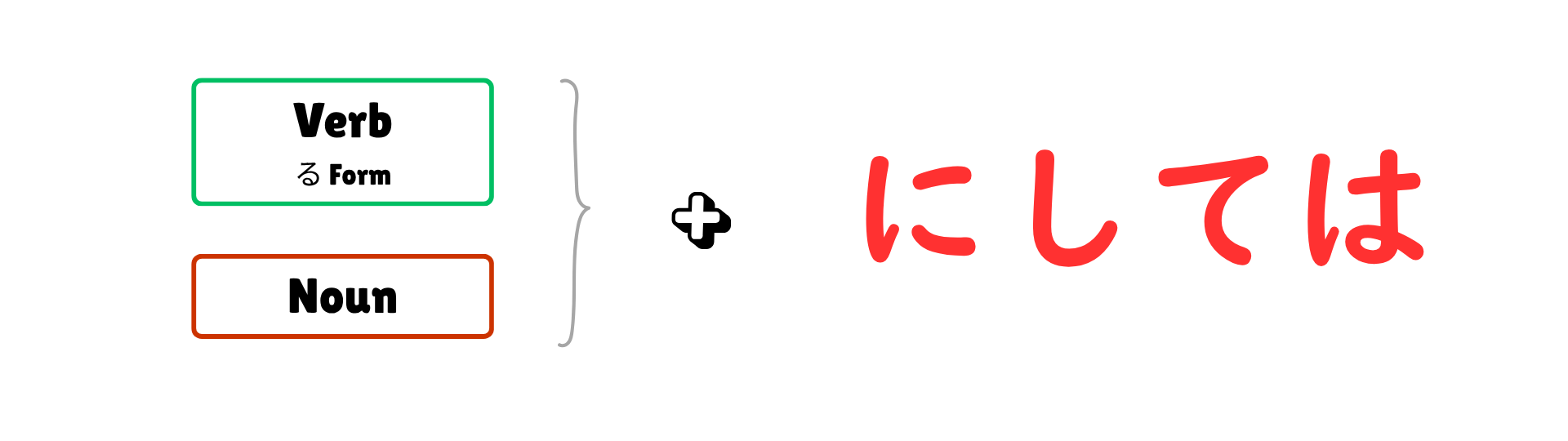
In Japanese, the phrase for this is にしては (ni shite wa).
It’s used when something is different from what you would normally expect, given the situation or standard.
In other words, you’re setting up a standard, and then saying the reality is unexpectedly different.
But be careful!
Depending on how you say it, にしては can sometimes sound a little judgmental or “looking down,” as if you’re surprised someone did better than expected. So tone and context really matter!
Shall we check it out?


〜わりに(は) (wari ni (ha))
Also expresses “unexpected compared to expectations.”
Based on a general standard or tendency, pointing out a gap between expectation and reality. Sounds more neutral and less evaluative than 〜にしては.
このレストランは安いわりに美味しい。
この れすとらん は やすい わりに おいしい。
kono resutoran ha yasui wari ni oishii.
This restaurant is good considering how cheap it is.
💡 Nuance Difference (Key Points)
Focus:
にしては (ni shite ha) → tied to a specific one-time condition (a beginner, a child, today’s weather, etc.)
わりに(は)(wari ni (ha)) → based on a broader/abstract standard (price, age, effort, etc.)
Tone:
にしては (ni shite ha) → evaluative, often with a sense of surprise or “better/worse than expected”
わりに(は)(wari ni (ha)) → highlights a discrepancy, but more matter-of-fact

初心者にしては 日本語がとても上手ですね。
しょしんしゃ にしては にほんご が とても じょうず です ね。
shoshinsha ni shite wa nihongo ga totemo jouzu desu ne.
For a beginner, your Japanese is really good.
2月にしては とても暖かいね。
にがつ にしては とても あたたかい ね。
nigatsu ni shite wa totemo atatakai ne.
It’s pretty warm for February.
ここ、小さい店にしては、品揃えが いいね。
ここ、ちいさい みせ にしては、しなぞろえ が いい ね。
koko, chiisai mise ni shite wa, shina-zoroe ga ii ne.
For a small shop, it has a good selection.
あなたにしては よくがんばりましたね。
あなた にしては よく がんばりました ね。
anata ni shite wa yoku ganbarimashita ne.
For you, that was quite an effort. (This can sound sarcastic or a bit condescending!)
前日しか 勉強しなかったにしては、テストの点数は良かった。
ぜんじつ しか べんきょう しなかった にしては、てすと の てんすう は よかった。
zenjitsu shika benkyou shinakatta ni shite wa, tesuto no tensuu ha yokatta.
Considering I only studied the day before, my test score was good.

- Grammar Point: 〜にしては (~ni shite ha)
- JLPT Level: N3
- Meaning: For, considering
- Quick Explanation: Use 〜にしては when something is different from what you’d normally expect, given a certain condition or situation. It sets up a standard, then points out a surprising or unexpected result.
⚠️ Be careful with tone!
〜にしては can sometimes sound evaluative or even a little condescending, especially when used about people. Make sure to consider context and how it might be received.
So that’s how we use 〜にしては in Japanese!
It’s perfect for pointing out things that are “better (or worse) than you’d expect, considering the situation.”
〜にしては is also a fun way to talk about yourself with humor, just like this example.
冗談が大好きな 私にしては、まじめな記事を書きましたよ!
じょうだん が だいすき な わたし にしては、まじめ な きじ を かきました よ!
joudan ga daisuki na watashi ni shite ha, majime na kiji wo kakimashita yo!
For me, who love making jokes, I actually wrote a serious blog!
Now it’s your turn! Try making your own sentence with 〜にしては!
Your Sensei,
Hikari 👩🏻🏫
Get Hikari's JLPT Mock Exams & Preparation Lessons!
Whether you are studying to pass the JLPT or looking for a challenge in your learning journey, these courses are perfect for you!
Join my ニュースレター Newsletter 📩
You can expect an email from me once a week about Japanese culture.
Don't worry, your information will not be shared.
We hate SPAM. We will never sell your information, for any reason.