How Japan celebrates its most meaningful holiday?
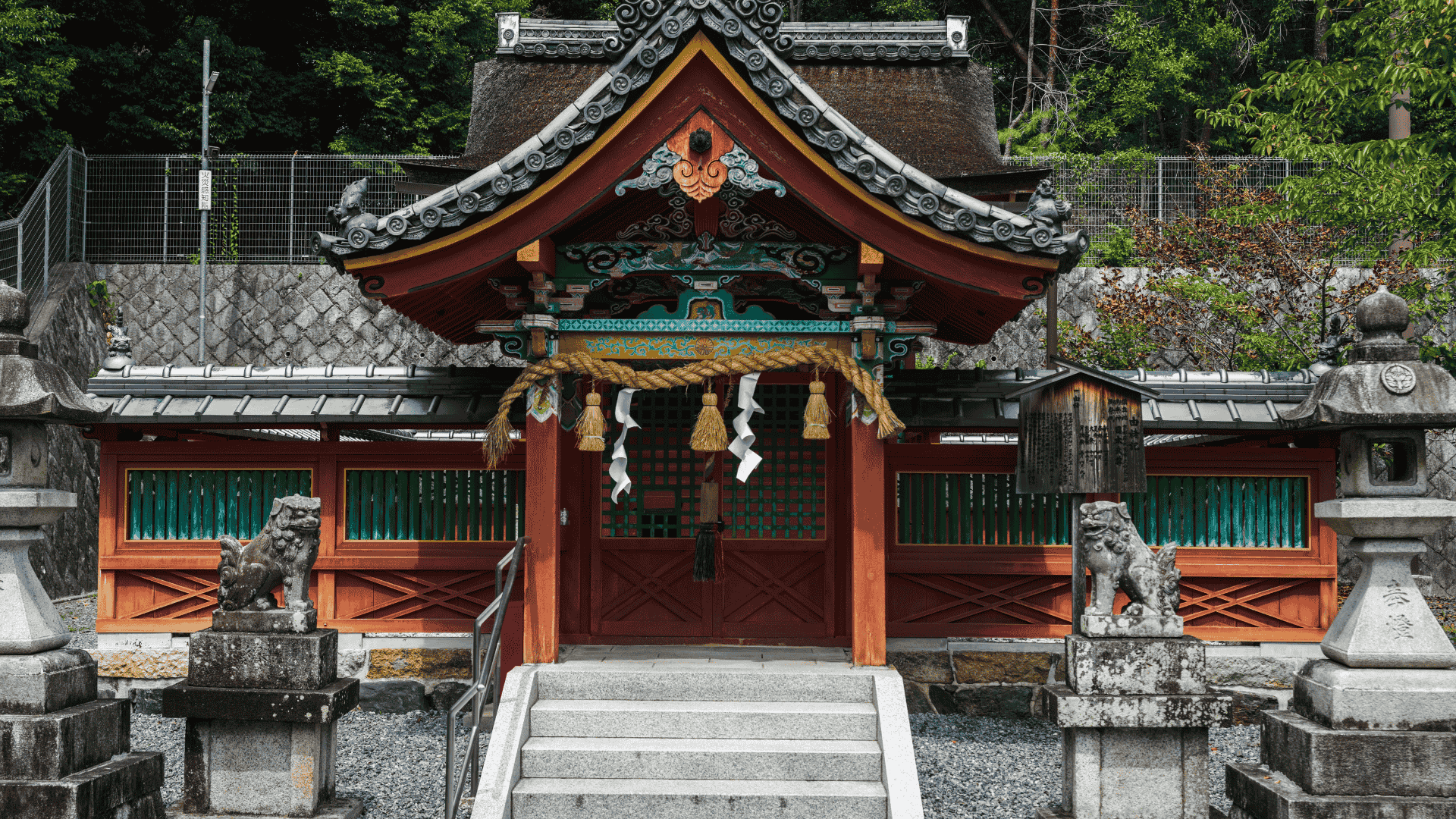
New year in Japan, or Oshōgatsu (お正月), is a big deal. It’s calm, meaningful, and full of traditions that go way beyond countdowns and fireworks. If you’ve ever wondered why the whole country feels different around January 1, here’s your guide to the season.
Let’s dive in!
🎍 What makes Japanese new year special?
While many countries celebrate with big parties, Japan takes a quieter and more reflective approach. Shops close, people travel back to their hometowns, and life slows down. It’s all about starting fresh, both emotionally and spiritually.
🎏 Ōmisoka
December 31 is Ōmisoka (大晦日), the final day of the year. Families clean their homes in a big end of year cleanup called ōsōji (大掃除), which symbolizes clearing out old energy.
Then comes toshikoshi soba (年越しそば), long noodles eaten to bring a long and healthy life. Simple, comforting, and meaningful.
🔔 Joya no kane
At midnight, temples across Japan ring their bells 108 times in a ritual called Joya no kane (除夜の鐘). Each ring represents a human desire or worry that people want to leave behind before stepping into the new year.
It’s a beautiful tradition, and if you hear it in person, it feels almost meditative.
⛩️ Hatsumōde
From January 1 to 3, people visit shrines and temples for hatsumōde (初詣), the first prayer of the year. They buy charms, draw fortunes, and pray for things like good health, safe travels, or success at school or work.
Shrines can get crowded, but there’s something really special about the atmosphere.
🏠 New year with family
Oshōgatsu is mainly a family holiday. Many people return to their hometowns to relax, eat traditional food, and enjoy time together. It’s one of the few moments when Japan collectively pauses.
🍱 Osechi ryōri
Osechi ryōri (お節料理・おせち料理) is the iconic New Year meal, beautifully arranged in multi-layered boxes. Each food has a meaning:
• 黒豆 kuromame → good health and hard work
• 数の子 kazunoko → prosperous family
• 昆布巻き kobumaki → happiness
• 伊達巻 datemaki → learning and knowledge
Everything is prepared before January 1 so families can rest during the holiday.
🎮 Modern touches
Of course, not everything is traditional. Many people watch big TV specials, enjoy konbini New Year treats, or go to theme parks for fun celebrations.
Some even take early morning trips to watch the first sunrise of the year, called hatsuhinode (初日の出).
🧧 The beloved otoshidama
Kids across Japan LOVE New Year because they receive otoshidama (お年玉), money in cute decorated envelopes. It’s one of the most nostalgic Japanese traditions.Generally, otoshidama amounts vary by age and increase as children get older.
There is something my grandfather used to talk about every New Year.
He wanted to give different amounts of otoshidama depending on the siblings’ ages, but I felt sorry for my younger sibling and asked him to give us all the same amount. Since he came from a generation that placed stronger value on respecting one’s elders, I think he was initially surprised by the idea of giving everyone the same amount. Even so, from that year onward, he gave all of us equal amounts every New Year. And he praised me every year for being considerate toward my younger sibling.
✨ Why New Year matters in Japan
More than a celebration, New Year in Japan is a reset. It’s a moment to reflect, reconnect with family, and welcome the year with good intentions. If you're curious about Japanese culture, Oshōgatsu offers one of the most authentic experiences.
Your Sensei,
Hikari 👩🏻🏫
Join my ニュースレター Newsletter 📩
You can expect an email from me once a week about Japanese culture.
Don't worry, your information will not be shared.
We hate SPAM. We will never sell your information, for any reason.