
Japanese with Hikari's Blog
Your sensei's tips about Japanese culture and language
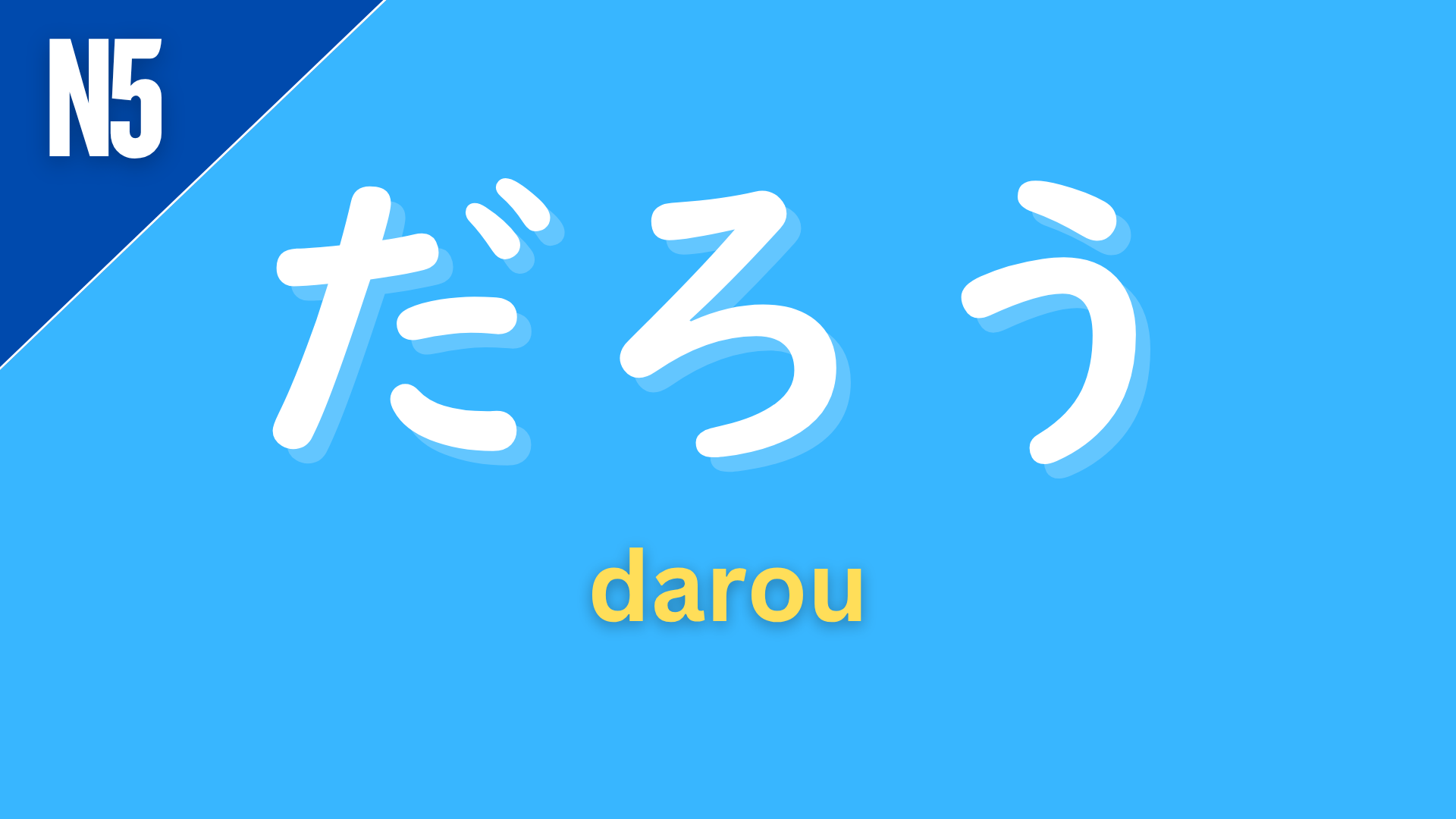
Have you ever looked at the sky, seen dark clouds, and thought, "Hmm, it's probably going to rain"? Or maybe you’ve cooked a masterpiece and wanted to nudge your friend with a "It’s delicious, right?"
That’s exactly where だろう (darou) comes in!
It’s...
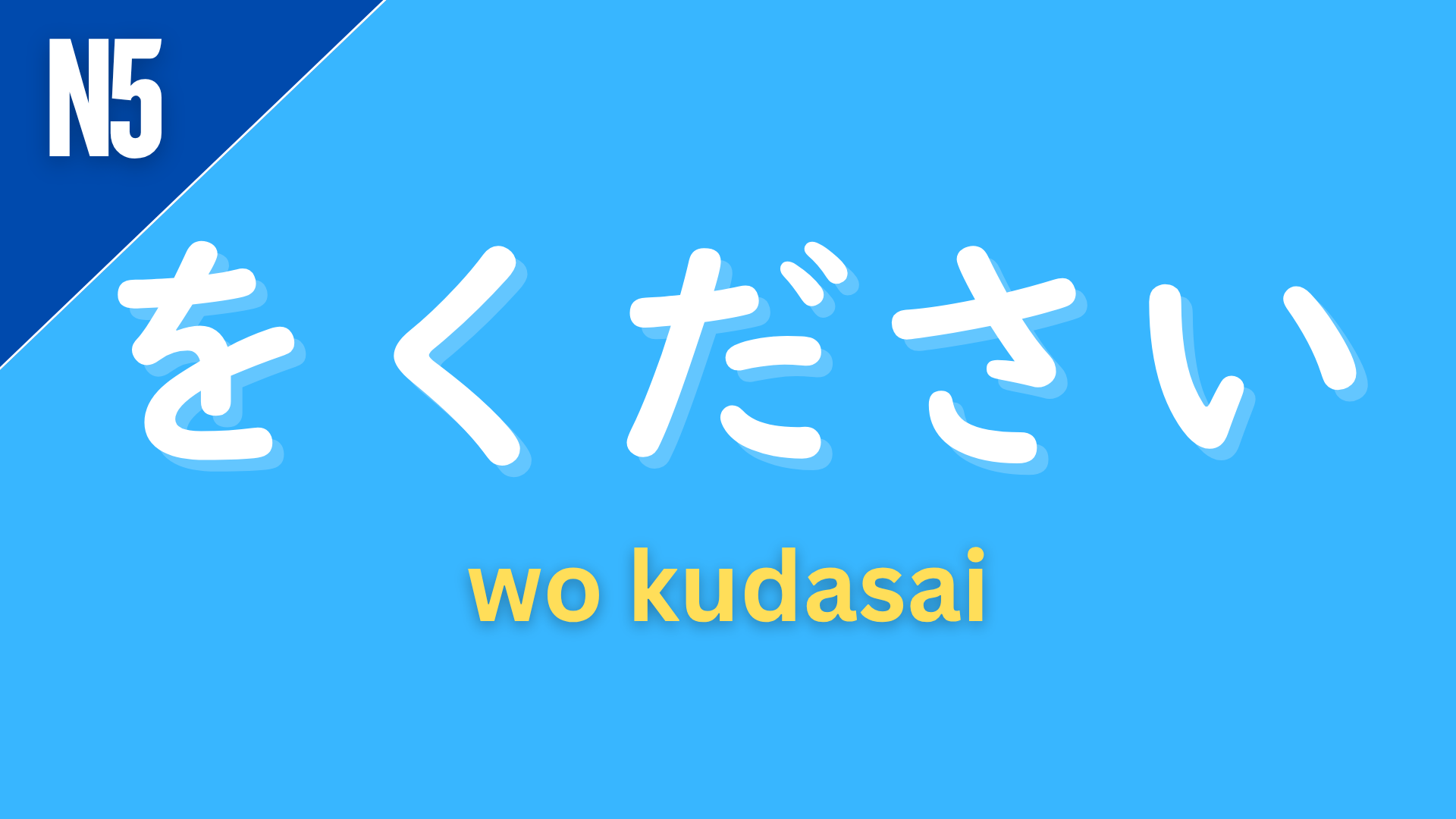
Have you ever walked into a cute Japanese bakery, smelled the fresh melon pan, and suddenly realized... you don't know how to actually ask for it?
Don't worry! We’ve all been there, pointing frantically and hoping for the best. But what if I told yo...
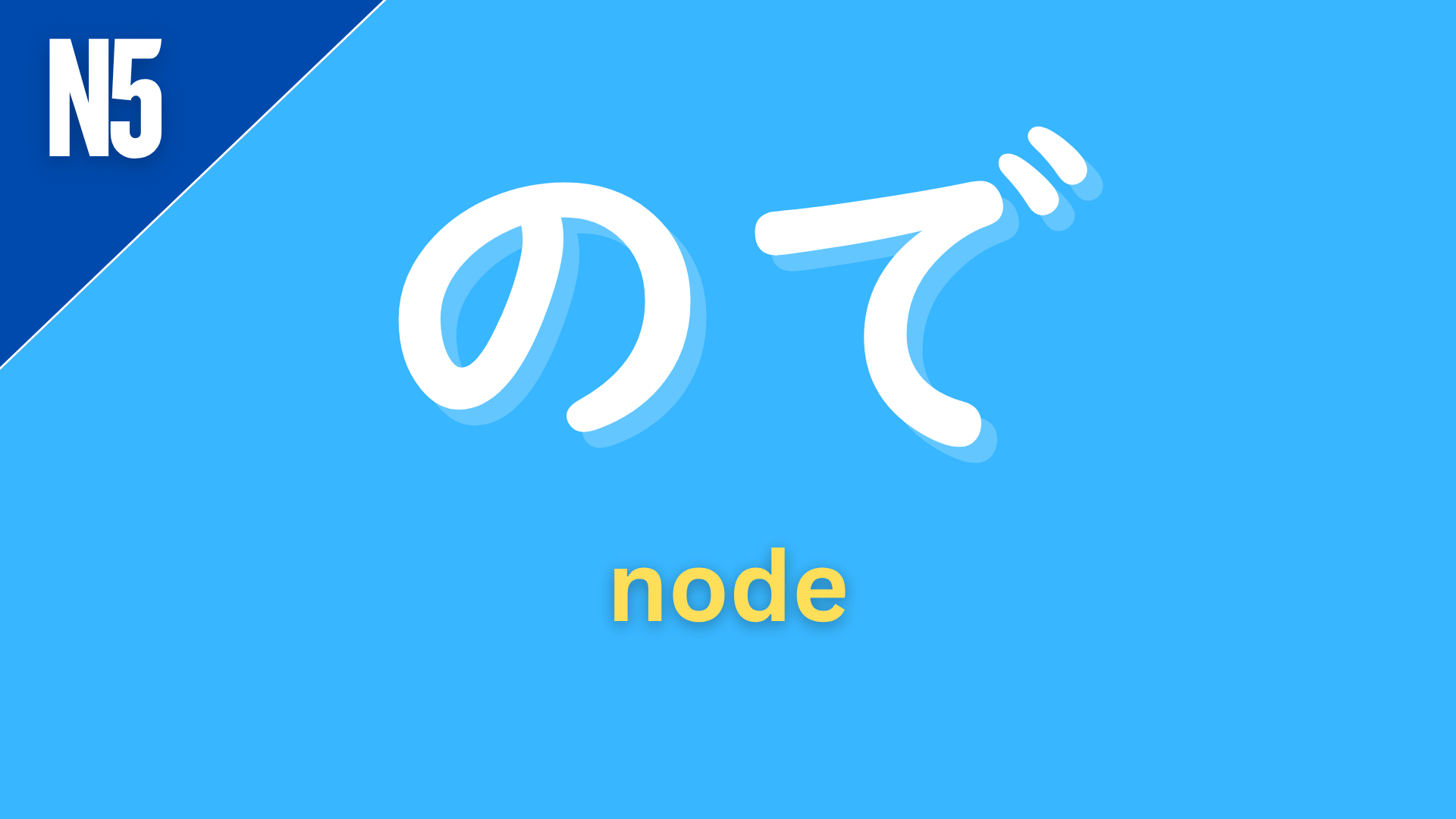
Have you ever been in a situation where you needed to explain why you were late, or why you need to leave early, but you wanted to sound extra polite and professional?
Maybe the train was delayed, or you have a bit of a headache. You don't want to s...
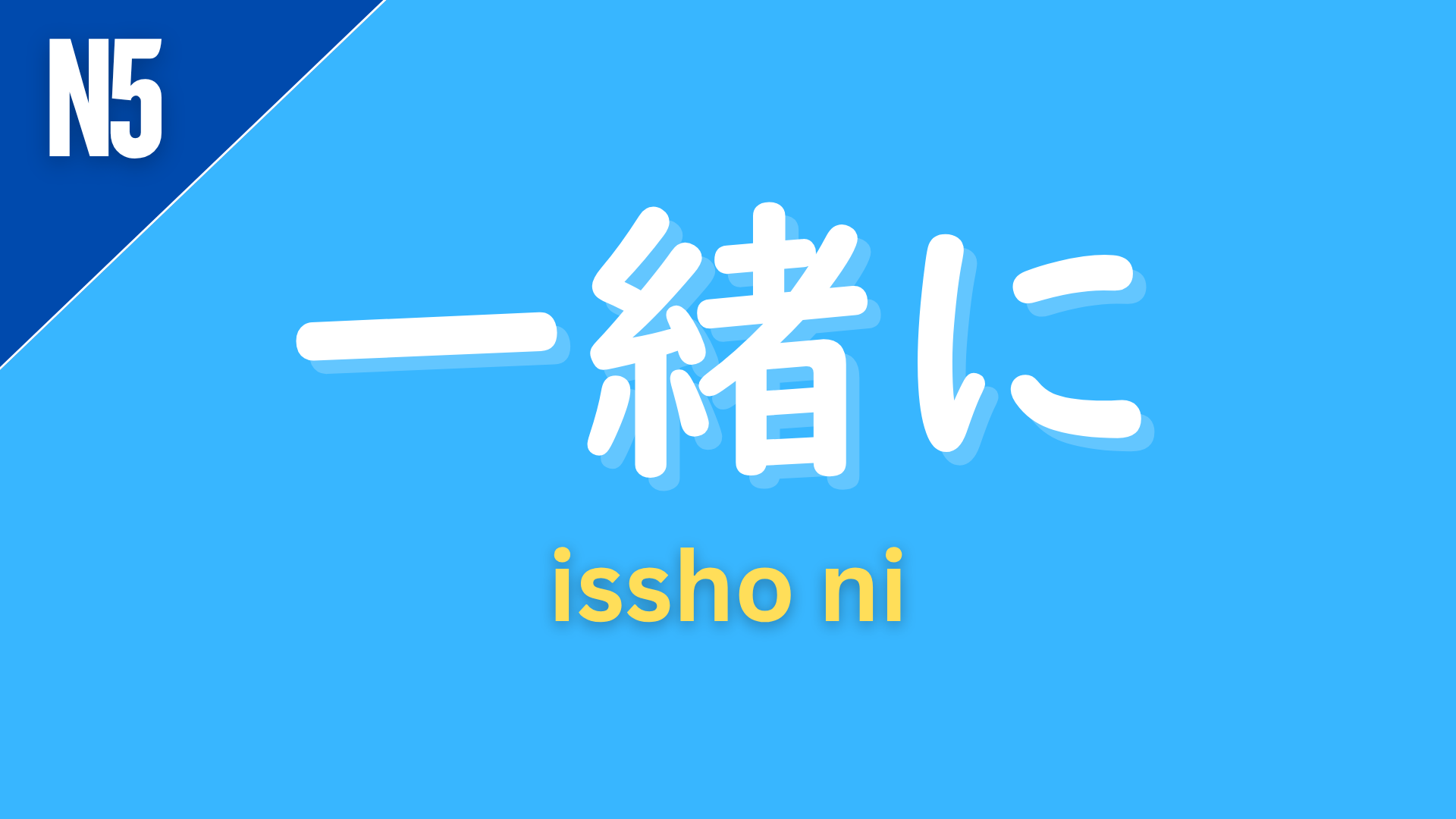
Have you ever felt that everything is just a little bit better when you’re not alone?
Maybe you want to invite a friend to grab some delicious ramen, or perhaps you want to study for the JLPT with a classmate so you don't fall asleep over your kanji...
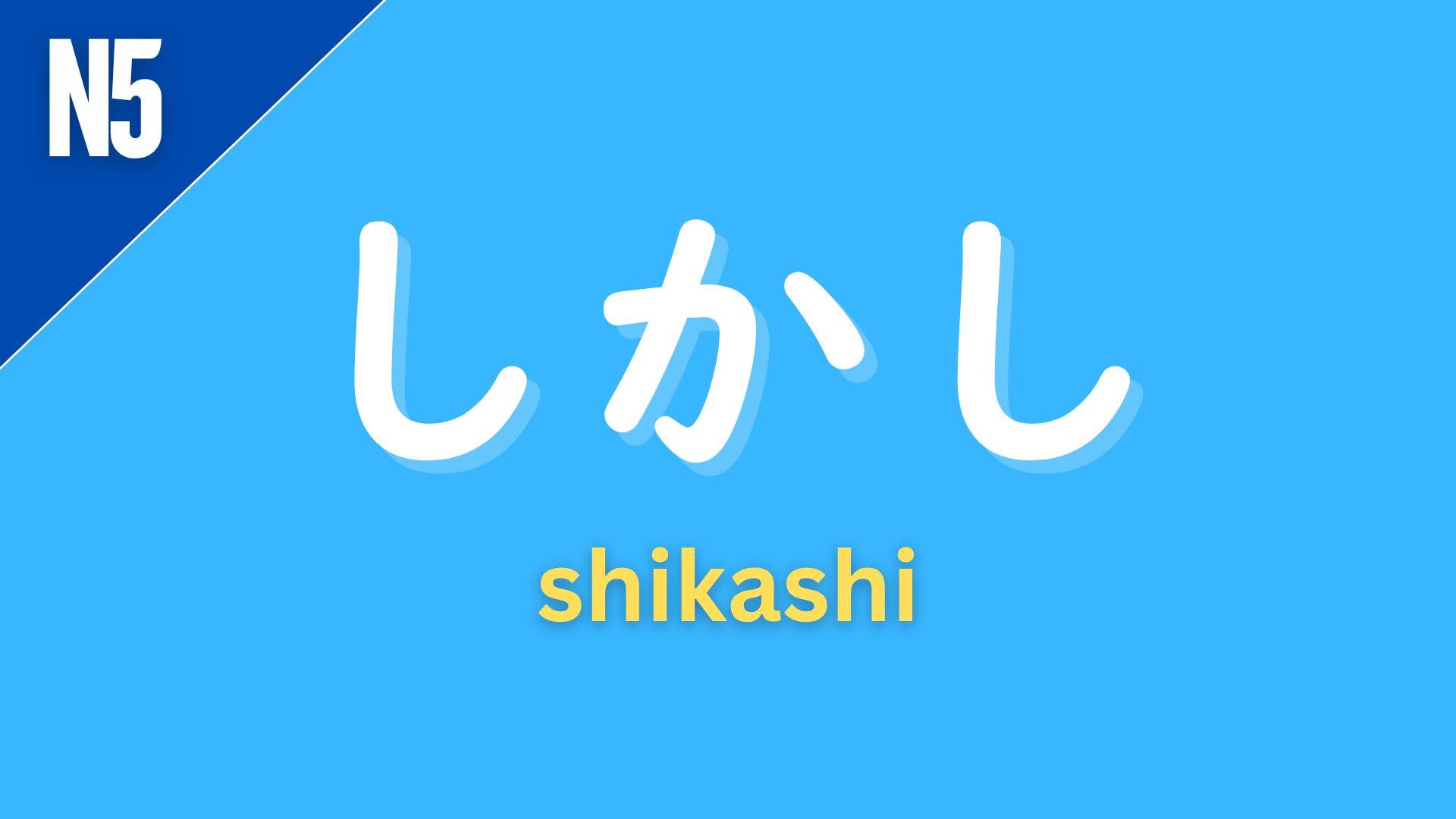
Have you ever been so excited about something, only for a “but” to pop up and ruin the vibe?
Maybe you found the perfect pair of shoes, but they were too expensive.
Or you studied really hard for a test, but the result wasn’t what you hoped for.
We’ve...
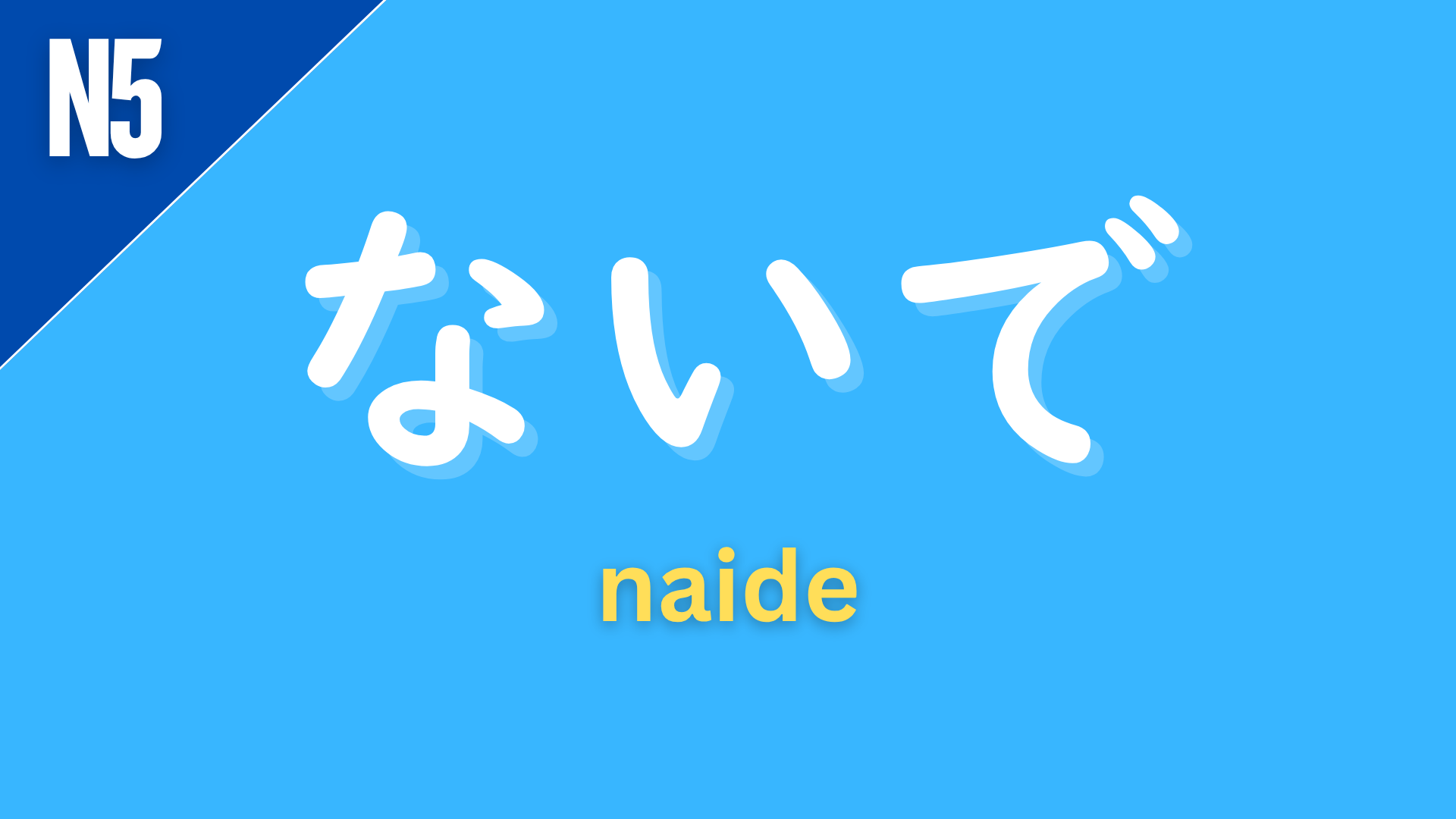
Have you ever rushed out of the house only to realize halfway to the station that you forgot your phone?
Or maybe you’re at a coffee shop where everyone is busy adding whipped cream, chocolate powder, and tons of syrup to their drinks, but you decid...
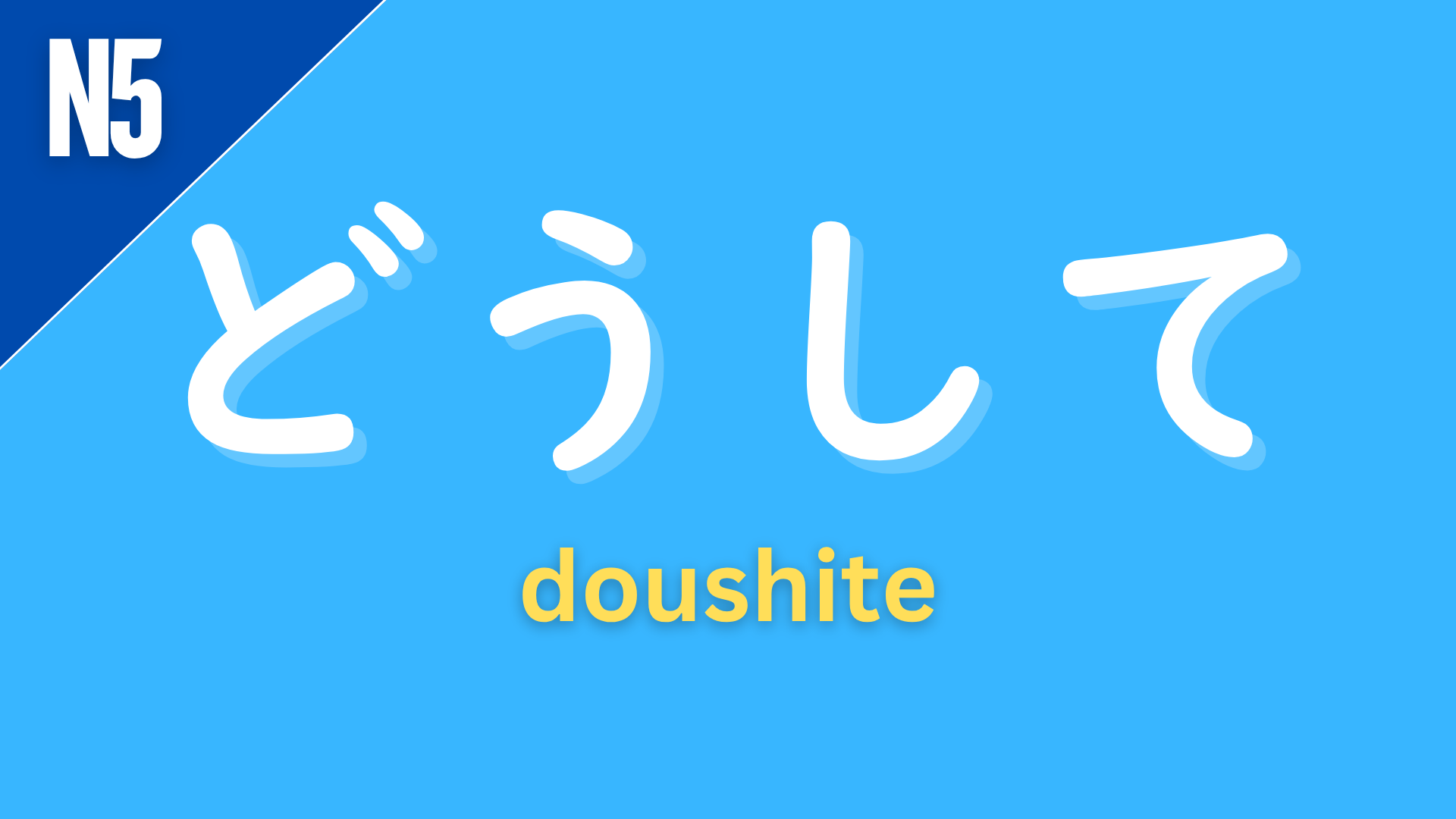
Have you ever watched a video of Shinjuku Station and thought,
“Why is everyone lining up so perfectly even though it’s so crowded?”
Or maybe you’ve seen travel vlogs showing a vending machine standing alone in the middle of nature and wondered “Why ...
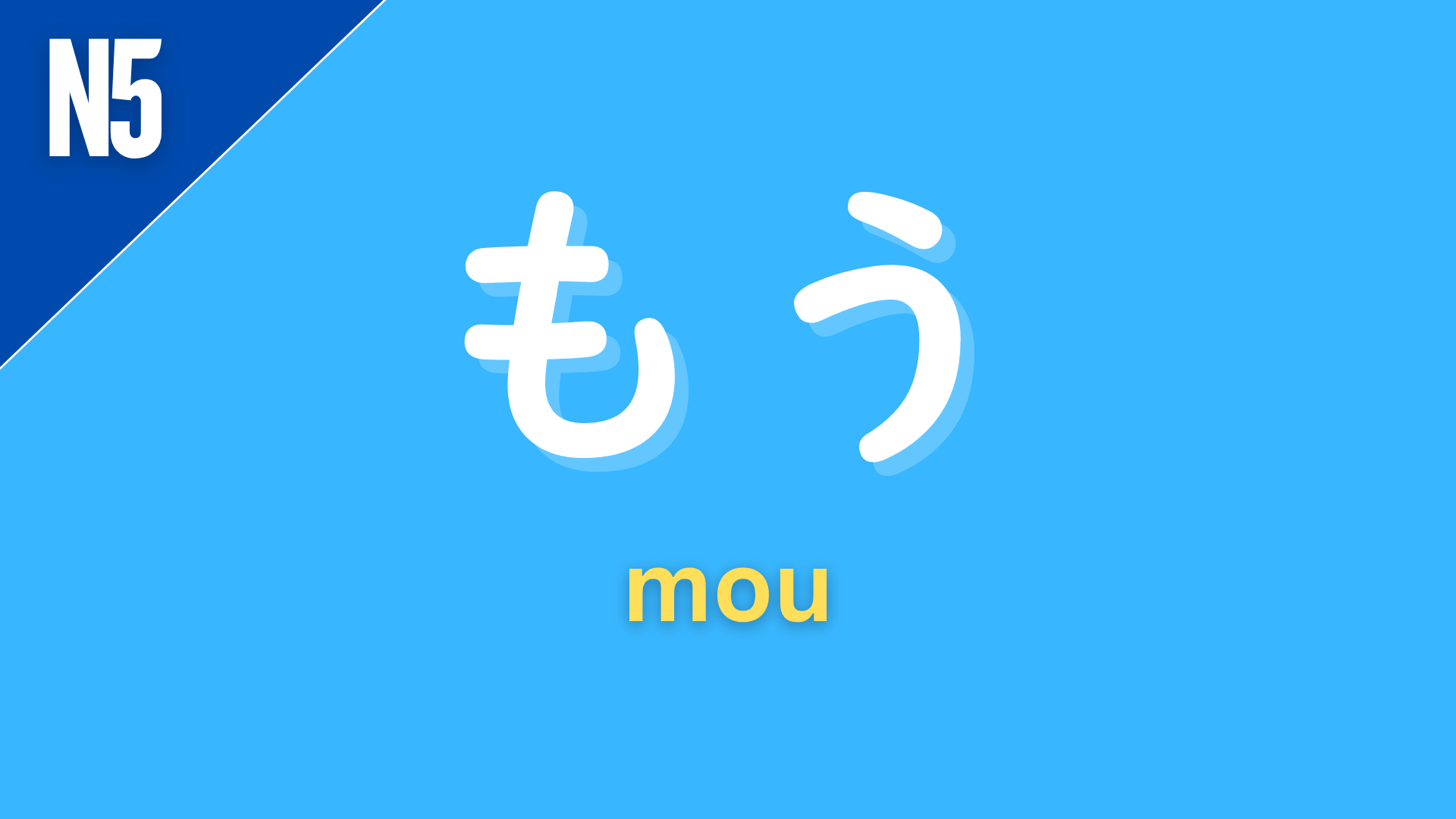
Have you ever felt like you’ve reached your limit?
Or maybe you’ve already finished your tasks for the day and you’re ready to relax.
That’s where the super versatile word もう (mou) comes in.
It is one of the most common words you will hear in Japan....
Have you ever tried to explain your daily routine and felt like you were just listing random actions?
“I wash my hands. I eat dinner. I watch anime.”
It sounds a bit like a robot, right?
In Japanese, when we want to show a clear sequence that actio...
Have you ever wanted to get to know someone better by asking about their preferences?
For example, you might want to ask a friend what kind of food they like, or what kind of movies or anime they enjoy watching.
Or maybe you are chatting with someone...
Have you ever shared some exciting news with a friend, only to feel like your sentence ended a bit too… flat?
Maybe you wanted to say, “The train is coming!” or “This cake is amazing!!!”
But instead, it sounded more like a robotic fact than a friendl...
Have you ever found yourself in a heated debate with a friend about the most important questions in life?
Like… are cats cuter than dogs? Or is ramen definitely better than pasta?
When you want to compare two things and say that one is “more” than th...
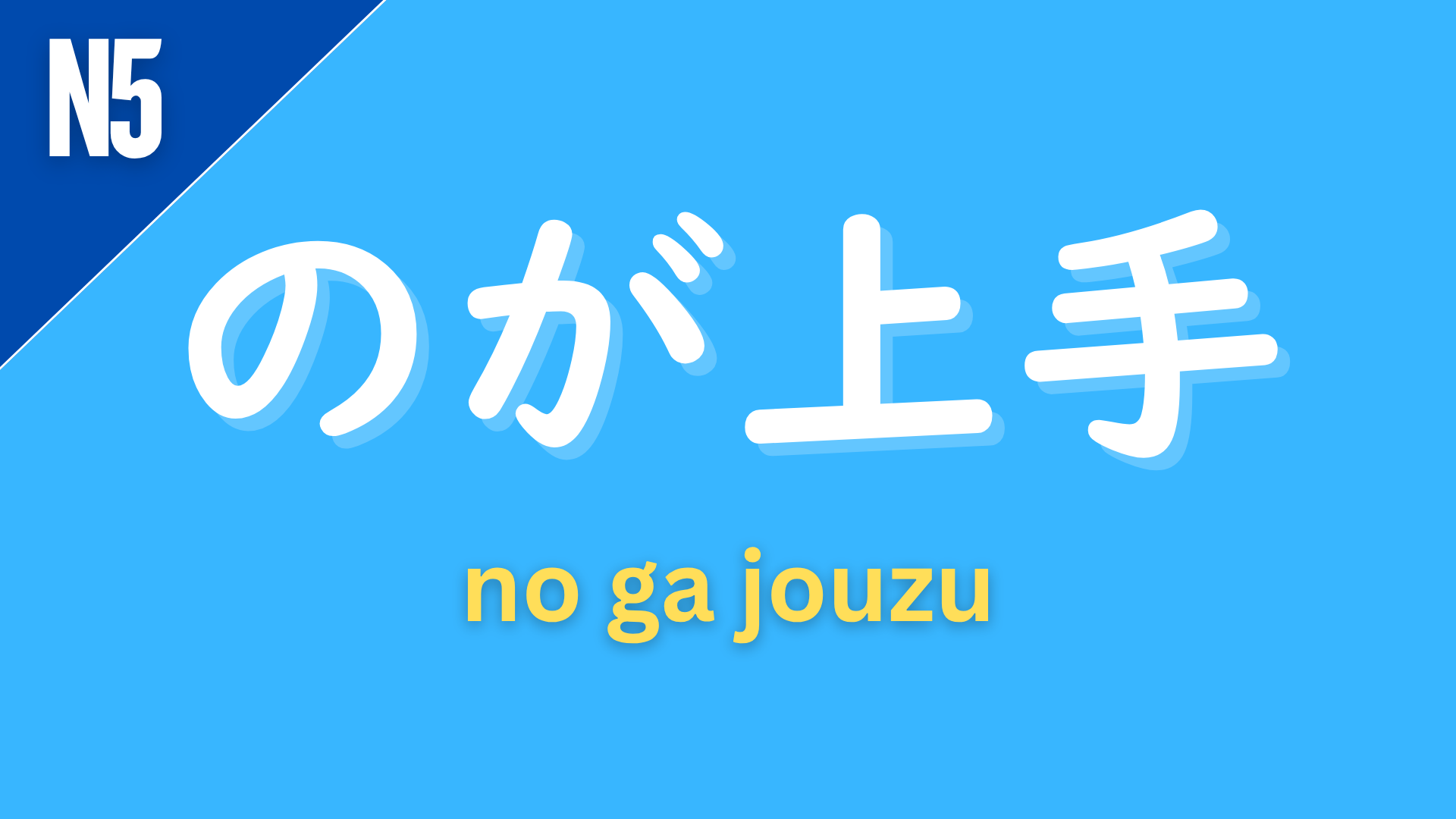
Have you ever been scrolling through Instagram or TikTok and suddenly saw a video of your quiet friend absolutely shredding a guitar solo?
Or maybe you saw a post with gorgeous, professional-looking sweets and thought they were from a high-end baker...
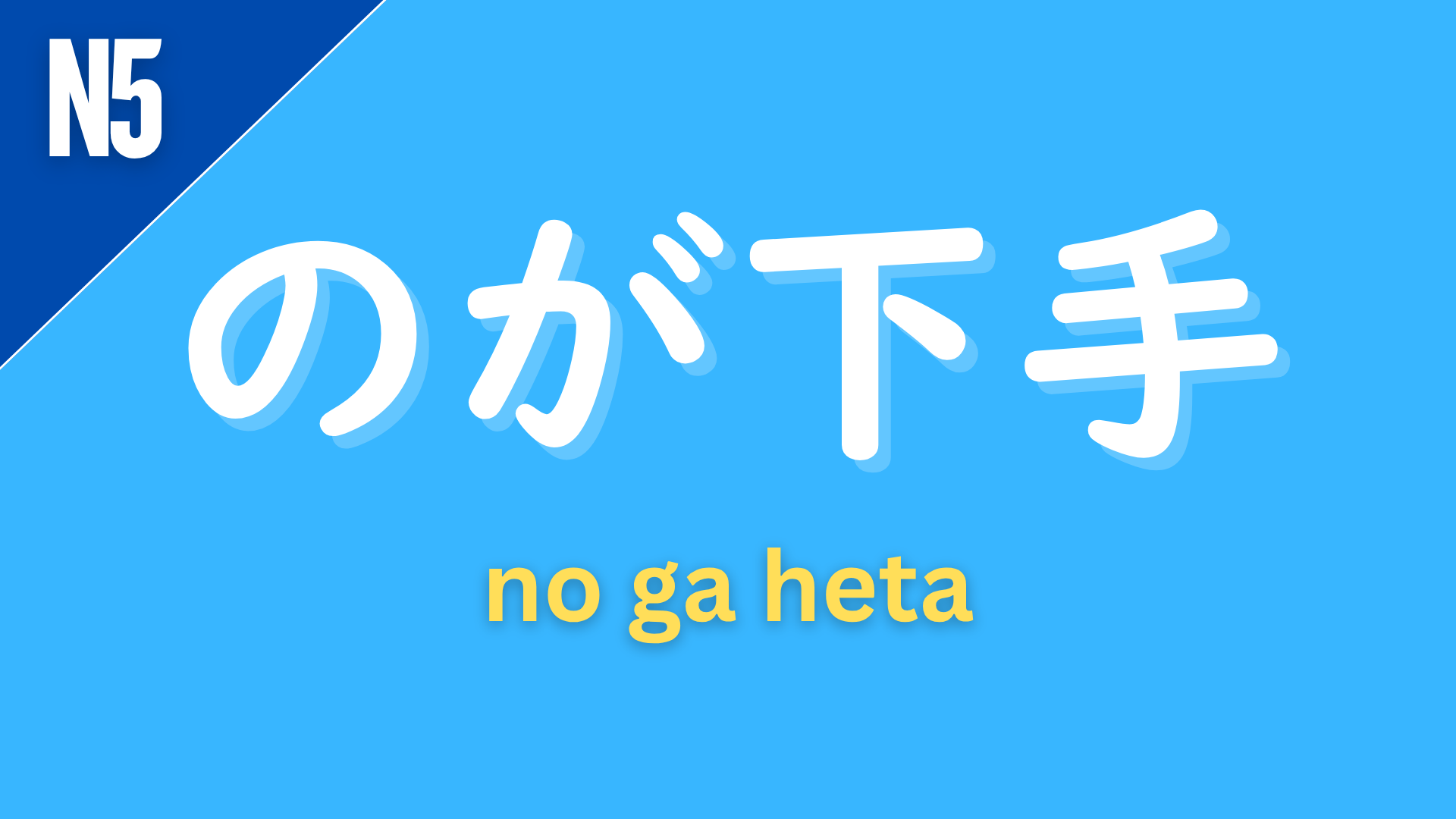
Have you ever tried to sing your heart out at karaoke, only to realize you’re hitting all the wrong notes?
Or maybe you tried to cook a fancy dinner, but it ended up looking like a science experiment gone wrong?
We’ve all been there!
Sometimes, we’re...
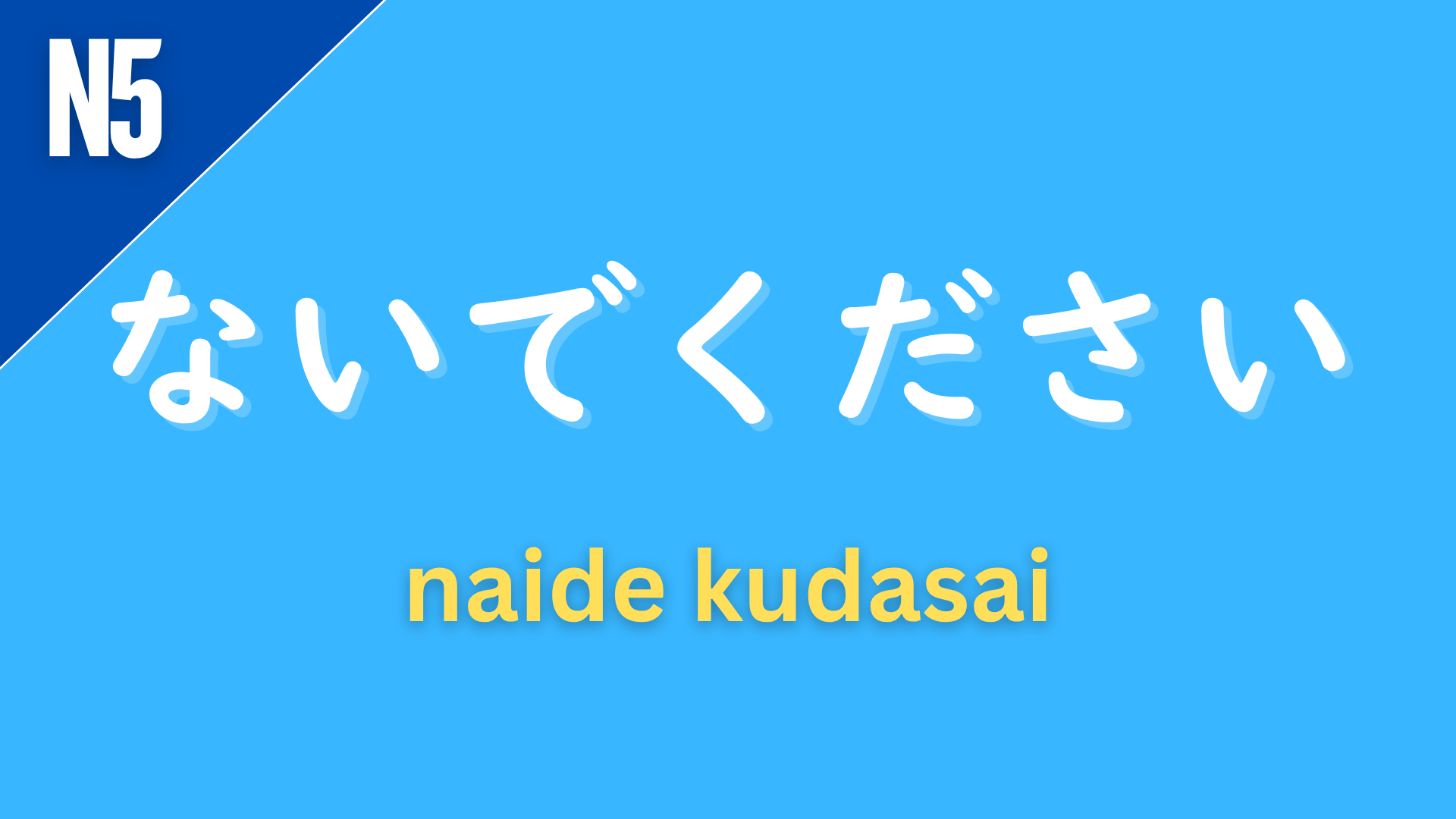
Have you ever heard this in Japan?
“Please don’t take photos here.”
“Please don’t enter.”
“Please don’t worry.”
Many people say they’re surprised by how many signs and notices there are when they come to Japan. It can feel like there are a lot of rul...
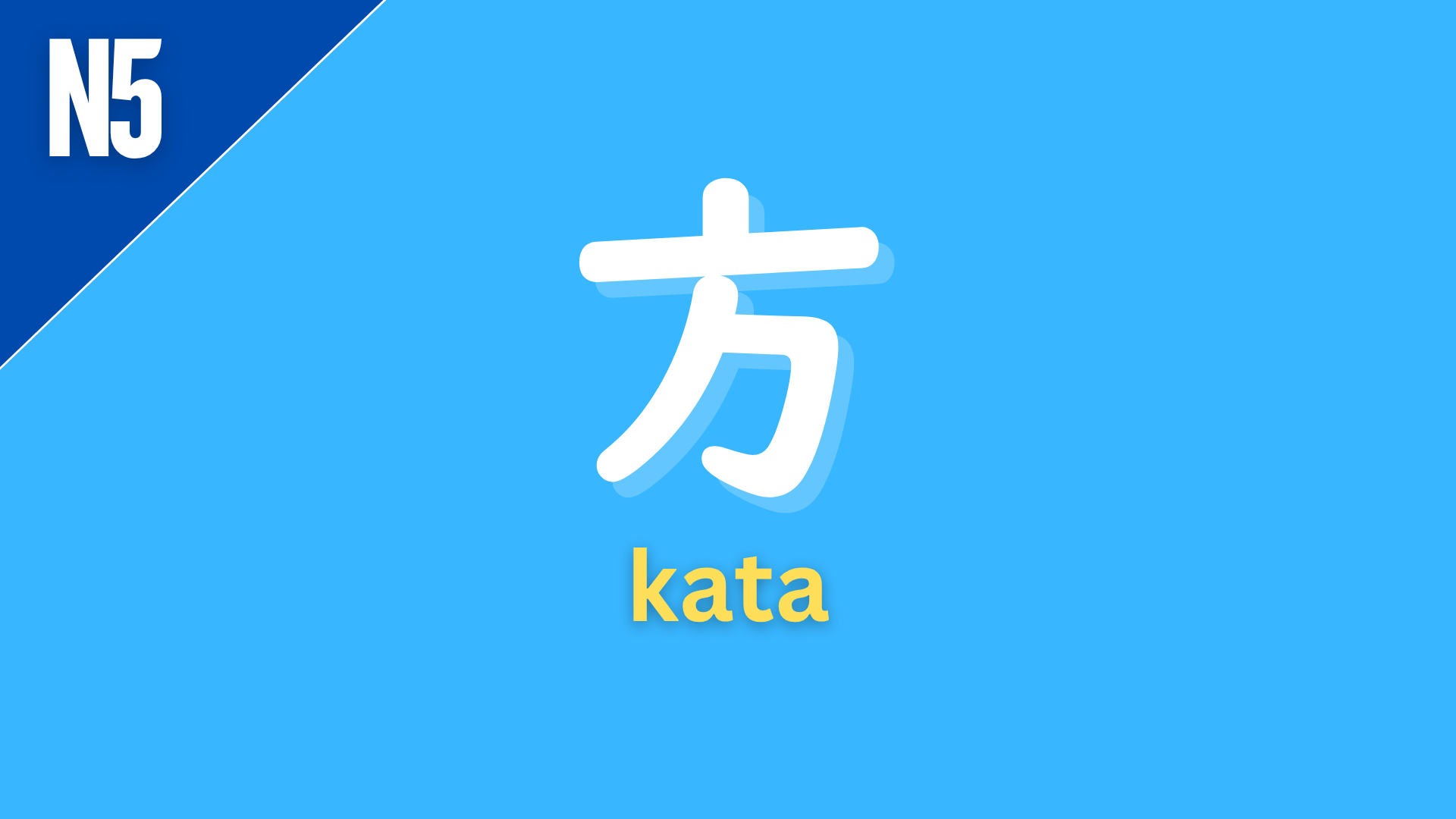
Have you ever wanted to say something like this in Japanese?
“How do you write this kanji?”
“How do you make this dish?”
“What’s the best way to study Japanese?”
In English, we often say how to or the way to do something.
In Japanese, there’s a super ...
Have you ever wanted to say something like this in Japanese?
“I think it will rain today.”
“This cake is good, right?”
“I told you already, didn’t I?”
In English, these all sound a bit different. But in Japanese, one very polite and flexible word can...
Have you ever wanted to say “very” in Japanese…
but weren’t sure if it sounds polite enough? Too strong? Too casual?
Good news! Japanese has a safe, friendly, and super reliable word for that:
とても (totemo) .
Whether you’re talking about the weather, ...
Have you ever wanted to ask “How do I do this?” in Japanese?
You’re in Japan.
You want to buy a Shinkansen ticket, and you’re standing in front of a ticket machine.
So many buttons… so many options… and you’re thinking,
“Okay… how do I buy this?”
Or m...
![Japanese grammar pattern “〜の中で[A]が一番” (no naka de [A] ga ichiban) labeled N5 on a blue background, used to express that something is the most within a group (“[A] is the most…”).](https://kajabi-storefronts-production.kajabi-cdn.com/kajabi-storefronts-production/file-uploads/sites/2147539994/images/788d584-40a-8d7a-316b-afd72d782f56_BLOG_-_THUMBNAILS_Landscape_64_.png)
Have you ever had a conversation like this?
You’re talking with friends and someone asks “Which Japanese food do you like the most?”
Sushi? Ramen? Tempura? Karaage? Tamago-sando?
You like all of them… but you have to choose one.
Or maybe the quest...
Have you ever felt relieved when someone tells you,
“You don’t have to do that,” or “It’s okay if you don’t”?
In English, it feels like a gentle permission like…
“You don’t have to go,”
“You don’t need to finish it today,”
“It’s okay if you don’t eat ...
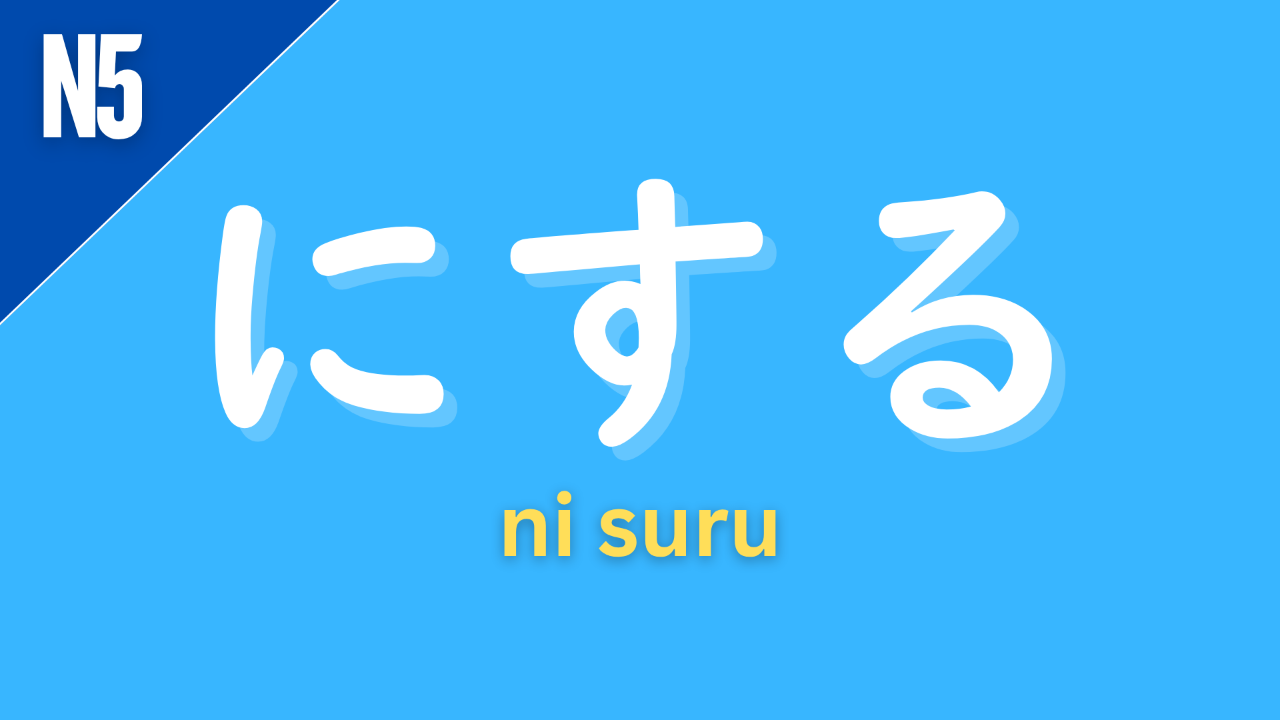
Have you ever had a moment when you had to make a choice like picking a drink, deciding dinner, or choosing today’s plan…and thought,
“Ahh! How do I say this in Japanese?”
That’s when にする (ni suru) becomes your best friend!
にする means “to choose,” “t...
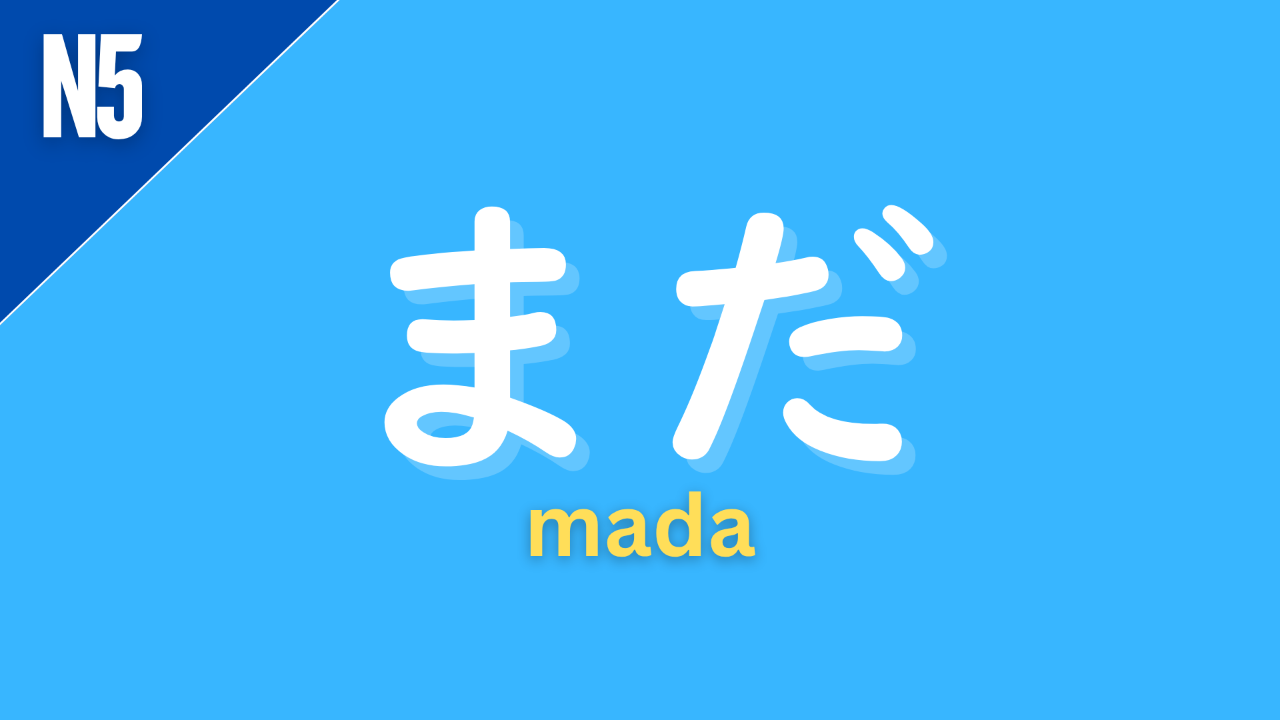
Have you ever had a moment when someone asked you something like,
“Are you ready?” “Did you finish?” or “Has it started yet?”
And you thought…
“Hmm… not yet.” or “It’s still going on.”
That’s when まだ (mada) becomes your best friend!
まだ is a super ba...
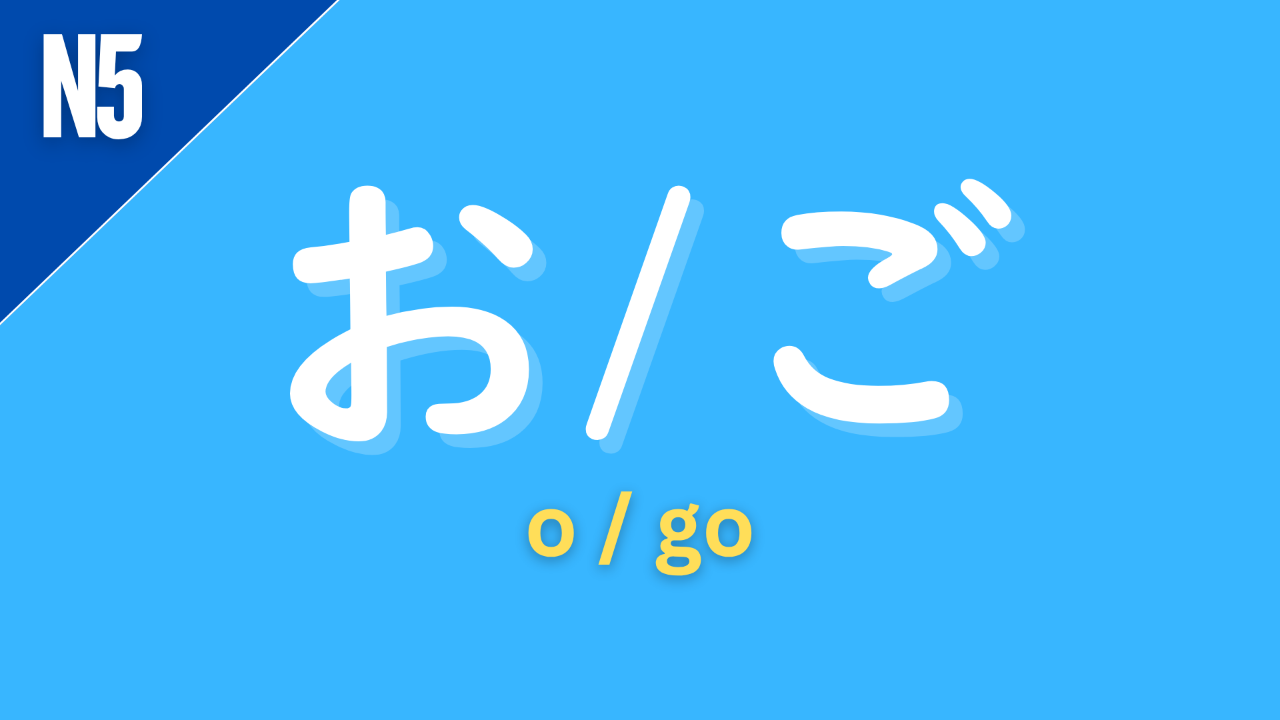
You’ve probably heard that Japanese has many polite ways of speaking. And it’s true! Even small changes can make your words sound softer and more respectful.
One of the simplest examples is the little prefixes お (o) and ご (go).
Have you ever notice...

Get Hikari's Free Tips, Tutorials and Special Offers
By submitting this form, you are agreeing to receive messages from Hikari. Your email address will NEVER be shared or sold. You are always free to easily unsubscribe or customize your email preferences at any time and a link will be provided in all communications.