JLPT N5 - Grammar 🌟 ないでください naide kudasai
Have you ever heard this in Japan?
“Please don’t take photos here.”
“Please don’t enter.”
“Please don’t worry.”
Many people say they’re surprised by how many signs and notices there are when they come to Japan. It can feel like there are a lot of rules at first.
And that’s true.
But actually, these small, polite reminders help keep daily life smooth and comfortable for everyone.
They’re not meant to scare you.
They’re just gentle ways to help people share the same space peacefully.
And don’t worry. You don’t have to memorize everything.
If you just know one simple expression, you’ll understand a lot of what you see and hear.
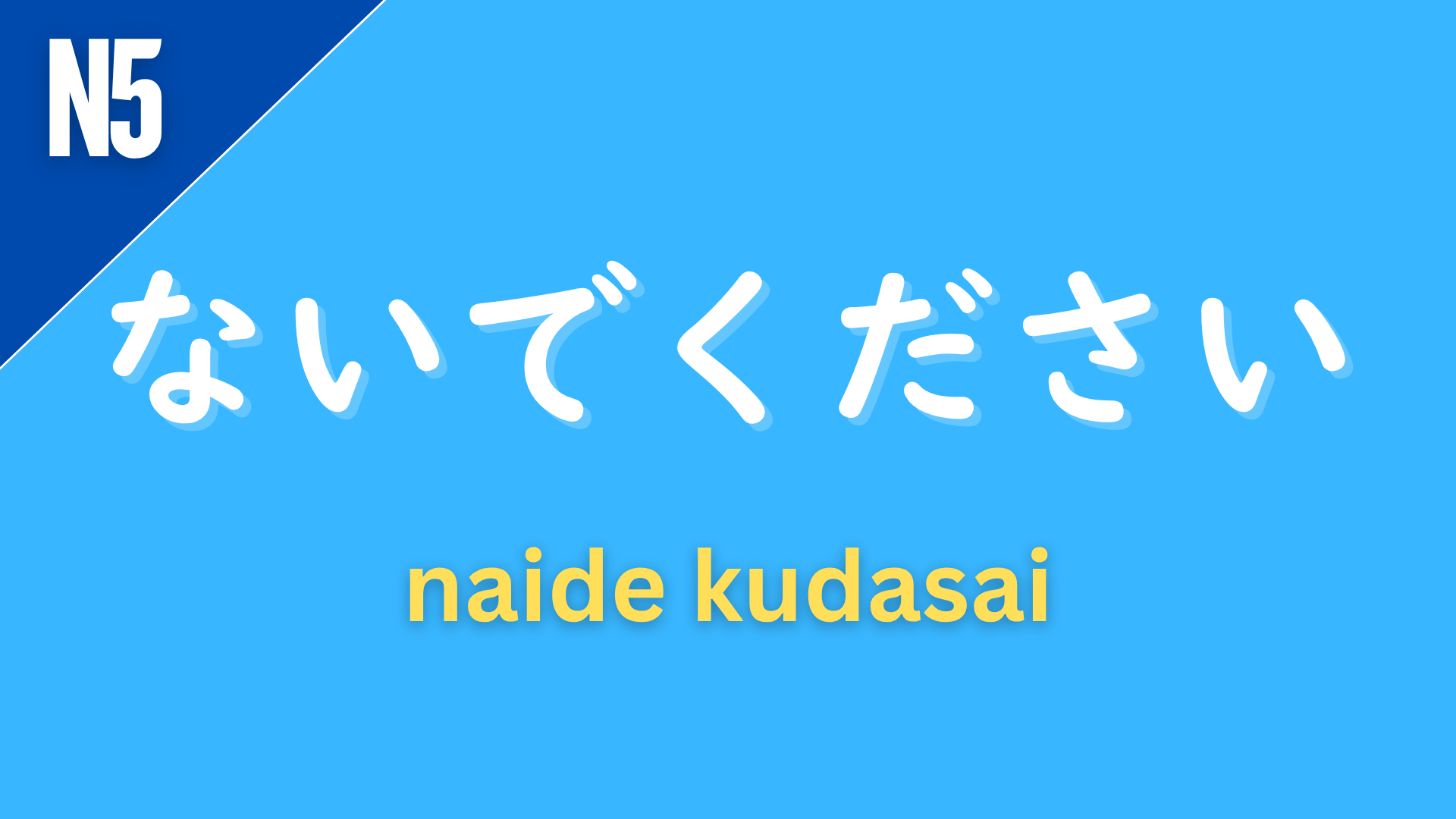
That expression is ないでください (naide kudasai).
It’s used when someone politely asks you not to do something.
You’ll hear it at stations, in shops, at schools, and in everyday conversations.
Once you learn this, your time in Japan will feel much easier and more comfortable.
So let’s learn how ないでください works, and how to use it naturally in real life.


ないで (naide) vs ないでください (naide kudasai)
Both expressions mean “don’t do something,” but they differ in tone and politeness.
ないで (naide)
This is the casual form.
It’s commonly used with friends, family, or people you’re close to, and it often sounds gentle or caring.
そんなに心配しないで。
そんなに しんぱい しないで。
sonnani shinpai shinaide.
Don’t worry so much.
Use ないで when you want to sound friendly.
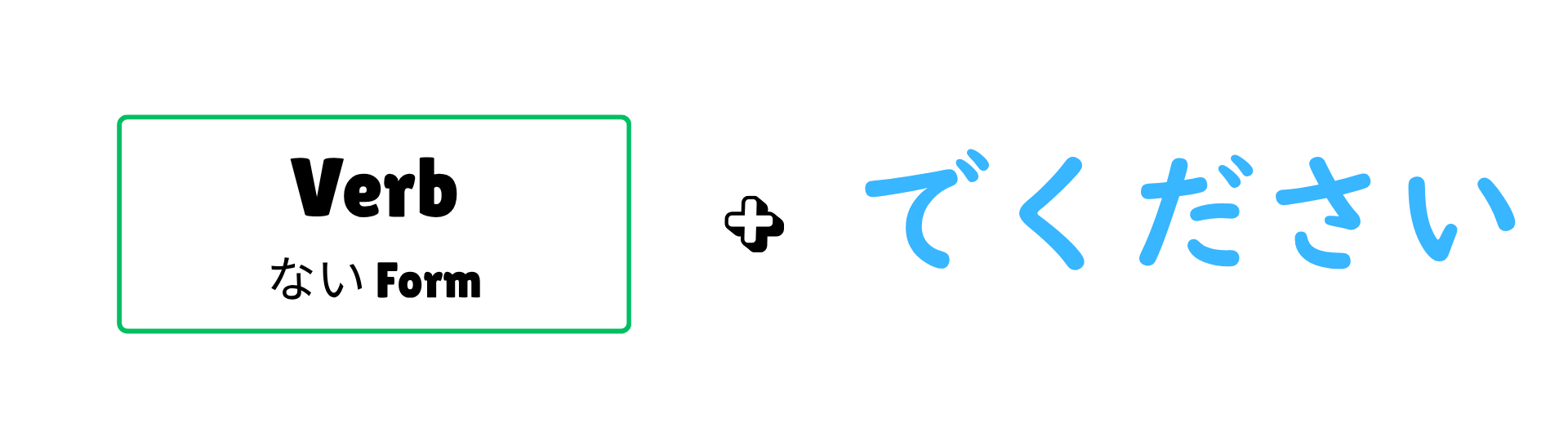
ないでください (naide kudasai)
This is the polite form.
You’ll see it a lot on signs, announcements, and when speaking to people you don’t know well.
ここで写真を撮らないでください。
ここ で しゃしん を とらないで ください。
koko de shashin wo toranai de kudasai.
Please don’t take photos here.
Use ないでください when you want to be polite and clear.

美術館では走らないでください。
びじゅつかん では はしらないで ください。
bijutsukan deha hashiranai de kudasai.
Please don’t run in the museum.
芝生のなかには入らないでください。
しばふ の なか に は いらないで ください。
shibafu no naka ni ha iranai de kudasai.
Please don’t enter the grass area.
図書館では大きな声で話さないでください。
としょかん では おおきな こえ で はなさないで ください。
toshokan deha ookina koe de hanasanai de kudasai.
Please don’t speak loudly in the library.
テストが終わるまで、教室を出ないでください。
てすと が おわる まで、きょうしつ を でないで ください。
tesuto ga owaru made, kyoushitsu wo denai de kudasai.
Please don’t leave the classroom until the test is over.
誰にも言わないでください。
だれ に も いわないで ください。
dare ni mo iwanai de kudasai.
Please don’t tell anyone.
熱があるようですので、無理をしないでください。
ねつ が ある よう です の で、むり を しないで ください。
netsu ga aru you desu no de, muri wo shinaide kudasai.
It looks like you have a fever, so please don’t push yourself.
そんなに自分を、せめないでください。
そんな に じぶん を、せめないで ください。
sonnani jibun wo, semenaide kudasai.
Please don’t blame yourself so much.

- Grammar Point: ないでください (naide kudasai)
- JLPT Level: N5
- Meaning: Please don’t do
- Quick Explanation: ないでください is used to politely ask someone not to do something.
So that’s how we use ないでください!
You’ll hear and see this expression a lot in Japan, from signs and announcements to everyday conversations.
日本語の勉強を、あきらめないでください!いつでも私がここにいますよ!
にほんご の べんきょう を、あきらめないで ください!いつでも わたし が ここ に います よ!
nihongo no benkyou wo, akiramenaide kudasai! itsudemo watashi ga koko ni imasu yo!
Please don’t give up on studying Japanese! I am always here for you!
Now, it’s your turn!
Try making your own sentence using ないでください.
Think about a rule, a request, or a kind piece of advice you might say in daily life.
Your Sensei,
Hikari 👩🏻🏫✨
Get Hikari's JLPT Mock Exams & Preparation Lessons!
Whether you are studying to pass the JLPT or looking for a challenge in your learning journey, these courses are perfect for you!
Join my ニュースレター Newsletter 📩
You can expect an email from me once a week about Japanese culture.
Don't worry, your information will not be shared.
We hate SPAM. We will never sell your information, for any reason.