Japanese with Hikari's Blog
Your sensei's tips about Japanese culture and language
To keep a conversation fun and flowing, it’s important not only to share your own opinion, but also to listen to the other person’s and ask questions that draw out their thoughts!
When you want to suggest something or ask for an opinion in English, ...
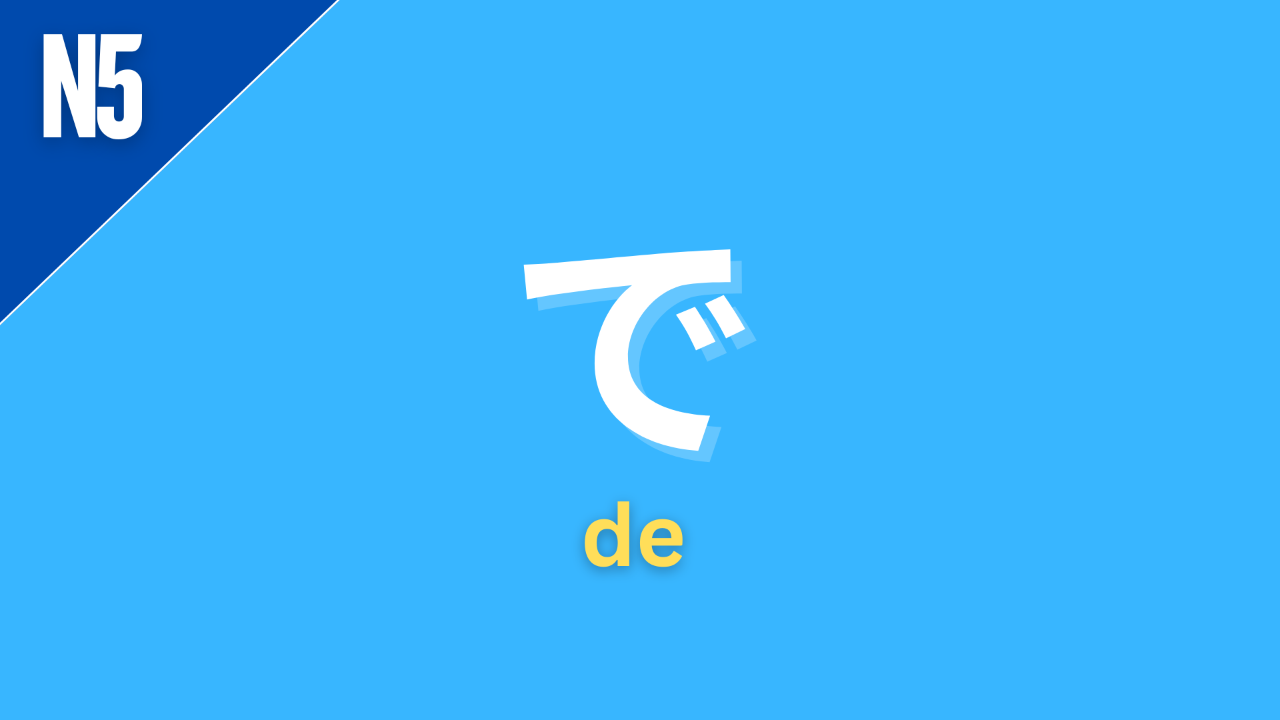
Ready for another must-know particle?
If に(ni) shows where something exists or where you go, then で(de) shows where something happens or how it happens.
Think of situations like:
“I study at the library.”
“I came by train.”
“I wrote this with a pen....

What’s one of our favorite topics when chatting with friends?
Of course, it’s talking about the things we like!
And Japanese people are the same. We love talking about our own interests, and also enjoy hearing about what other people like. To be hon...
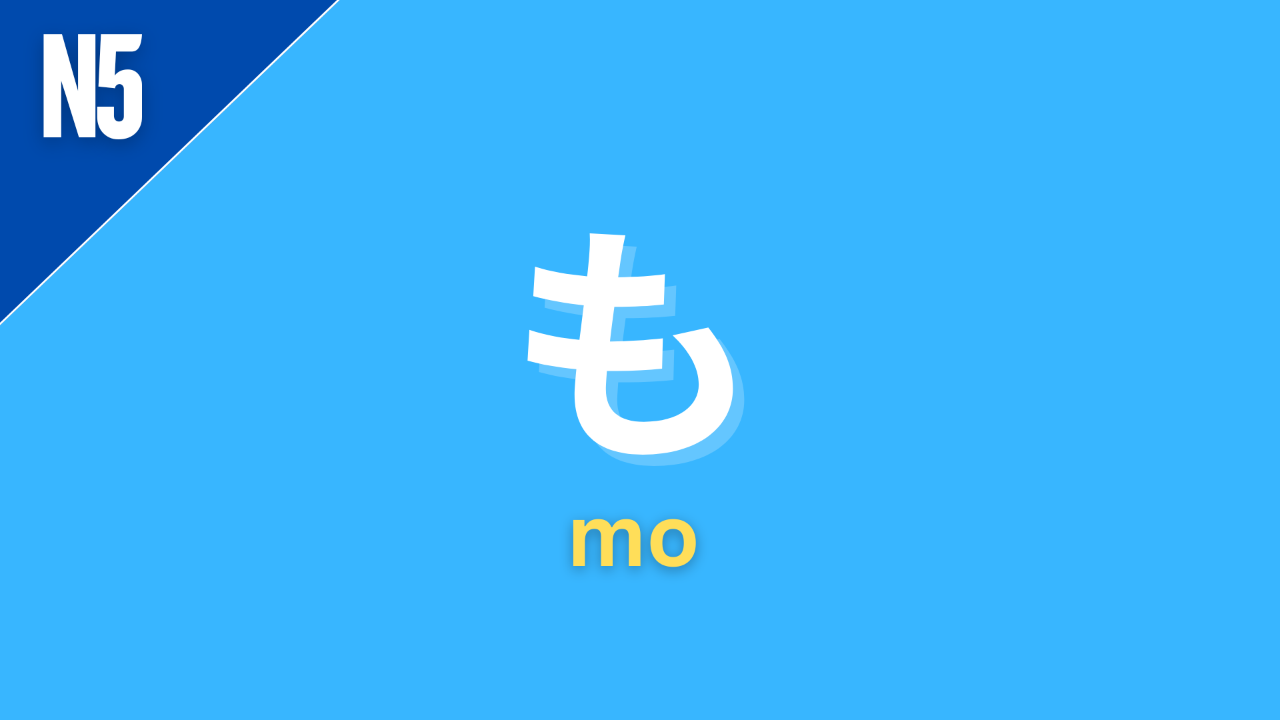
What does the particle も (mo) mean?
も (mo) means “too / also”. It replaces は, が or を:
- “Too / also”: 私もアニメが好きです。(I like anime too.)
- “Both… and…”: 東京も京都も行きたいです。(I want to go to both Tokyo and Kyoto.)
- “Neither… nor…” (with a negative): 肉も魚も食べませ ...
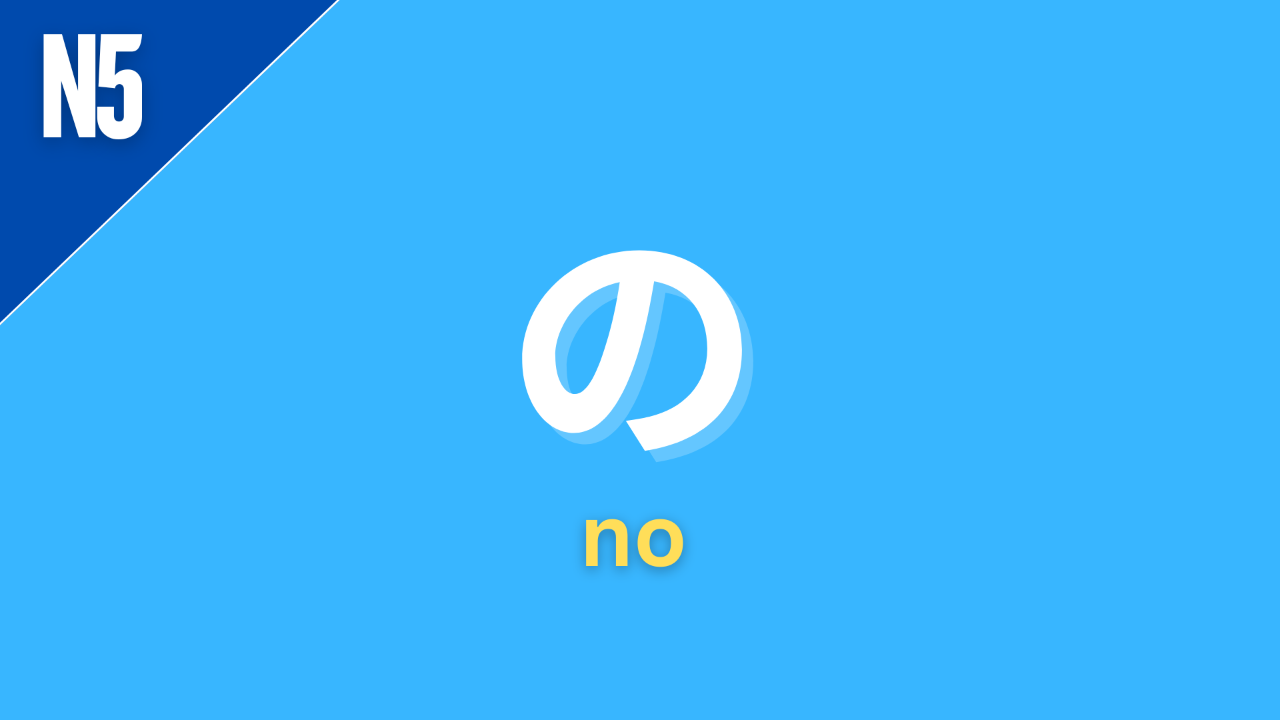
What does the particle の (no) mean?
の (no) connects two nouns. It works like “‘s” or “of” in English:
- Possession: 私の本 (my book) / 友達の家 (my friend’s house)
- Describing a noun: 日本語の先生 (a Japanese teacher) / 東京の大学 (a university in Tokyo)
- Linking...

What does the particle と (to) mean?
と (to) has two main uses at the JLPT N5 level:
- “And” (listing nouns): りんごとバナナを買いました。(I bought apples and bananas.)
- “With” (doing something together): 友達と日本に行きます。(I’m going to Japan with a friend.)
と vs や...

What does the particle が (ga) mean?
が (ga) marks the subject of a sentence, the person or thing that does the action or exists. It’s often used for new information or to emphasize “who/what”.
- Who/what exists: 犬がいます。(There is a dog.)
- Likes, wa...

You’re scrolling through Instagram and see a Japan traveler’s post…
A beautifully painted folding fan, some adorable cat goods, or maybe merchandise from your favorite anime character.
Your heart goes “Ahhh, I want that!!”
In Japanese, ...

Have you ever eaten too much food at an all-you-can-eat restaurant?
Or stayed up way too late because you couldn’t stop binge-watching Netflix shows?
In Japanese, when something is “too much,” we use すぎる (sugiru).
It’s super handy for expre...

Today, let’s talk about something super important in Japanese: particles!
If you’ve been studying Japanese for a little while, you’ve already seen them, tiny words like 「は」 (ha), 「を」 (wo), or 「で」 (de). Their job is to show what role that word plays...

What does ichiban (一番) mean in Japanese?
Ichiban (いちばん / 一番) is made of 一 (ichi, "one") and 番 (ban, "number" or "turn"). It has three main meanings:
- "Number one / first"
一番線 (ichiban-sen): platform number 1
私が一番です。
watashi ga ichiban desu. (I'm ...

What does itsumo (いつも) mean in Japanese?
Itsumo (いつも) means “always” or “usually” in Japanese. It’s used to talk about habits and things that happen all the time.
- Habits:
朝はいつもコーヒーを飲みます。
Asa wa itsumo koohii o nomimasu. (I always drink coffee ...

It’s time for another tiny but mighty Japanese particle!
This time we’re looking at を (wo); pronounced just like “o.”
Think of it as the spotlight that shows what the action is happening to.
I’m drinking… Drinking what? → Coffee! ☕
I’m studyi...

Get Hikari's Free Tips, Tutorials and Special Offers
By submitting this form, you are agreeing to receive messages from Hikari. Your email address will NEVER be shared or sold. You are always free to easily unsubscribe or customize your email preferences at any time and a link will be provided in all communications.