Why Japanese trains are always on time
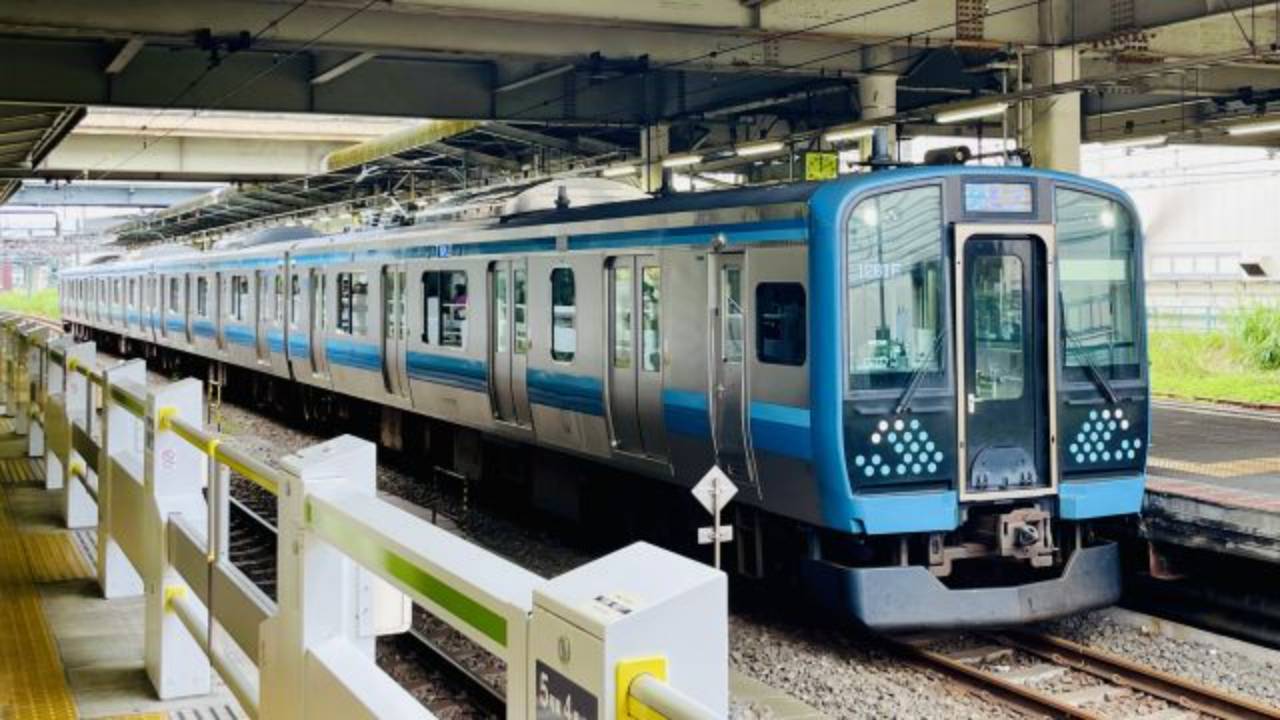
Japanese trains are always. on. time. ⏱️ Even down to the second! It’s not a myth, it’s a real part of daily life.
Let’s find out how Japan pulls this off, and what happens on the rare occasions when the trains run late.
⏰ Precision is Everything
Japan takes its train system seriously. Like, very seriously. Here's why it works:
👉 Timetables are sacred: Train schedules are carefully planned and followed to the second.
👉 Staff training: From drivers to conductors, everyone is trained to stay calm, focused, and efficient.
👉 Technology + human effort: Systems monitor every train’s location in real time, and staff jump in immediately if there’s even a small delay.
👉 Design matters: Stations are easy to navigate, platforms are clearly marked, and everything runs smoothly, even during rush hour.
👉 Culture of punctuality: Being on time is part of Japanese society. People value others' time and expect things to run efficiently.
Even if a train is just 1 minute late, you might hear an announcement and sometimes even get a little apology! 😅
🙇♂️ What happens when trains are late?
It’s rare… but yes, it does happen!
Trains may be delayed by:
- ⚡ Accidents or emergencies (人身事故 jishin jiko)
- ⛅ Natural causes like typhoons, earthquakes, or snow
- 👥 Overcrowding during rush hours
- 🔧 Mechanical issues (though rare)
When delays happen, here’s what you might see:
📄 “遅延証明書” (Chien shōmeisho) a “delay certificate” you can show your employer or school to prove it wasn’t your fault.
🚇 Trains adjust quickly, extra trains or reroutes help get things back on track ASAP.
Listen to my podcast about Quiet trains in Japan!
Your Sensei,
Hikari 👩🏻🏫
Join my ニュースレター Newsletter 📩
You can expect an email from me once a week about Japanese culture.
Don't worry, your information will not be shared.
We hate SPAM. We will never sell your information, for any reason.