JLPT N5 - Grammar 🌟 よ yo (ending particle)
Have you ever shared some exciting news with a friend, only to feel like your sentence ended a bit too… flat?
Maybe you wanted to say, “The train is coming!” or “This cake is amazing!!!”
But instead, it sounded more like a robotic fact than a friendly tip.
In English, we use tone of voice or phrases like “you know” or “I’m telling you” to add that extra spark.
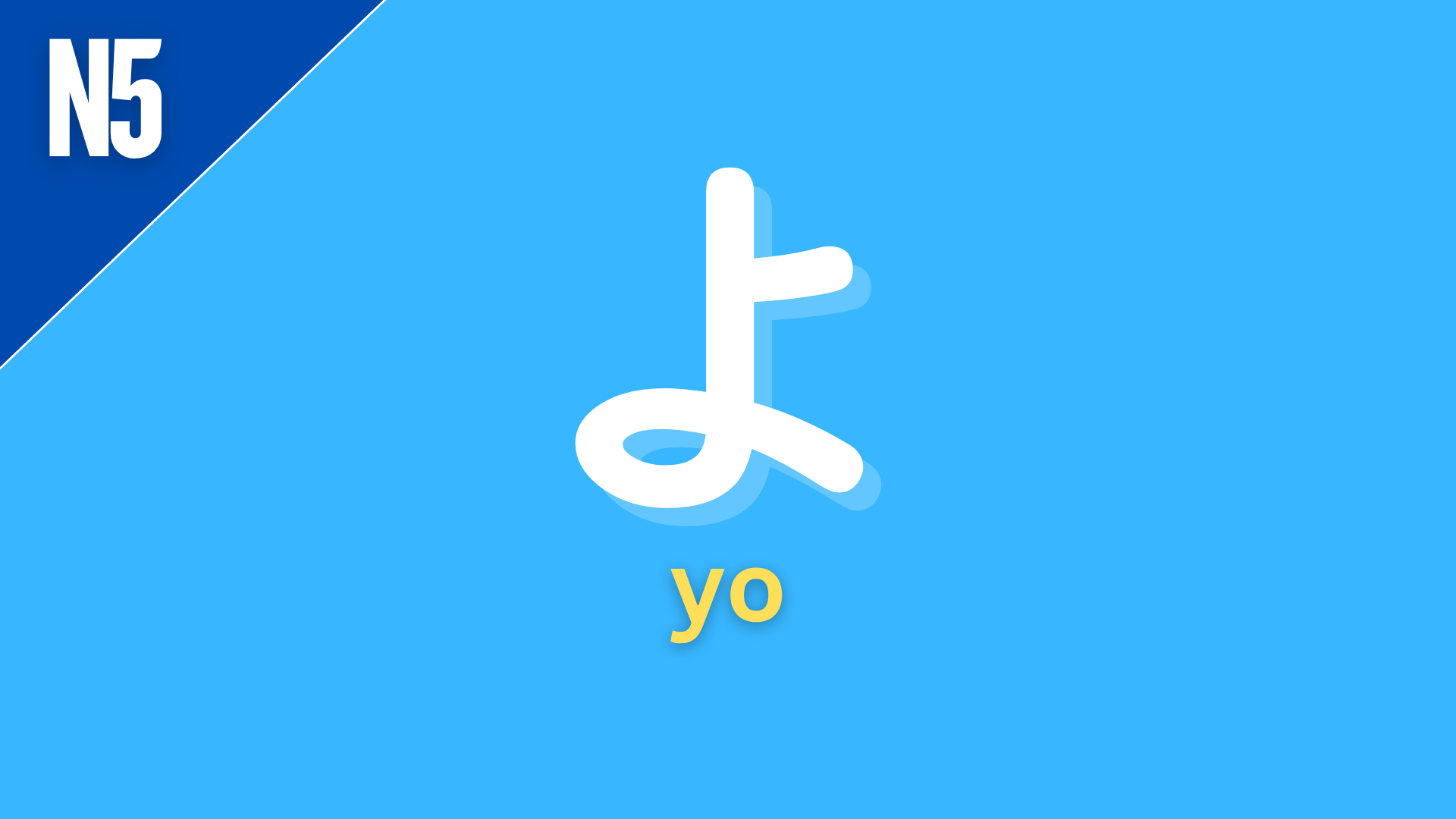
In Japanese, we have a tiny but powerful word for this: よ (yo).
It’s one of the most common sentence-ending particles. Think of it as your “information pointer.”
You use よ when you want to tell the listener something they might not know, when you’re giving advice or a friendly warning, or when you want to add a bit of confidence and emphasis to your own opinion.
Let’s learn how to use よ to make your Japanese sound energetic, helpful, and totally natural!
Ready? Here we go!

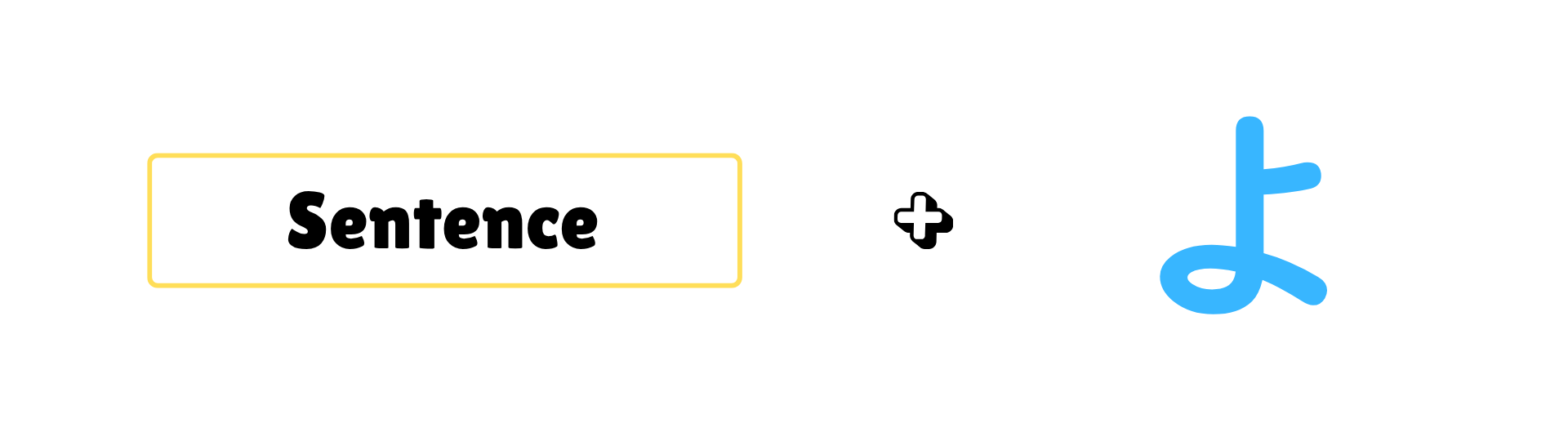

よ (yo) vs ね (ne) vs よね (yo ne)
This is the “Big Three” of Japanese sentence endings. Each one changes the vibe of what you’re saying.
よ(yo): Providing information
You have the information, and you’re giving it to the listener.
→ “I’m telling you!”
おいしいよ!
oishii yo!
It’s delicious! (I’m telling you because you haven’t tried it yet.)
ね(ne): Seeking empathy
You think the listener feels the same way.
→ “Isn’t it?” / “Right?”
おいしいね!
oishii ne!
It’s delicious, isn’t it? (We’re sharing the moment.)
よね(yone): Strong confirmation
You’re pretty sure you’re right, but you’re double-checking.
→ “It was…, right?”
おいしいよね!
oishii yo ne!
It’s delicious, right!? (I know you agree!)
💡 Tip
If you use よ (yo) too strongly or too often with your boss, it can sound a bit pushy, like you’re lecturing them. In polite situations, using ですね (desu ne) often sounds softer and safer.

あそこに猫がいるよ。
あそこ に ねこ が いる よ。
asoko ni neko ga iru yo.
Look, there’s a cat over there.
あぶないよ!気をつけて。
あぶない よ! き を つけて。
abunai yo! ki wo tsukete.
Watch out! Be careful!
このおだんご、とてもおいしいですよ!
この おだんご、 とても おいしい です よ!
kono odango, totemo oishii desu yo!
This sweet rice dumpling is really delicious, I’m telling you!
小林さんの誕生日は明日ですよ。
こばやし さん の たんじょうび は あした です よ。
kobayashi-san no tanjoubi ha ashita desu yo.
Kobayashi-san’s birthday is tomorrow, just so you know.
私は行かないよ。先に行って大丈夫だよ!
わたし は いかない よ。さき に いって だいじょうぶ だ よ!
watashi ha ikanai yo. saki ni itte daijoubu da yo!
I’m not going. Go ahead without me,it’s totally fine!
<Conversation Example>
A:いっしょに飲みに行こうよ!
いっしょに のみに いこう よ!
issho ni nomi ni ikou yo!
Let’s go grab a drink together!
B:いいですね!行きましょう。
いい です ね! いきましょう。
ii desu ne! ikimashou.
That sounds good! Let’s go.

- Grammar Point: よ (yo) (ending particle)
- JLPT Level: N5
- Meaning: You know, I’m telling you, emphasis
- Quick Explanation: Use よ when you want to share new information, give a friendly warning, or emphasize your opinion.
So that’s how we use よ!
It’s the perfect way to sound helpful, confident, and warm in Japanese.
日本語の勉強、がんばっているね。いつも応援しているよ!
にほんご の べんきょう、がんばって いる ね。いつも おうえん している よ!
nihongo no benkyou, ganbatte iru ne. itsumo ouen shiteiru yo!
You’re doing great studying Japanese. I’m always rooting for you!
Now it’s your turn!
Try making your own sentences with よ and let the world know what you’re thinking.
Your Sensei,
Hikari 👩🏻🏫✨
Get Hikari's JLPT Mock Exams & Preparation Lessons!
Whether you are studying to pass the JLPT or looking for a challenge in your learning journey, these courses are perfect for you!
Join my ニュースレター Newsletter 📩
You can expect an email from me once a week about Japanese culture.
Don't worry, your information will not be shared.
We hate SPAM. We will never sell your information, for any reason.