JLPT N5 - Grammar 🌟 ないで naide
Have you ever rushed out of the house only to realize halfway to the station that you forgot your phone?
Or maybe you’re at a coffee shop where everyone is busy adding whipped cream, chocolate powder, and tons of syrup to their drinks, but you decide to go for a bold black coffee without adding a single grain of sugar. That’s the spirit.
In English, we often use the word “without” to describe these situations. In Japanese, that’s where ないで (naide) comes to the rescue.
It’s a super handy expression that helps you say “without doing something” or “don’t do something.” Whether you are explaining how you did an action or asking a friend to stop doing something that’s bothering you, ないで is going to be one of your most-used tools.
Let’s dive into how to use it so you can sound more natural and express exactly what’s happening, or not happening, in your daily life.
Ready? Let’s go.


なくて (nakute) vs ずに (zu ni) vs ないで (naide)
Japanese has several ways to talk about “not doing,” and choosing the right one depends on whether you're giving a reason, describing a method, or writing something formal.
なくて (nakute)
なくて is used for reasons or causes. It connects the fact that something did not happen to the result that followed.
日本語のメニューが読めなくて、困りました。
にほんご の めにゅー が よめなくて、こまりました。
nihongo no menyuu ga yomenakute, komarimashita.
I was in trouble because I couldn’t read the Japanese menu.
ずに (zu ni)
ずに is the formal version of ないで. It means “without doing,” but sounds more literary or stiff. You will often see it in books or news articles. Remember that する becomes せずに.
かさを持たずに外出しました。
かさ を もたずに がいしゅつ しました。
kasa wo motazuni gaishutsu shimashita.
I went out without an umbrella.
ないで (naide)
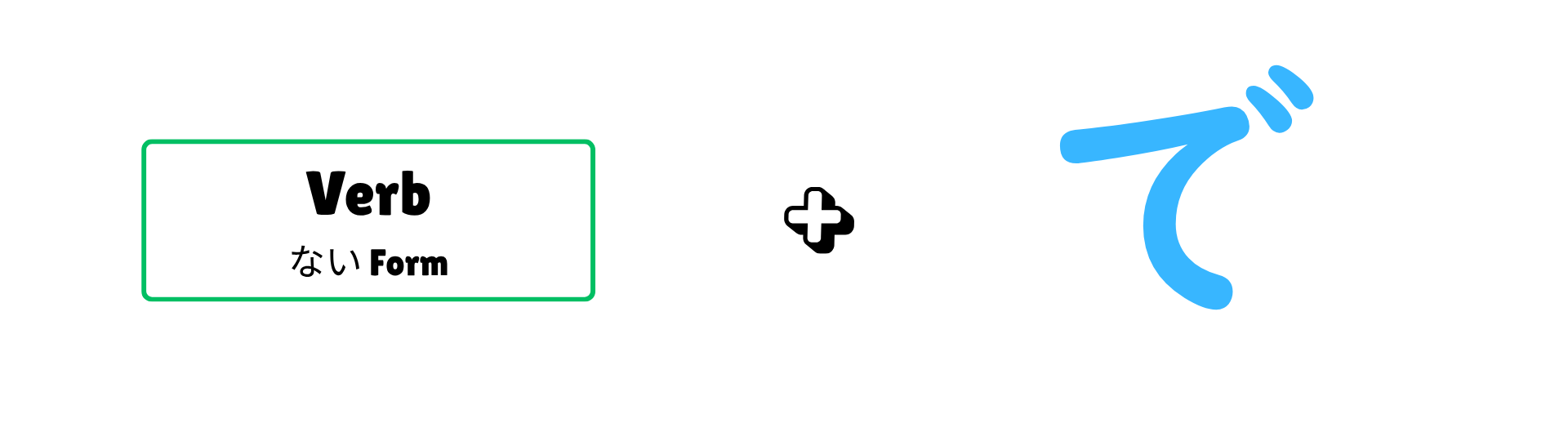
ないで is primarily used for methods or circumstances. It expresses “without doing A, I did B.” It is the most common and natural way to say “without” in everyday conversation.
朝ごはんを食べないで、学校に 行きました。
あさごはん を たべないで、がっこう に いきました。
asagohan wo tabenaide, gakkou ni ikimashita.
I went to school without eating breakfast.
Negative Requests and Commands :ないで + ください
This pattern is used when you want to ask someone not to do something.
The polite form is ないでください, but among close friends you can simply say ないで.
It expresses “please don’t do …” or “don’t do …” depending on the tone.
ここで写真を とらないでください。
ここ で しゃしん を とらないで ください。
koko de shashin wo toranaide kudasai.
Please don't take photos here.
無理しないで!
むり しないで!
muri shinaide.
Don’t push yourself too hard. (Casual)

スマホを持たないで外出してしまった。
すまほ を もたないで がいしゅつ して しまった。
sumaho wo motanaide gaishutsu shite shimatta.
I ended up going out without taking my phone.
砂糖を 入れないで コーヒーを 飲みます。
さとう を いれないで こーひー を のみます。
satou wo irenaide koohii wo nomimasu.
I drink coffee without putting in sugar.
恥ずかしがらないで、 大丈夫ですよ。
はずかしがらないで、 だいじょうぶ です よ。
hazukashigaranaide, daijoubu desu yo.
Don’t be shy. It’s okay.
ここに ゴミを 捨てないでください。
ここ に ごみ を すてないで ください。
koko ni gomi wo sutenaide kudasai.
Please don’t throw trash here.
テスト中は、 隣の人と 話さないでください。
てすと ちゅう は、 となり の ひと と はなさないで ください。
tesuto chuu wa, tonari no hito to hanasanaide kudasai.
During the test, please don’t talk to the person next to you.
私に うそを つかないで。
わたし に うそ を つかないで。
watashi ni uso wo tsukanaide.
Don’t lie to me.

- Grammar Point: ないで (naide)
- JLPT Level: N5
- Meaning: Without doing, don’t
- Quick Explanation: Use ないで when you perform an action without doing another action first, or when you are requesting or telling someone not to do something.
So that’s how we use ないで!
It’s a perfect way to add detail to your sentences and clearly explain how you did something, or politely ask someone not to do something. It’s simple, but you’ll use it all the time in daily conversation!
いつでも私がここにいること、忘れないでくださいね!
いつでも わたし が ここ に いる こと、わすれないで ください ね!
itsudemo watashi ga koko ni iru koto, wasurenaide kudasai ne!
Please don’t forget that I am always here for you!
Now it’s your turn!
Try making your own sentences with ないで and tell me what you did today without doing something else!
Your Sensei,
Hikari 👩🏻🏫✨
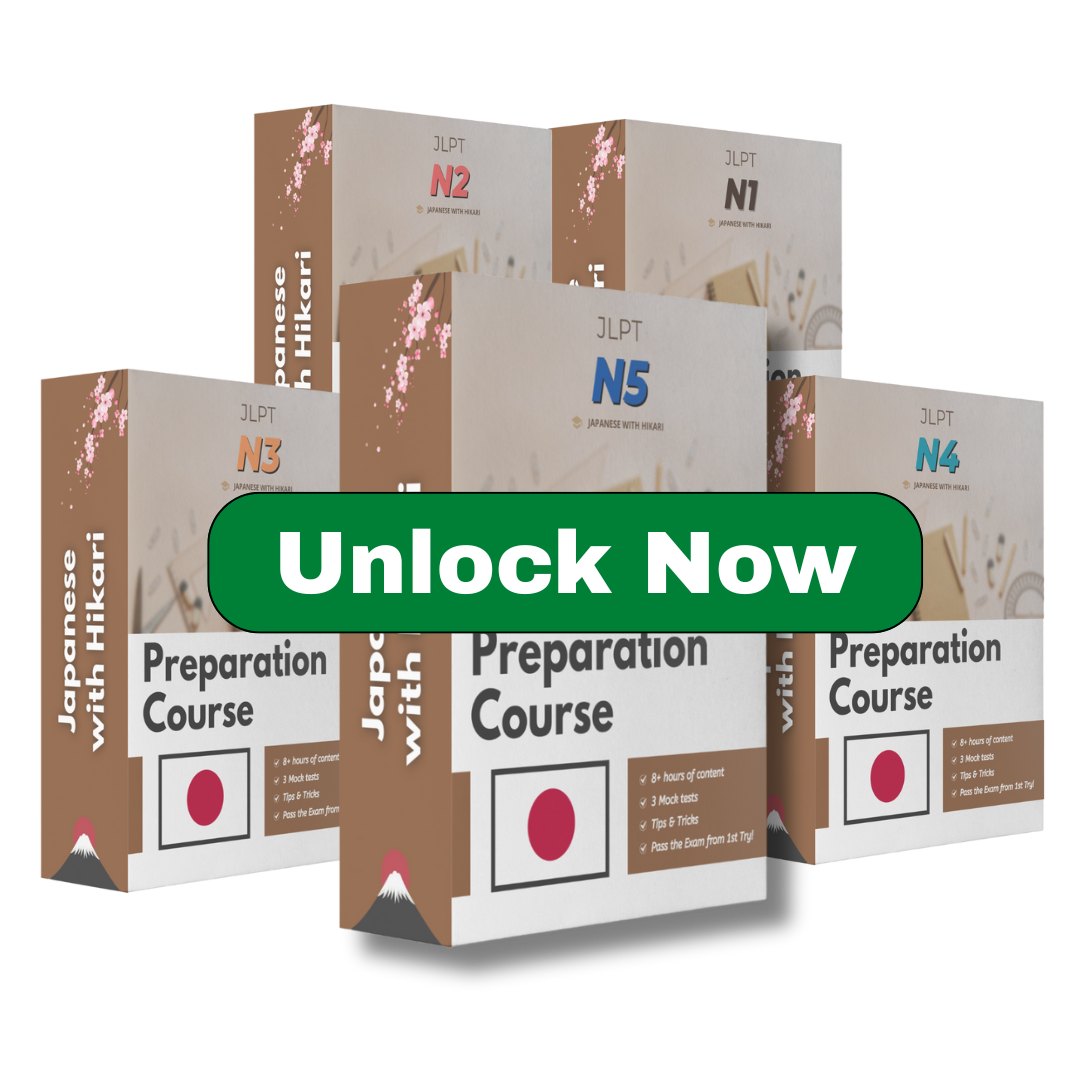
Get Hikari's JLPT Mock Exams & Preparation Lessons!
Whether you are studying to pass the JLPT or looking for a challenge in your learning journey, these courses are perfect for you!
Join my ニュースレター Newsletter 📩
You can expect an email from me once a week about Japanese culture.
Don't worry, your information will not be shared.
We hate SPAM. We will never sell your information, for any reason.