JLPT N5 Grammar: 一緒に (Issho ni) Meaning and Uses
What does issho ni (一緒に) mean in Japanese?
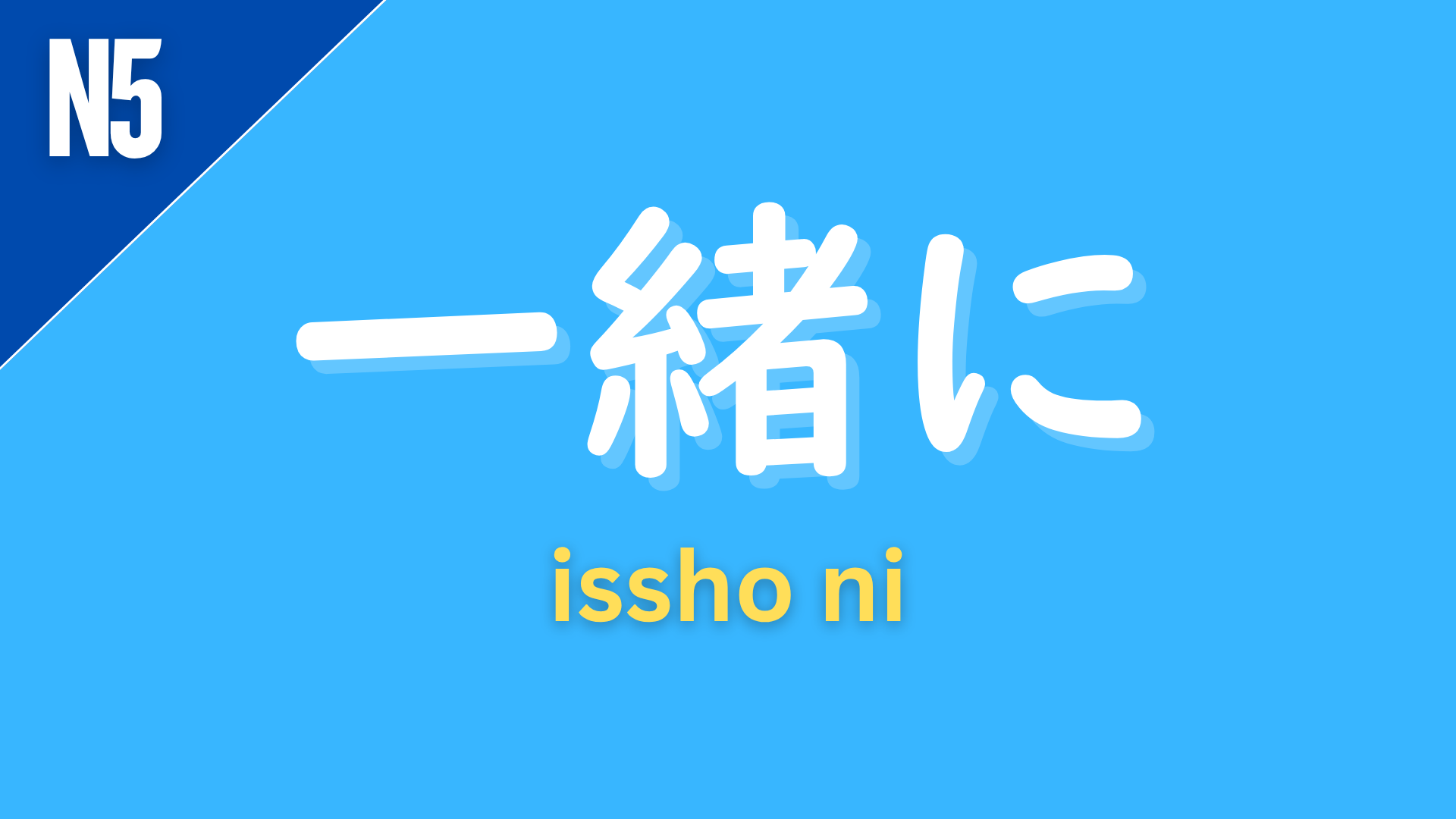
Issho ni (一緒に / いっしょに), also written “isshoni”, means “together” or “with” in Japanese.
- “Together”:
一緒に勉強しましょう。
Issho ni benkyou shimashou. (Let’s study together.) - “With someone” (と一緒に):
友達と一緒にラーメンを食べました。
Tomodachi to issho ni raamen o tabemashita. (I ate ramen with a friend.) - Inviting someone (一緒に〜ませんか):
一緒に行きませんか。
Issho ni ikimasen ka. (Would you like to go together?)
Have you ever felt that everything is just a little bit better when you’re not alone?
Maybe you want to invite a friend to grab some delicious ramen, or perhaps you want to study for the JLPT with a classmate so you don't fall asleep over your kanji practice!
In those moments, you need a special word to say "together." That word is 一緒に (いっしょに / issho ni)!
It’s one of the most useful N5 expressions because it helps you connect with people. Whether you are making plans, sharing a meal, or even just paying the bill at a restaurant, 一緒に is your go-to phrase for doing things as a team.
Let’s dive in and learn how to use it so you can start inviting your Japanese friends out with confidence!
Ready? Here we go!



と (to) vs と一緒に (to issho ni)
Both of these are used when you do something "with" someone, but there is a small difference in focus!
と (to)
と simply marks the person you are with. It is neutral and factual.
友達と ごはんを食べます。
ともだち と ごはん を たべます。
tomodachi to gohan wo tabemasu.
I eat a meal with my friend.
と一緒に (to issho ni)
一緒に acts like an adverb that describes how you are doing the action. It emphasizes the act of doing it together as a shared experience or joint effort. It sounds much more friendly and social!
友達と一緒に ごはんを食べます。
ともだち と いっしょに ごはん を たべます。
tomodachi to issho ni gohan wo tabemasu.
I eat a meal together with my friend.

一緒に日本語を勉強しましょう。
いっしょに にほんご を べんきょう しましょう。
issho ni nihongo wo benkyou shimashou.
Let's study Japanese together.
家族と一緒にテレビを見ます。
かぞく と いっしょに てれび を みます。
kazoku to issho ni terebi wo mimasu.
I watch TV together with my family.
田中くんは彼女と一緒に住んでいます。
たなかくん は かのじょ と いっしょに すんでいます。
tanakakun ha kanojo to issho ni sunde imasu.
Tanaka-kun lives together with his girlfriend.
一緒に写真を撮りませんか?
いっしょに しゃしん を とりません か?
issho ni shashin wo torimasen ka?
Would you like to take a photo together?
申込書と写真を一緒にメールで送ってください。
もうしこみしょ と しゃしん を いっしょに めーる で おくってください。
moushikomisho to shashin wo issho ni meeru de okutte kudasai.
Please send the application form and the photo together by email.

- Grammar Point: 一緒に (いっしょに / issho ni)
- JLPT Level: N5
- Meaning: Together, with
- Quick Explanation: 一緒に is an adverb used to express that an action is being done with someone else or that multiple items are being handled at the same time.
So that’s how we use 一緒に!
It’s a wonderful word that brings people together. Japanese is much more fun when we learn it as a community!
これからも 私と一緒に 楽しく日本語を勉強しましょう!
これからも わたし と いっしょに たのしく にほんご を べんきょう しましょう!
korekara mo watashi to issho ni tanoshiku nihongo wo benkyou shimashou.
From now on, let’s continue to have fun studying Japanese together!
Now it’s your turn! Try using 一緒に in your own sentences today. Who will you invite to do something with you?
Your Sensei,
Hikari 👩🏻🏫✨
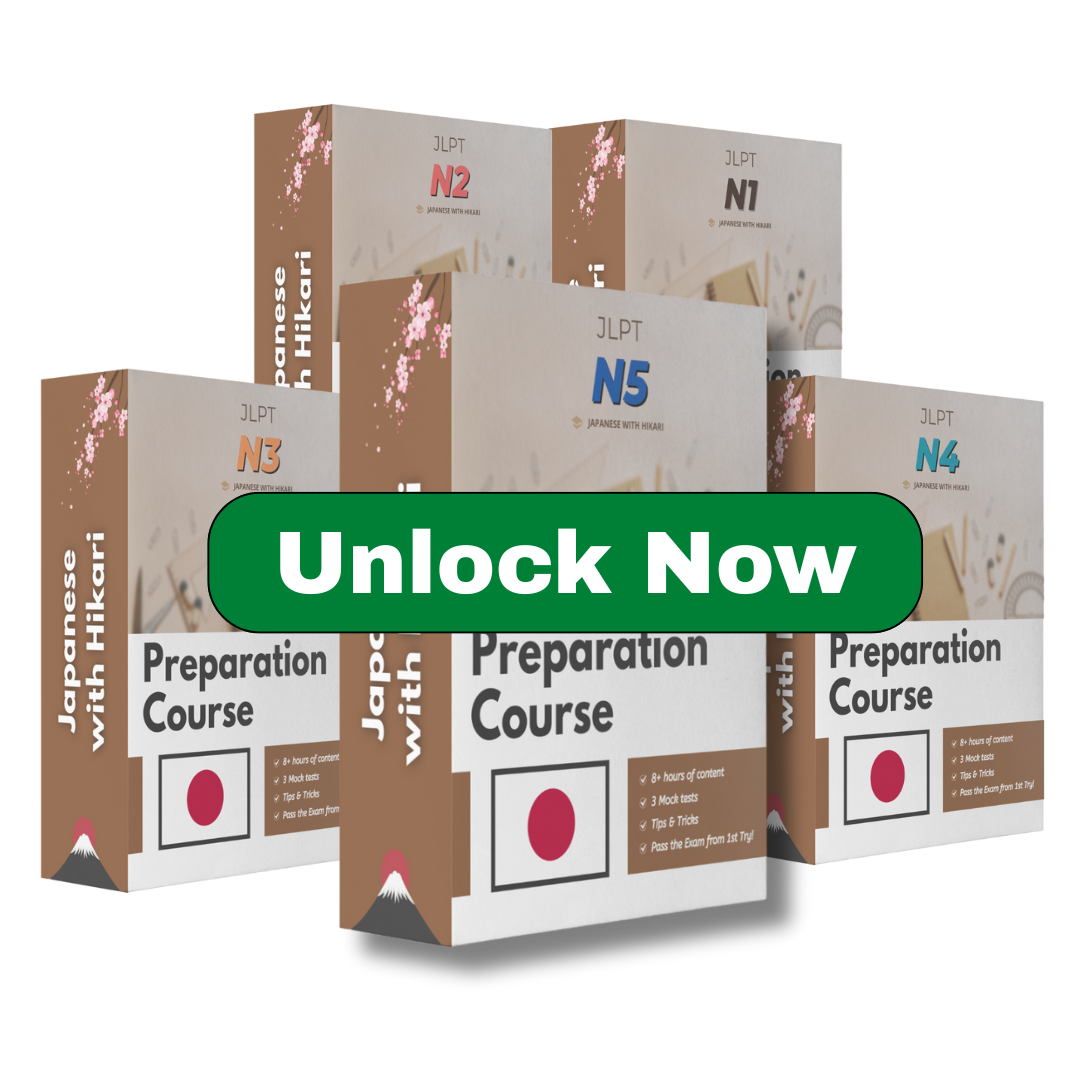
Get Hikari's JLPT Mock Exams & Preparation Lessons!
Whether you are studying to pass the JLPT or looking for a challenge in your learning journey, these courses are perfect for you!
Join my ニュースレター Newsletter 📩
You can expect an email from me once a week about Japanese culture.
Don't worry, your information will not be shared.
We hate SPAM. We will never sell your information, for any reason.