JLPT N4 - Grammar 🌟 ようにする you ni suru
Have you ever had one of those “This is the new me!” moments?
Maybe it’s the start of a brand new year, or maybe you just booked your flight for a dream study abroad trip to Japan next year.
Suddenly, you feel motivated to change your daily habits, and you might think…
“I’m going to study Japanese every morning for at least 30 minutes!”
Even small things count, too.
For example, if you’ve noticed that you’ve been forgetting things more often lately, you might start reminding yourself to check your bag every morning so you never forget your keys.
But deciding to do something and actually making the effort to keep doing it are not the same, right?
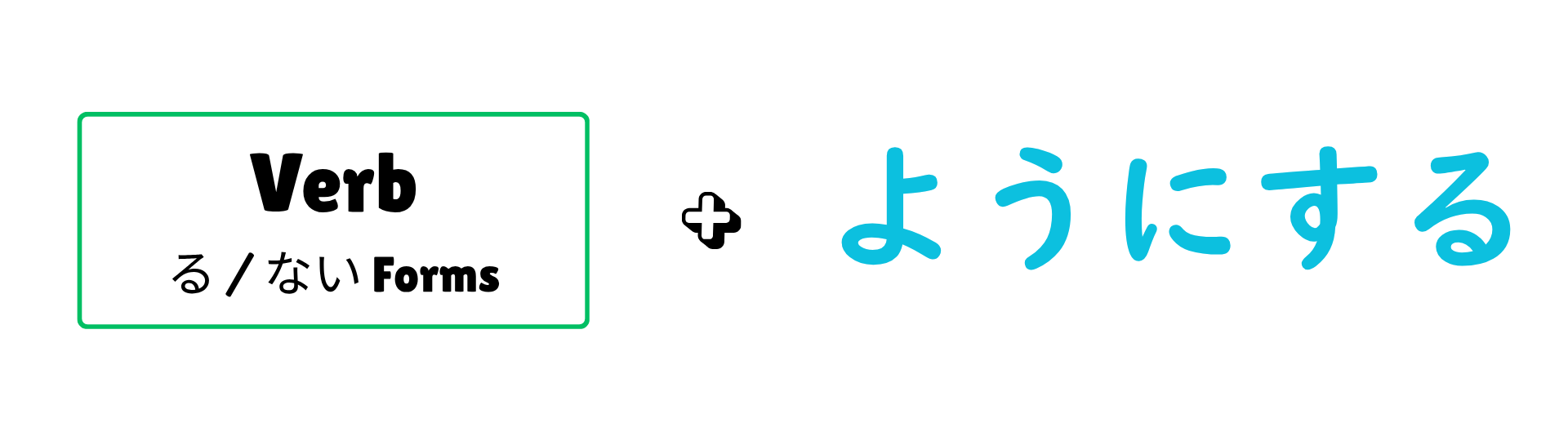
In Japanese, when we want to talk about this kind of conscious effort, daily habit, or intention, we use ようにする (you ni suru).
It’s a perfect grammar point for learners who are trying their best, little by little, every day.
Let’s dive in and see how to express that “trying” spirit!


ことにする (koto ni suru) vs ようになる (you ni naru) vs ようにする (you ni suru)
All three expressions are related to change, but they focus on different stages of that change.
ことにする (koto ni suru)
This expression focuses on making a decision.
It describes the moment you decide something in your mind.
夢の実現のため、来年日本に留学することにする。
ゆめ の じつげん の ため、らいねん にほん に りゅうがく する こと に する。
yume no jitsugen no tame, rainen nihon ni ryuugaku suru koto ni suru.
I decide to study abroad in Japan next year.
Use ことにする when you want to talk about your choice or decision.
ようになる (you ni naru)
This expression focuses on a change that happens over time.
It describes reaching a new state, ability, or habit as a result.
毎日練習して、日本語が話せるようになる。
まいにち れんしゅう して、にほんご が はなせる よう に なる。
mainichi renshuu shite, nihongo ga hanaseru you ni naru.
I become able to speak Japanese by practicing every day.
Use ようになる when you want to describe the result or outcome of change.
ようにする (you ni suru)
This expression focuses on conscious effort and intention.
It describes what you actively try to do in order to reach a goal.
来年日本に留学するので、毎日1時間は勉強するようにする。
らいねん にほん に りゅうがく する ので、まいにち 1じかん は べんきょう する よう に する。
rainen nihon ni ryuugaku suru node, mainichi ichijikan ha benkyou suru you ni suru.
Since I’m going to study abroad in Japan, I try to study for at least an hour every day.
Use ようにする when you want to talk about your ongoing effort or habit.

忘れ物をしないようにする。
わすれもの を しない ように する。
wasuremono wo shinai you ni suru.
I’ll try not to forget things.
これからは夜9時以降は食べないようにする。
これから は よる きゅうじ いこう は たべない ように する。
korekara ha yoru kuji ikou ha tabenai you ni suru.
From now on, I’ll try not to eat after 9 p.m.
分からない単語があったら、すぐに調べるようにします。
わからない たんご が あったら、すぐ に しらべる ように します。
wakaranai tango ga attara, sugu ni shiraberu you ni shimasu.
If there’s a word I don’t understand, I’ll make sure to look it up right away.
移動のときは、日本語のポッドキャストを聞くようにしている。
いどう の とき は、にほんご の ぽっどきゃすと を きく ように している。
idou no toki ha, nihongo no poddokyasuto wo kiku you ni shiteiru.
When I’m commuting, I make it a habit to listen to Japanese podcast.
健康のために、できるだけ階段を使うようにしています。
けんこう の ため に、できるだけ かいだん を つかう ように しています。
kenkou no tame ni, dekiru dake kaidan wo tsukau you ni shiteimasu.
For my health, I try to use the stairs as much as possible.
電車の中では静かにするようにしてください。
でんしゃ の なか では しずか に する ように して ください。
densha no naka deha shizuka ni suru you ni shite kudasai.
Please make an effort to stay quiet on the train.

- Grammar Point: ようにする (you ni suru)
- JLPT Level: N4
- Meaning: To try to, to make an effort to, to make it a habit to
- Quick Explanation: ようにする is used when you talk about conscious effort, intentional habits, or things you’re trying to do regularly.
So that’s how we use ようにする!
It’s a very gentle and human expression that shows effort, not perfection.
勉強は大変なこともあるけど、楽しむ気持ちは忘れないようにしてね!
べんきょう は たいへん な こと も ある けど、たのしむ きもち は わすれない ように して ね!
benkyou ha taihen na koto mo aru kedo, tanoshimu kimochi ha wasurenai you ni shite ne!
Studying can be tough sometimes, but try to keep enjoying the process.
Now it’s your turn!
Try making one sentence about a habit you’re trying to build using ようにする.
Small efforts really do add up!
Your Sensei,
Hikari 👩🏻🏫✨
Get Hikari's JLPT Mock Exams & Preparation Lessons!
Whether you are studying to pass the JLPT or looking for a challenge in your learning journey, these courses are perfect for you!
Join my ニュースレター Newsletter 📩
You can expect an email from me once a week about Japanese culture.
Don't worry, your information will not be shared.
We hate SPAM. We will never sell your information, for any reason.