JLPT N4 - Grammar 🌟 やすい yasui
Have you ever bought a new pair of shoes and thought, "Wow, these are so easy to walk in!" or tried on a new outfit and felt like, "This is so easy to move in!"? It’s the best feeling when clothes aren’t just stylish but also super functional and "motion-friendly," right?
On the flip side, have you ever noticed how certain white shirts are just magnets for stains? It's like they’re just waiting for a drop of coffee!
That’s where やすい (yasui) comes in!
It’s a super handy expression that means “easy to,” “likely to,” or “prone to.”
While you might already know the word "安い(やすい)" as "cheap", when we use it as a grammar point, it’s all about how smoothly an action happens or how easily a certain state occurs.
Let’s explore how to use this versatile and practical phrase to talk about the world around you in Japanese!

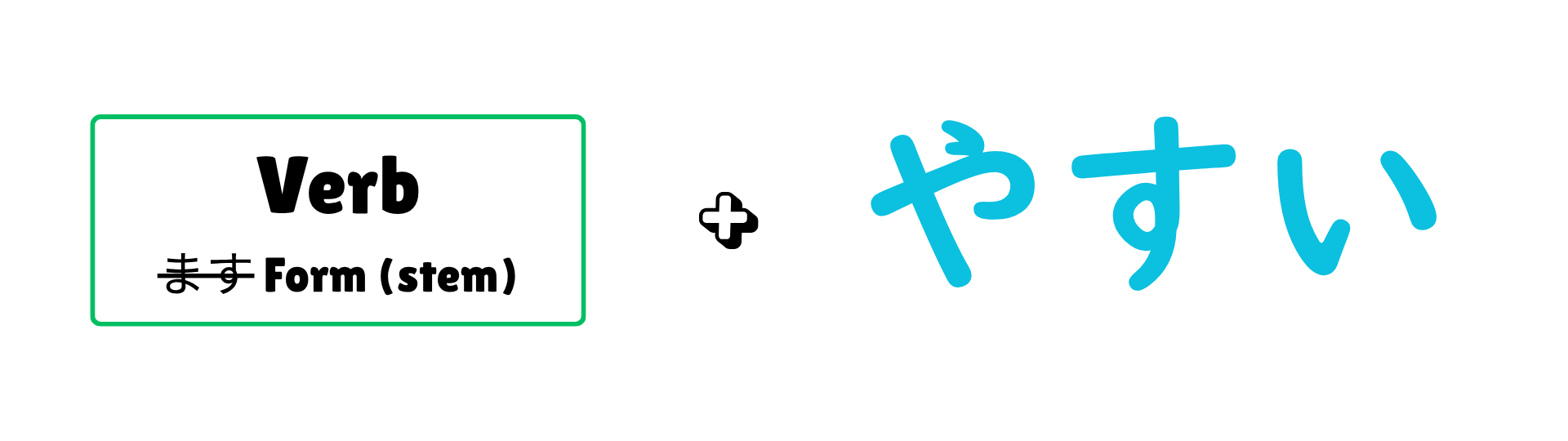

Antonym: にくい (nikui)
If you want to say the opposite, that something is "difficult to do / hard to do", you can use にくい.
It follows the exact same structure!
このペンは書きにくい。
この ぺん は かきにくい。
kono pen ha kakinikui.
This pen is hard to write with.
がち (gachi) vs やすい (yasui)
Both can mean "tend to," but がち is almost always used for negative tendencies, while やすい describes a natural property or objective frequency.
がち (gachi)
がち focuses on a "habit" or a "negative tendency" that happens often.
最近、風邪をひきがちだ。
さいきん、かぜ を ひきがち だ。
saikin, kaze wo hikigachi da.
Lately, I've been tending to catch colds. (A negative trend or habit)
やすい (yasui)
やすい focus on the "nature" or "physical property" of the object.
冬は風邪をひきやすい。
ふゆ は かぜ を ひきやすい。
fuyu ha kaze wo hikiyasui.
It is easy to catch a cold in winter. (Natural frequency/condition)


この靴は軽くて、とても歩きやすいです。
この くつ は かるくて、とても あるきやすい です。
kono kutsu ha karukute, totemo arukiyasui desu.
These shoes are light and very easy to walk in.
このエリアは、近くにスーパーもドラッグストアもコンビニもあるので、住みやすいです。
この えりあ は、ちかく に すーぱー も どらっぐすとあ も こんびに も ある ので、すみやすい です。
kono eria ha, chikaku ni suupaa mo doraggusutoa mo konbini mo aru node, sumiyasui desu.
This area is easy to live in because there are supermarkets, drugstores, and convenience stores nearby.
白いシャツは汚れが目立ちやすいですよね。
しろい しゃつ は よごれ が めだちやすい ですよね。
shiroi shatsu ha yogore ga medachiyasui desu yo ne.
White shirts get dirty easily, don't they?
この食器は割れやすいので、気をつけてください。
この しょっき は われやすい ので、き を つけて ください。
kono shokki ha wareyasui node, ki wo tsukete kudasai.
This tableware breaks easily, so please be careful.
忙しい時は、ミスをしやすいので注意しましょう。
いそがしい とき は、みす を しやすい ので ちゅうい しましょう。
isogashii toki ha, misu wo shiyasui node chuui shimashou.
It is easy to make mistakes when you are busy, so let's be careful.
その店員は、親切で話しがしやすかった。
その てんいん は、しんせつ で はなし が しやすかった。
sono tenin ha, shinsetsu de hanashi ga shiyasukatta.
That shop assistant was kind and easy to talk to.

- Grammar Point: やすい (yasui)
- JLPT Level: N4
- Meaning: Easy to, likely to, prone to
- Quick Explanation: やすい is used to show that something is physically or mentally easy to do, or that a certain phenomenon is likely to happen due to an object's nature.
So that’s how we use やすい!
It’s a great way to describe the things around you and how they behave. Whether something is easy to use or just prone to breaking, this little word does a lot of work!
今日の説明は、わかりやすかったですか?
きょうの せつめい は、わかりやすかった です か?
kyou no setsumei ha, wakariyasukatta desu ka?
Was today's explanation easy to understand?
Now, why don't you try looking around your room and finding something that is やすい?
Your Sensei,
Hikari 👩🏻🏫✨
Get Hikari's JLPT Mock Exams & Preparation Lessons!
Whether you are studying to pass the JLPT or looking for a challenge in your learning journey, these courses are perfect for you!
Join my ニュースレター Newsletter 📩
You can expect an email from me once a week about Japanese culture.
Don't worry, your information will not be shared.
We hate SPAM. We will never sell your information, for any reason.