JLPT N4 - Grammar 🌟 てみる te miru
Have you ever wanted to say “I’ll try it!” in Japanese?
Maybe you spot a seasonal sweet at your favorite cafe, find a cute outfit, discover an unfamiliar Japanese snack while traveling, or come across a beautiful hiking trail, and you’re thinking, “I’ll try it and see what it’s like!”
That’s when てみる (te miru) becomes your perfect expression!
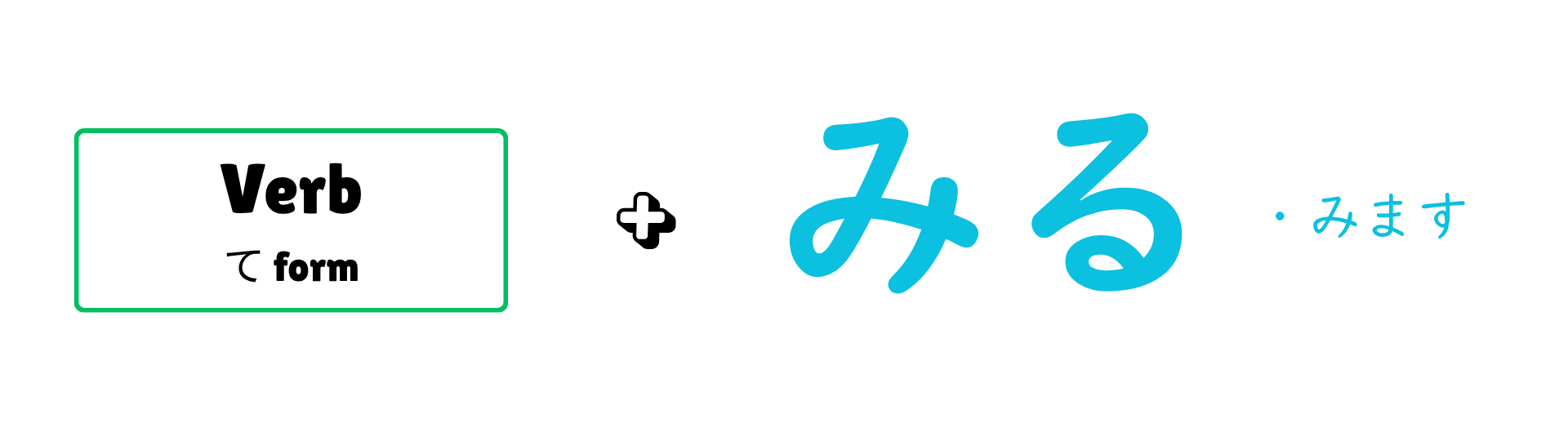
This phrase means “to try doing something”, but not in the sense of making an effort or attempting something difficult.
Instead, it’s used when you actually try something out to see what happens, how it feels, or whether you like it.
Imagine moments like trying a new ramen shop to see if it’s good, tasting a food you’ve never eaten before, visiting a place for the first time to check its atmosphere, or testing a new app or tool to see how it works.
In all of these situations, てみる is exactly what Japanese speakers use.
It’s friendly, fun, and one of the most practical N4 grammar patterns because it helps you talk about new experiences, big or small.
Ready to learn how to express “trying something out” naturally in Japanese?
Let’s check it out!


てみたい (te mitai) vs てみる (te miru)
Both てみたい and てみる relate to “trying” something, but the nuance is not the same.
Using the right one helps you express whether you're talking about a future desire or an actual action.
てみたい (te mitai) - I want to try (doing something)
Use てみたい when you haven’t done the action yet, but you want to try it in the future.
It expresses desire or interest, not an action you’ve actually done.
Think of it as the “I’d like to try…” feeling.
いつか 納豆を 食べてみたい。
いつか なっとう を たべてみたい。
itsuka nattou wo tabetemitai.
Someday, I want to try eating natto.
(You haven’t tried it yet, but you're curious!
てみる (te miru) - Try doing (something)
Use てみる when you actually try something out to see what happens or how it feels.
It describes a real action, not just a desire.
納豆を 食べてみる。
なっとう を たべてみる。
nattou wo tabetemiru.
I’ll try eating natto.
(You’re really going to try it now!)

気分転換に、隣の駅まで歩いてみる。
きぶんてんかん に、となり の えき まで あるいてみる。
kibuntenkan ni, tonari no eki made aruite miru.
For a change of pace, I’ll try walking to the next station.
その新しいアプリ、使ってみます。
その あたらしい あぷり、つかってみます。
sono atarashii apuri, tsukatte mimasu.
I’ll try using that new app.
音楽の趣味を探しているの? ギター、弾いてみる?
おんがく の しゅみ を さがしている の? ぎたー、ひいてみる?
ongaku no shumi wo sagashiteiru no? gitaa, hiite miru?
Looking for a new hobby in music? Want to try playing the guitar?
この解説がまだ理解できないので、先生に聞いてみます。
この かいせつ が まだ りかい できない ので、せんせい に きいてみます。
kono kaisetsu ga mada rikai dekinai no de, sensei ni kiitemimasu.
I still don’t really understand this explanation, so I’ll try asking my teacher.
<Conversation Example>
A:
ご注文は、いつものブレンドコーヒーですか?
ごちゅうもん は、いつも の ぶれんどこーひー です か?
gochuumon ha, itsumo no burendo koohii desu ka?
Will you have your usual blend coffee?
B:
今日はちょっと気分的に何か変えたいんですよね。あ! 新作の スパイスラテにしてみます。
きょう は ちょっと きぶんてき に なにか かえたい ん です よ ね。あ! しんさく の すぱいすらて に してみます。
kyou ha chotto kibunteki ni nanika kaetai n desu yo ne. a! shinsaku no supaisu rate ni shitemimasu.
I feel like changing things up a bit today. Ah! I’ll try the new spiced latte.

- Grammar Point: てみる (te miru)
- JLPT Level: N4
- Meaning: To try doing something, to try something out
- Quick Explanation: てみる is used when you actually try something to see what happens, how it feels, or whether you like it. It’s perfect for testing a new app, trying a new food, visiting a place for the first time, or exploring a new hobby.
So that’s how we use てみる!
It’s a friendly, everyday expression that helps you talk about trying something out — one of the most natural ways to describe new experiences in Japanese.
今日、仕事の後に、コンビニのケーキを食べてみる。
きょう、しごとのあとに、こんびにのけーきをたべてみる。
Kyou, shigoto no ato ni, konbini no keeki o tabete miru.
Today, after work, I will try eating a convenience store cake.
Try using てみる the next time you want to talk about trying something new.
Your Japanese will sound more natural, curious, and full of life!
Your Sensei,
Hikari 👩🏻🏫✨
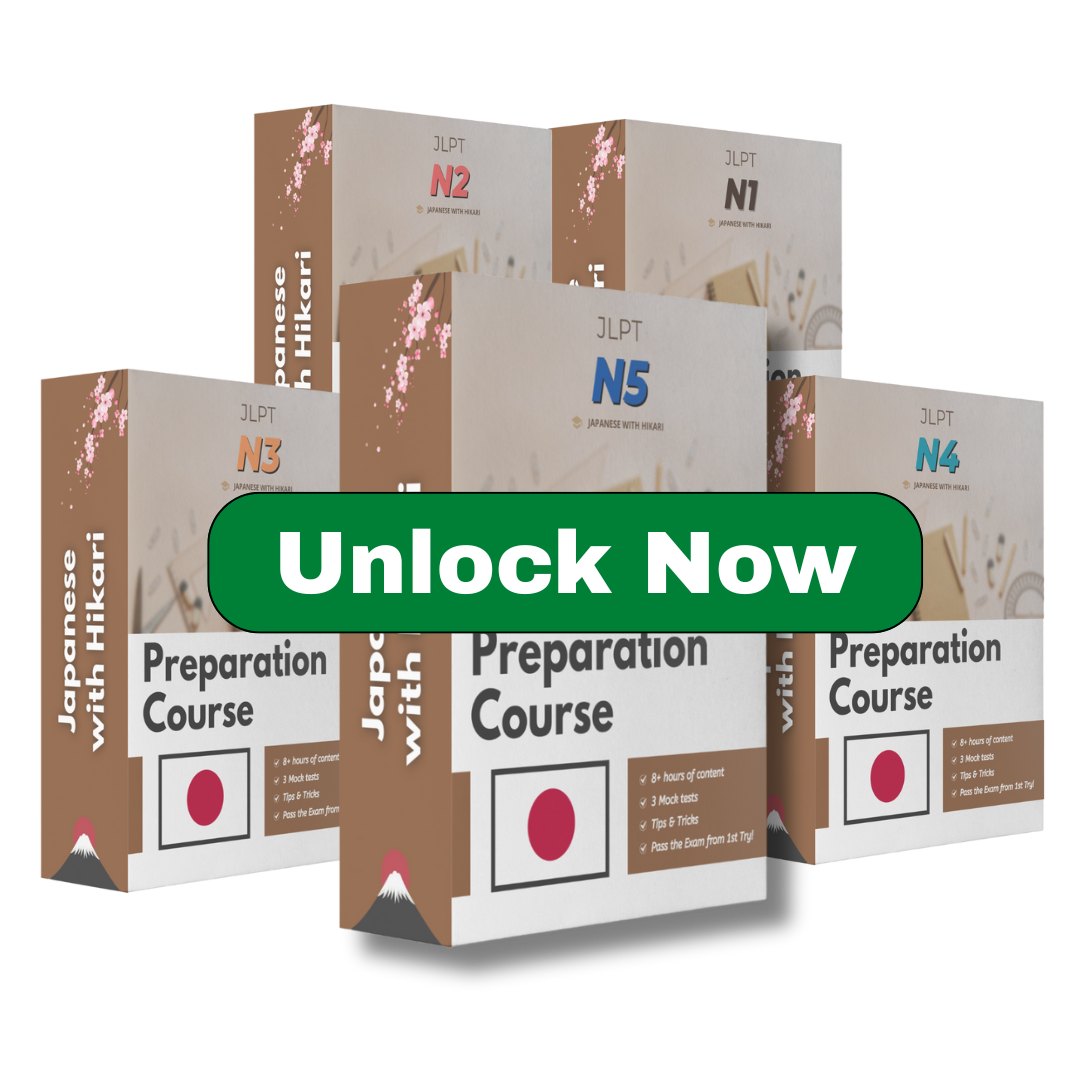
Get Hikari's JLPT Mock Exams & Preparation Lessons!
Whether you are studying to pass the JLPT or looking for a challenge in your learning journey, these courses are perfect for you!
Join my ニュースレター Newsletter 📩
You can expect an email from me once a week about Japanese culture.
Don't worry, your information will not be shared.
We hate SPAM. We will never sell your information, for any reason.