JLPT N4 - Grammar 🌟 ているところ teiru tokoro

Have you ever wanted to say “I’m right in the middle of doing something” in Japanese?
Maybe someone calls you and says,
“Hey, are you free? Want to hang out this weekend?”
…right when you’re trying not to burn your dinner on the stove.
Or maybe your friend texts you:
“We’re starting an online game now, join us!!”
…but you’re deep in Japanese study mode with your textbook open and a cup of coffee next to you.
In moments like these, you want to say:
“I’m literally doing something right now!”
That’s exactly when ているところ (teiru tokoro) becomes your lifesaver.
It lets you express “I’m in the middle of doing something at this very moment”, naturally, politely, and just like a native speaker.
Ready to learn how to use it?
Let’s jump in!

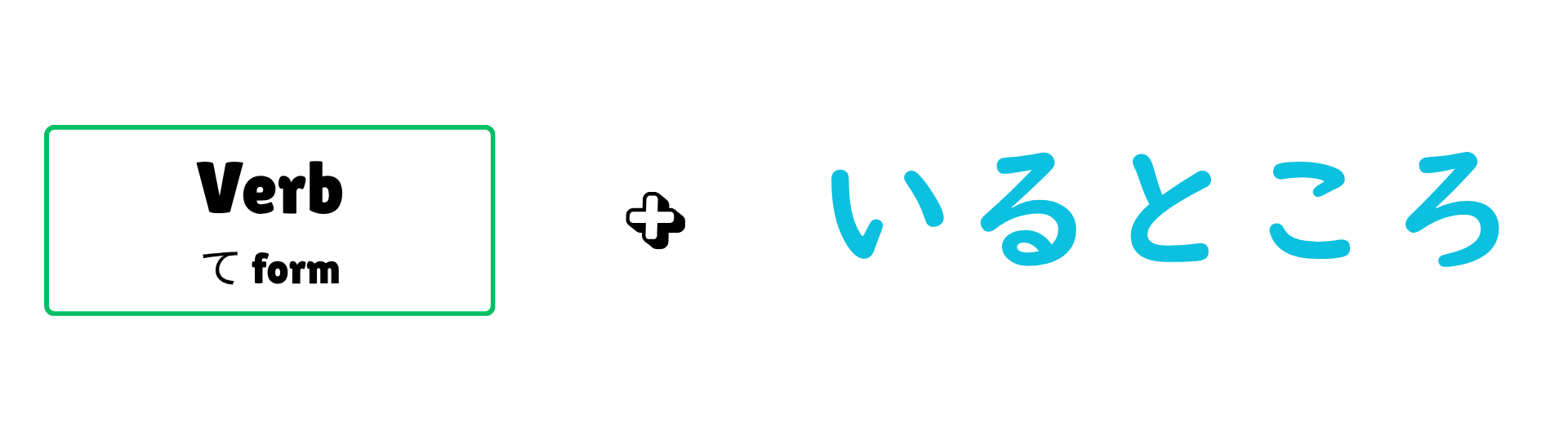

ている (te iru) vs ているところ (te iru tokoro)
Both ている and ているところ describe ongoing actions, but the nuance between them is surprisingly different. Understanding this distinction helps your Japanese sound more natural and precise.
ている (te iru)
ている expresses an action or state that is continuing. It can describe something happening right now, a repeated or habitual action, or even a state that results from a past action. Because it’s flexible, it doesn’t focus on the exact moment, it simply tells us that something is ongoing.
母は 料理を している。
はは は りょうり を している。
haha ha ryouri wo shiteiru.
My mother is cooking. (general ongoing action)
ているところ (te iru tokoro)
Meanwhile, ているところ highlights that the action is happening right now, at this exact moment. It adds a sense of explanation or emphasis, perfect when someone asks what you’re doing, or when you want to show you’re in the middle of something. It’s more specific and focused than ている.
母は 料理を しているところです。
はは は りょうり を している ところ です。
haha ha ryouri wo shiteiru tokoro desu.
My mother is in the middle of cooking right now.
💡 Quick Tips
ている can be used for states and natural phenomena, like 雨が降っている(あめ が ふっている / ame ga futteiru.) : It’s raining.
ているところ is only for actions someone is actively doing right now. You can’t use ているところ for natural phenomena or states!

日本語の 勉強を しているところです。
にほんご の べんきょう を している ところ です。
nihongo no benkyou wo shiteiru tokoro desu.
I’m in the middle of studying Japanese.
駅で 電車を 待っているところです。
えき で でんしゃ を まっている ところ です。
eki de densha wo matteiru tokoro desu.
I’m waiting for the train at the station right now.
旅行用の 荷物を 詰めているところです。
りょこうよう の にもつ を つめている ところ です。
ryokouyou no nimotsu wo tsumeteiru tokoro desu.
I’m packing my luggage for the trip right now.
<Conversation Example>
A:
この 荷物 運ぶの 手伝ってほしいんですが、 今 いいですか?
この にもつ はこぶ の てつだってほしい ん です が、 いま いい です か?
kono nimotsu hakobu no tetsudattehoshii n desu ga, ima ii desu ka?
Could you help me carry this? Is now a good time?
B:
すみません、 今 これを コピーしているところなので、 終わってからで いいですか?
すみません、 いま これ を こぴーしている ところ な の で、 おわって から で いい です か?
sumimasen, ima kore wo kopiishiteiru tokoro na no de, owatte kara de ii desu ka?
Sorry, I’m in the middle of copying this. Is it okay if I help after I finish?
A:
ハチ公前 ついたよ。 今 どこ?
はちこうまえ ついた よ。 いま どこ?
hachikoumae tsuita yo. ima doko?
I’m at Hachiko now! Where are you?
B:
電車を 降りて、 向かっているところです。
でんしゃ を おりて、 むかっている ところ です。
densha wo orite, mukatteiru tokoro desu.
I just got off the train and I’m on my way right now.

- Grammar Point: ているところ (te iru tokoro)
- JLPT Level: N4
- Meaning: In the middle of doing, in the process of doing something
- Quick Explanation: Use ているところ when you want to emphasize that an action is happening right now, at this very moment.
So that’s how we use ているところ!
It’s the perfect expression for saying you’re right in the middle of doing something, whether you’re studying, cooking, getting ready for a trip, or heading to meet a friend.
今、ブログを書いているところです。
いま、ぶろぐをかいているところです。
ima, burogu wo kaite iru tokoro desu.
I’m in the middle of writing a blog right now.
Now it’s your turn! try making your own sentences with ているところ and express what you’re doing right now just like a natural Japanese speaker!
Your Sensei,
Hikari 👩🏻🏫✨
Get Hikari's JLPT Mock Exams & Preparation Lessons!
Whether you are studying to pass the JLPT or looking for a challenge in your learning journey, these courses are perfect for you!
Join my ニュースレター Newsletter 📩
You can expect an email from me once a week about Japanese culture.
Don't worry, your information will not be shared.
We hate SPAM. We will never sell your information, for any reason.