JLPT N4 - Grammar 🌟 させてください sasete kudasai

Have you ever wanted to ask for permission in a polite, natural way in Japanese?
Maybe you want to take a photo, try a task, use a room, or join an activity,
but you need to say, “Please let me do it.”
That’s when させてください (sasete kudasai) becomes your best friend!
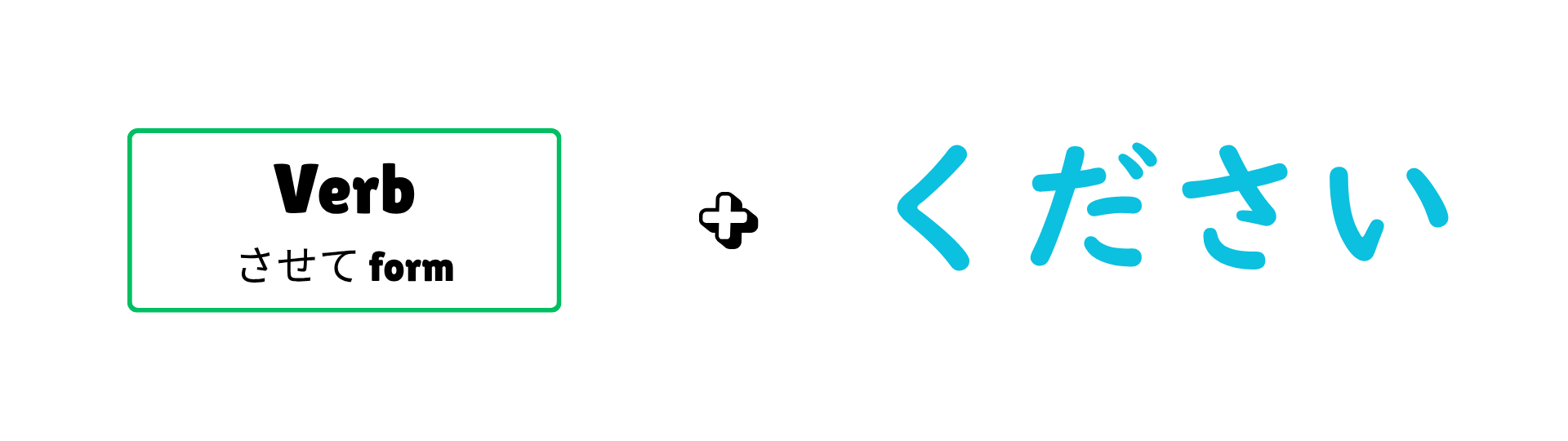
It means “please let me do (something)” and it’s a super useful N4 grammar pattern
for asking permission with kindness and respect.
You may have even heard this phrase in one of the most iconic lines in Japanese animation…Yes! from Spirited Away! Chihiro asked to Kamajii that
ここで働かせてください!
ここ で はたらかせて ください
koko de hatarakasete kudasai
Please let me work here!
That moment is powerful because Chihiro uses this exact grammar to ask for permission to take action, and you can use it the same way in real life!
Whether you're at work, traveling in Japan, or just being polite with friends, させてください helps you express your intentions gently and naturally.
Let’s learn how to use it with confidence, and make your Japanese both polite and proactive! Ready? Here we go!


てもいいですか (temo ii desu ka) vs させてください (sasete kudasai)
Both expressions involve you doing an action, but they differ in how strongly you express your intention and what kind of permission you’re asking for.
てもいいですか (temo ii desu ka) focuses on permission. You are simply checking if something is allowed.
It’s like asking, “Is it okay if I do this?” The nuance is soft, neutral, and not pushy.
させてください (sasete kudasai), on the other hand, expresses a polite request to take action. You’re not just checking if it’s allowed, you’re saying, “Please let me do it,” which shows more intention and a stronger desire to perform the action.
写真を撮ってもいいですか?
しゃしん を とっても いい です か?
shashin wo tottemo ii desu ka?
Is it okay if I take a photo? (checking permission)
写真を撮らせてください。
しゃしん を とらせて ください。
shashin wo torasete kudasai.
Please let me take a photo. (actively requesting permission)

この プロジェクトに 参加させてください。
この ぷろじぇくと に さんかさせて ください。
kono purojekuto ni sankasete kudasai.
Please let me join this project.
確認のため、もう一度 説明させてください。
かくにん の ため、もう いちど せつめい させて ください。
kakunin no tame, mou ichido setsumei sasete kudasai.
Please let me explain it once more, just to make sure.
まだ 全員 集まっていませんが、時間が 来たので 先に 始めさせてください。
まだ ぜんいん あつまっていません が、じかん が きた の で さき に はじめさせて ください。
mada zennin atsumatteimasen ga, jikan ga kita no de saki ni hajimesasete kudasai.
Not everyone is here yet, but since it’s time, please let me start first.
体調が 悪いので、今日は 早く 帰らせてください。
たいちょう が わるい の で、きょう は はやく かえらせて ください。
taichou ga warui no de, kyou ha hayaku kaerasete kudasai.
I’m not feeling well, so please let me go home early today.
<Conversation Example>
A: あの… 今度 2人で 飲みに 行きませんか?
あの… こんど ふたり で のみに いきません か?
ano... kondo futari de nomi ni ikimasen ka?
Um… would you like to grab a drink together sometime?
B: えっと… ちょっと 考えさせてください。
えっと… ちょっと かんがえさせて ください。
etto... chotto kangaesasete kudasai.
Umm… please let me think about it.

- Grammar Point: させてください (sasete kudasai)
- JLPT Level: N4
- Meaning: Please let me do, please allow me to
- Quick Explanation: Use させてください when you want to do something and need the other person’s permission. It expresses a polite and intentional request.
So that’s how we use させてください!
It’s perfect for expressing polite requests when you want permission to do something,
whether it’s joining a project, explaining something again, or asking to leave early.
If you ever have a question about Japanese, try starting your sentence like this!
ちょっと 質問させてください。
ちょっと しつもん させて ください。
chotto shitsumon sasete kudasai.
Please let me ask you a quick question.
Now it’s your turn! Try using させてください in your own sentences, and practice making polite, natural requests just like a native speaker!
Your Sensei,
Hikari 👩🏻🏫✨
Get Hikari's JLPT Mock Exams & Preparation Lessons!
Whether you are studying to pass the JLPT or looking for a challenge in your learning journey, these courses are perfect for you!
Join my ニュースレター Newsletter 📩
You can expect an email from me once a week about Japanese culture.
Don't worry, your information will not be shared.
We hate SPAM. We will never sell your information, for any reason.