JLPT N4 - Grammar 🌟 させる saseru
Have you ever been in a situation where you had to "make" someone do something?
Or maybe you were the kind soul who "let" someone follow their heart?
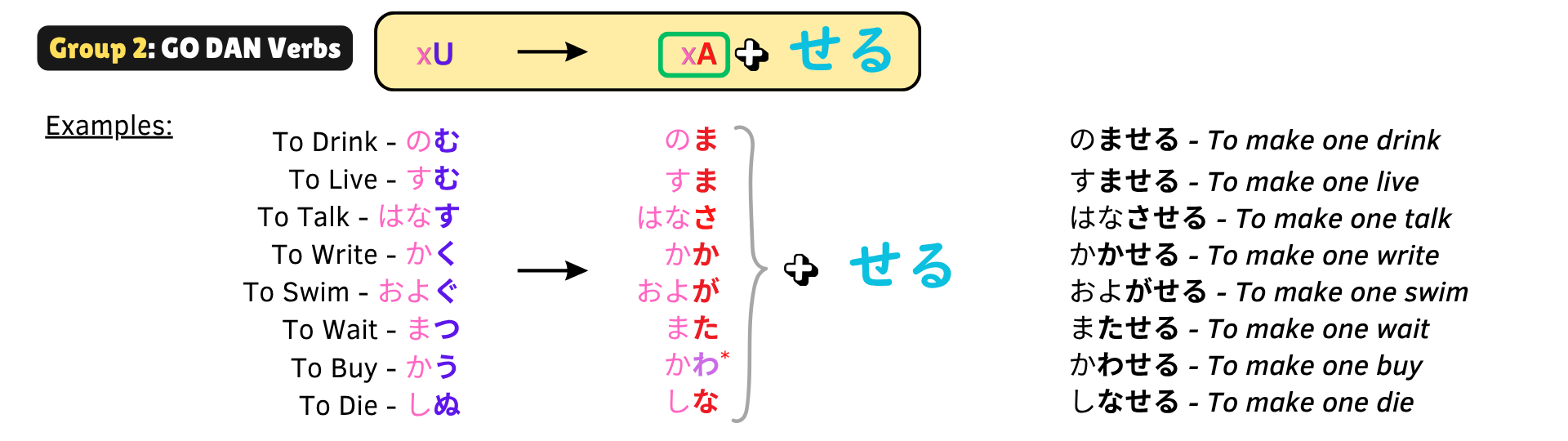
In Japanese, we use one powerful grammar structure for both: させる (saseru).
In grammar books, this is called the Causative Form (使役形 - shiekikei).
It’s a super versatile N4 expression that can mean "to make someone do," "to let someone do," or even "to cause someone to feel" an emotion.
Imagine you are a boss giving orders, a parent granting permission, or a comedian making everyone laugh. させる is your go-to tool!
But be careful! Because it can mean both "force" and "permission," the nuance depends heavily on the context and your relationship with the person.
Let’s dive into the world of causative Japanese and learn how to use させる naturally without sounding like a playground bully!
Ready? Let's go!




Making vs. Letting
The biggest challenge with させる is knowing whether it means "making" someone do something or "letting" them do it. The key is to look at who is controlling or initiating the action!
Directing an Action
Used when you take the lead to ensure an action happens, such as a duty, a rule, or a task.
Focus: The speaker is directing the situation.
私は毎日、息子に家の手伝いをさせる。
わたし は まいにち、むすこ に いえ の てつだい を させる。
watashi ha mainichi, musuko ni ie no tetsudai wo saseru.
I make my son help with the housework every day.
Giving an Opportunity
Used when you allow an action to happen or provide an opportunity for someone to do something.
Focus: The speaker provides the "green light" or the environment for the action.
子供にピアノを習わせることにしました。
こども に ぴあの を ならわせる こと に しました。
kodomo ni piano wo narawaseru koto ni shimashita.
I decided to let my child learn the piano.
💡Quick Tips!
Depending on the context, the same sentence can sometimes mean both!
If a mother says 'I make my child play piano' (even if the child hates it), the Japanese structure is the same. It all depends on whether the focus is on directing a task or granting a wish/opportunity.
Never use させる toward your boss or teacher (superiors)! Saying "I made my teacher explain" (先生に説明させます / sensei ni setsumei sasemashita) sounds very rude. Instead, use polite humble forms like "していただく".

同僚はいつも面白い冗談を言って、みんなを笑わせる。
どうりょう は いつも おもしろい じょうだん を いって、みんな を わらわせる。
douryou ha itsumo omoshiroi joudan wo itte, minna wo warawaseru.
My colleague always tells funny jokes and makes everyone laugh.
先生は生徒に例文を読ませました。
せんせい は せいと に れいぶん を よませました。
sensei ha seito ni reibun wo yomasemashita.
My teacher made the students read the example sentences.
コーチは選手たちに過去の試合のビデオを見させました。
こーち は せんしゅたち に かこ の しあい の びでお を みさせました。
koochi ha senshutachi ni kako no shiai no bideo wo misasemashita.
The coach made the players watch videos of past games.
真夏は、子供にこまめに水を飲ませるようにしている。
まなつ は、こども に こまめ に みず を のませる ように している。
manatsu ha, kodomo ni komame ni mizu wo nomaseru youni shiteiru.
In midsummer, I make sure to have my child drink water frequently.
マネージャーは部下に会議の準備をさせました。
まねーじゃー は ぶか に かいぎ の じゅんび を させました。
maneejaa ha buka ni kaigi no junbi wo sasemashita.
The manager made the subordinates prepare for the meeting.
1人で行くのが嫌だったので、友達を無理矢理一緒に来させました。
ひとり で いく の が いや だった ので、ともだち を むりやり いっしょ に こさせました。
hitori de iku no ga iya datta node, tomodachi wo muriyari issho ni kosasemashita.
I didn't want to go alone, so I forced my friend to come with me.
自分の好きなようにさせてほしい。
じぶん の すきな ように させて ほしい。
jibun no sukina youni sasete hoshii.
I want you to let me do as I like.
<Conversation Example>
A: 子供が日本に留学したいと言ったらどうしますか?
こども が にほん に りゅうがく したい と いったら どう します か?
kodomo ga nihon ni ryuugaku shitai to ittara dou shimasu ka?
What would you do if your child said they wanted to study abroad in Japan?
B: 本人が行きたいというなら、行かせてあげたいです。
ほんにん が いきたい と いう なら、いかせて あげたい です。
honnin ga ikitai to iu nara, ikasete agetai desu.
If they say they want to go, I want to let them go.

- Grammar Point: させる (saseru)
- JLPT Level: N4
- Meaning: To make someone do, to let someone do, to cause (an emotion)
- Quick Explanation: The causative form させる shows that one person influences another person's action. It can be used for orders (force), giving permission, or triggering an emotional reaction in someone else.
So that’s how we use させる!
It’s a powerful form that helps you describe the dynamics between people. Whether you are "making" a change or "letting" a dream come true, this grammar adds so much depth to your Japanese!
たくさん日本語を練習して、私を驚かせてくださいね!
たくさん にほんご を れんしゅう して、わたし を おどろかせて ください ね!
takusan nihongo wo renshuu shite, watashi wo odorokasete kudasai ne!
Please practice Japanese a lot and make me (surprise me) proud!
Now it’s your turn! Try creating your own sentences using the causative form and practice these different nuances!
Your Sensei,
Hikari 👩🏻🏫✨
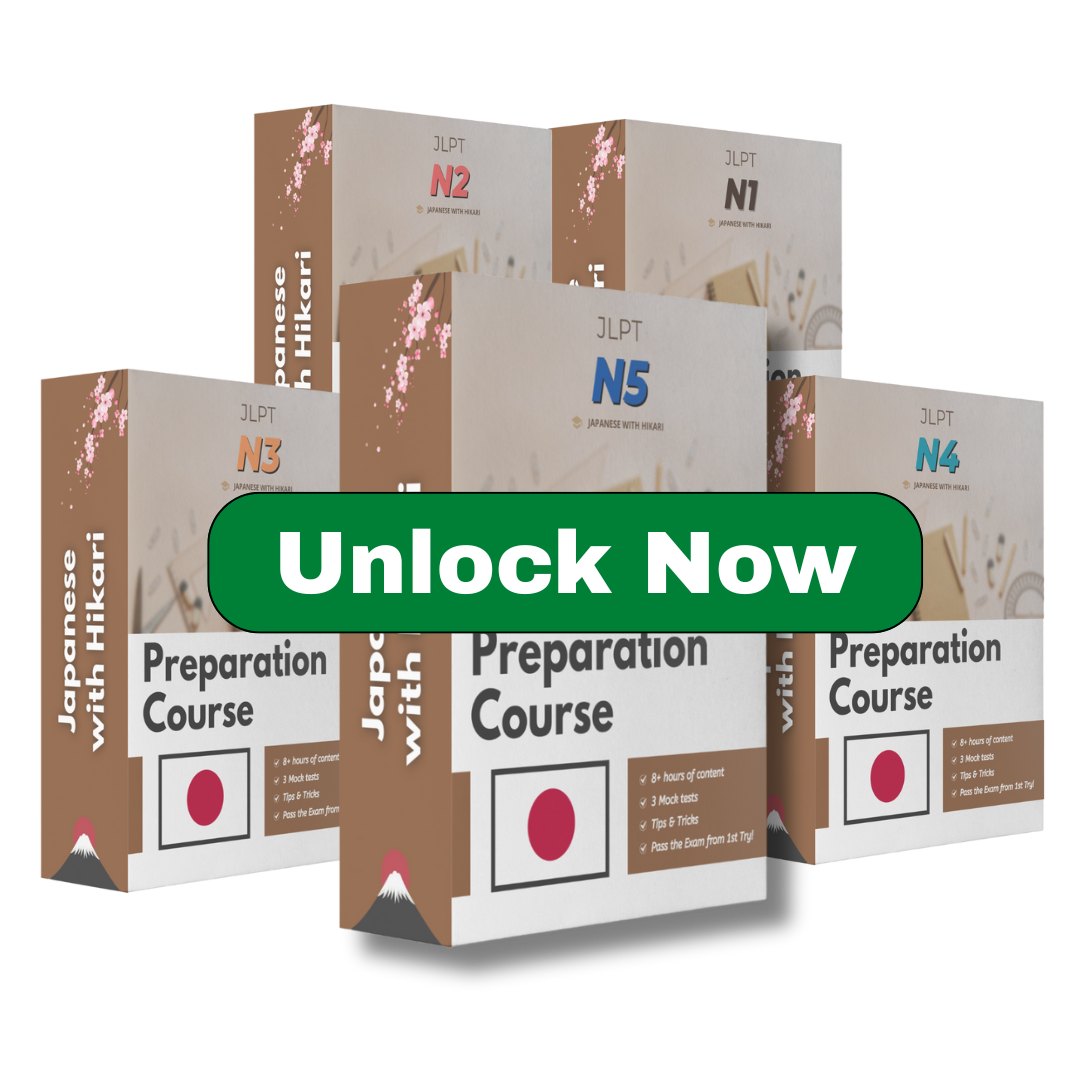
Get Hikari's JLPT Mock Exams & Preparation Lessons!
Whether you are studying to pass the JLPT or looking for a challenge in your learning journey, these courses are perfect for you!
Join my ニュースレター Newsletter 📩
You can expect an email from me once a week about Japanese culture.
Don't worry, your information will not be shared.
We hate SPAM. We will never sell your information, for any reason.