JLPT N4 - Grammar 🌟 おきに okini

Have you ever wanted to describe frequency in Japanese, like saying “every three days,” “every two weeks,” or “every other seat”?
For example, maybe you go jogging every other day, or take your medicine every six hours because timing really matters.
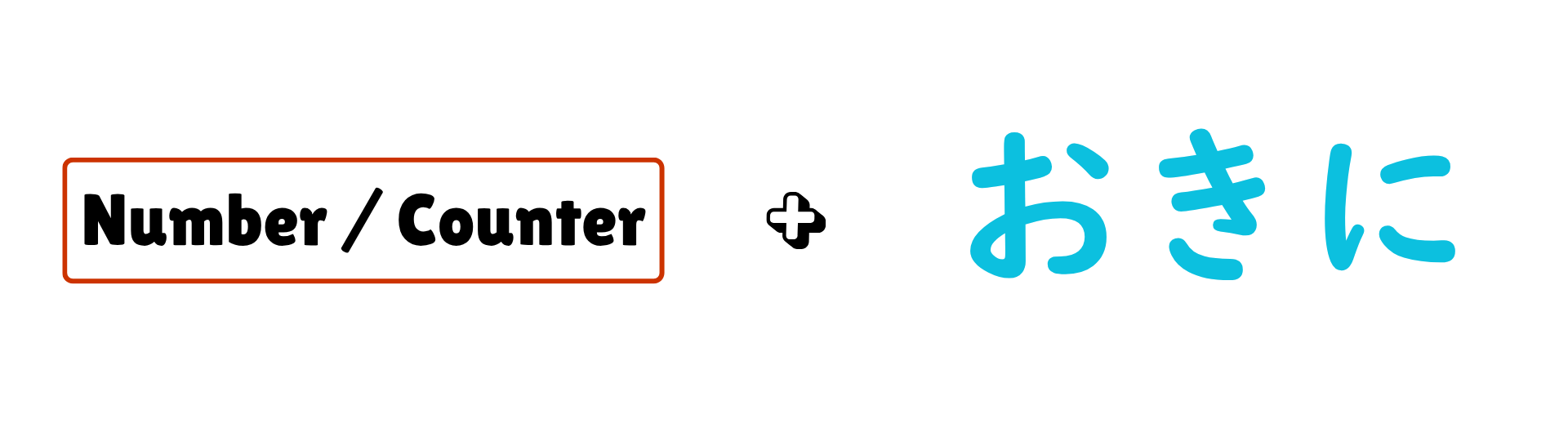
In Japanese, when we want to talk about something that happens at regular intervals, we use おきに (oki ni).
It’s an N4 grammar point that means “every” or “at intervals of.”
You’ll often hear it when describing patterns, distances, or routines, it’s a natural and compact way to express regular timing or spacing between things.
Let’s explore おきに together and learn how to use it naturally in daily conversation!


ごとに (goto ni) vs おきに (oki ni)
Both ごとに (goto ni) and おきに (oki ni) can be translated as “every” in English, but they focus on slightly different ideas.
ごとに (goto ni)
ごとに (goto ni) focuses on each unit in a regular sequence. It’s often used for schedules, systems, or events that happen in a structured, predictable way.
このミーティングは、3ヶ月ごとに開催される。
この みーてぃんぐ は、3かげつ ごと に かいさい される。
kono miitingu ha, sankagetsu goto ni kaisai sareru.
This meeting is held every three months.
Use ごとに (goto ni) when you want to emphasize fixed time units, schedules, rules, or organized and planned repetition.
おきに (oki ni)
おきに focuses on the interval or spacing between actions. It gives the feeling of doing something, skipping a unit, then doing it again.
1日おきに運動をします。
いちにち おき に うんどう を します。
ichinichi oki ni undou wo shimasu.
I exercise every other day.
Use おきに (oki ni) when you want to emphasize rhythm or pace, habits or routines, or alternating patterns.
💡Quick Tip:
In real-life Japanese, ごとに (goto ni) and おきに (oki ni) are sometimes used with almost the same meaning, and people will usually understand you just fine.
As a simple guide, If it’s a schedule, go with ごとに (koto ni). If it’s a rhythm or habit, おきに (oki ni) sounds more natural
That said, when something really matters, like appointments or promises, it’s always a good idea to confirm the exact date or timing, just to avoid any confusion in real life.

薬は6時間おきに飲んでください。
くすり は ろくじかん おき に のんで ください。
kusuri ha rokujikan oki ni nonde kudasai.
Please take the medicine every six hours.
2メートルおきに木が植えられています。
にめーとる おき に き が うえられて います。
ni meetoru oki ni ki ga uerarete imasu.
Trees are planted every two meters.
席は一つおきに座ってください。
せき は ひとつ おき に すわって ください。
seki ha hitotsu oki ni suwatte kudasai.
Please sit in every other seat.
彼は私と会っているときでもスマホを3分おきにチェックしている。
かれ は わたし と あって いる とき でも すまほ を さんぷん おき に ちぇっく して いる。
kare ha watashi to atte iru toki demo sumaho wo sanpun oki ni chekku shite iru.
Even when he’s with me, he checks his phone every three minutes.
健康のために、1日おきに3kmのウォーキングをしています。
けんこう の ため に、いちにち おき に さんきろ の うぉーきんぐ を して います。
kenkou no tame ni, ichinichi oki ni sankiro no wōkingu wo shite imasu.
For my health, I go for a 3km walk every other day.

- Grammar Point: おきに (oki ni)
- JLPT Level: N4
- Meaning: Every, at intervals of
- Quick Explanation: Used to express that something happens at regular intervals. For example, every few hours, every few days, or every certain distance.
So that’s how we use おきに!
It’s perfect for describing routines or intervals whether it’s taking medicine, exercising, or catching your bus on time.
日本語の勉強も、1日おきにやるくらいのペースは大事ですよ!5分でもいいからね!
にほんご の べんきょう も、いちにち おき に やる くらい の ぺーす は だいじ です よ! ごふん でも いい から ね!
nihongo no benkyou mo, ichinichi oki ni yaru kurai no pēsu ha daiji desu yo! gofun demo ii kara ne!
Keeping a rhythm like studying every other day is important for learning Japanese! Even five minutes is fine!
Now it’s your turn! Try making your own sentences with おきに, and find your own learning rhythm!
Your Sensei,
Hikari 👩🏻🏫
Get Hikari's JLPT Mock Exams & Preparation Lessons!
Whether you are studying to pass the JLPT or looking for a challenge in your learning journey, these courses are perfect for you!
Join my ニュースレター Newsletter 📩
You can expect an email from me once a week about Japanese culture.
Don't worry, your information will not be shared.
We hate SPAM. We will never sell your information, for any reason.