JLPT N4 - Grammar 🌟 にくい nikui
Have you ever felt like something is technically possible…but somehow hard to do?
Maybe the letters are too small to read, the food is awkward to eat.
Or you want to say something but it just feels uncomfortable to say it out loud.
In Japanese, there’s a very useful expression for moments like this.
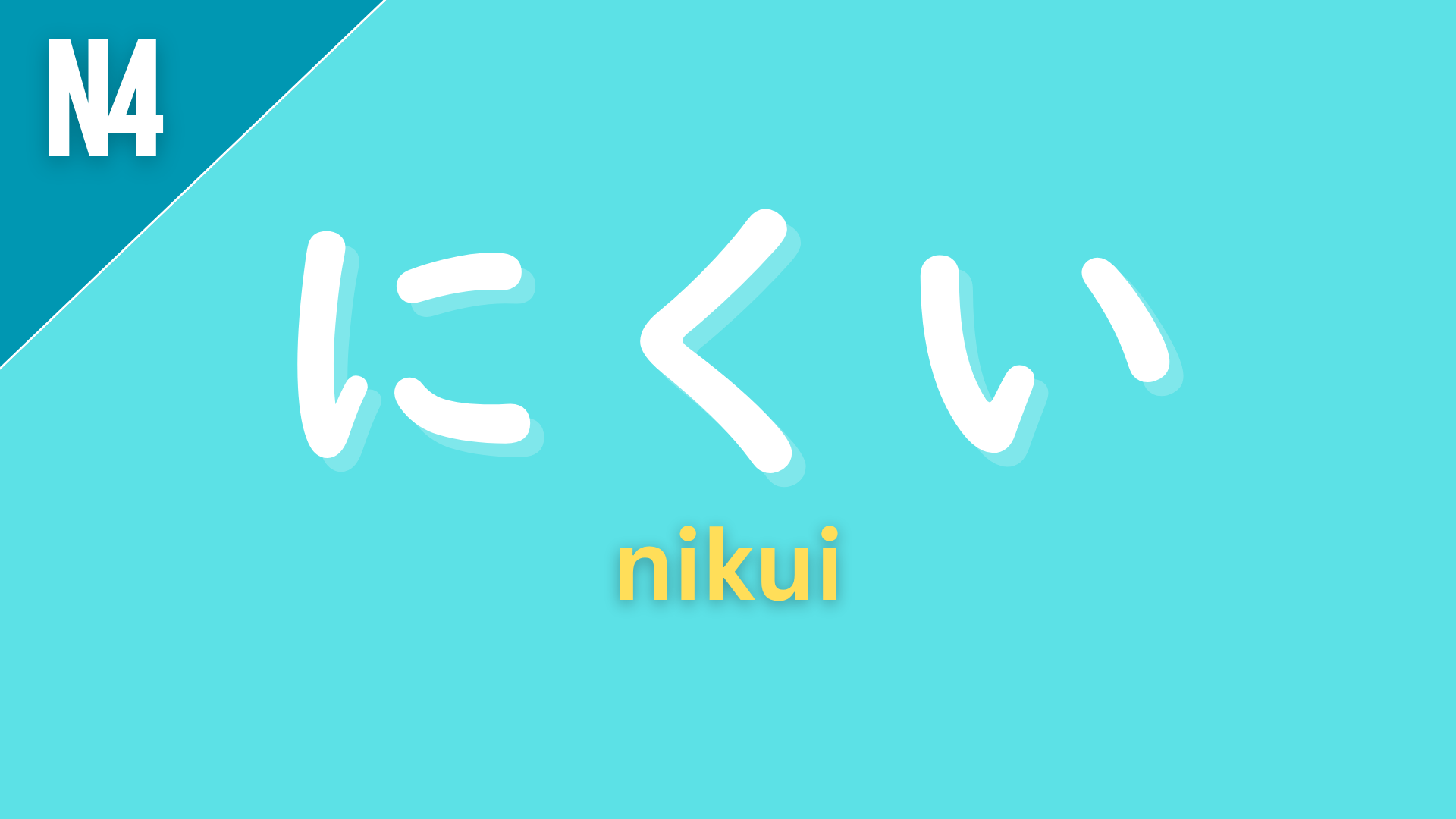
That expression is にくい (nikui).
It’s used when something is difficult to do, not only physically, but also emotionally or psychologically.
Once you learn にくい, you’ll be able to describe small frustrations and everyday struggles in a very natural Japanese way.
Let’s take a closer look at how にくい works, and when Japanese speakers use it in real life!


づらい (dzurai) vs にくい (nikui)
These two expressions are very similar. Both づらい and にくい mean “hard to do”.
But the key difference is why something feels difficult.
づらい (dzurai)
づらい is used when the difficulty comes from the speaker’s feelings. づらい comes from つらい (painful).
The action itself is possible, but doing it feels emotionally painful or uncomfortable.
本当のことを言うのは、彼を傷つけそうで言いづらいです。
ほんとう の こと を いう の は、かれ を きずつけそう で いいづらい です。
hontou no koto wo iu no ha, kare wo kizutsukesou de iizurai desu.
It’s hard to say the truth because it might hurt him.
Use づらい when the difficulty comes from your heart, not the situation.
にくい (nikui)
にくい is used when an action is difficult because of physical conditions, environment, or objective factors.
This kind of difficulty can be observed from the outside.
この早口言葉は、とても言いにくいです。
この はやくちことば は、とても いいにくい です。
kono hayakuchikotoba ha, totemo iinikui desu.
This tongue twister is very hard to say.
Use にくい when something is hard to do in a functional or mechanical sense.
💡 Tip:
にくい (nikui) can also be used for emotional situations, similar to づらい(dzurai).
In these cases, にくい (nikui) sounds more neutral, while づらい(dzurai) sounds more emotional.

この漢字は、複雑で書きにくいです。
この かんじ は、ふくざつ で かきにくい です。
kono kanji wa, fukuzatsu de kakinikui desu.
This kanji is complicated and hard to write.
この包丁、切りにくいですね。
この ほうちょう、きりにくい です ね。
kono houchou, kirinikui desu ne.
This knife is hard to cut with.
彼の説明は専門用語が多くて、分かりにくいです。
かれ の せつめい は せんもん ようご が おおくて、わかりにくい です。
kare no setsumei wa senmon yougo ga ookute, wakarinikui desu.
His explanation uses a lot of technical terms and is hard to understand.
上司はいつも忙しそうで、質問がしにくい。
じょうし は いつも いそがしそう で、しつもん が しにくい。
joushi wa itsumo isogashisou de, shitsumon ga shinikui.
My boss always looks busy, so it’s hard to ask questions.
あのお店、1人だと入りにくいんだよね。
あの おみせ、ひとり だ と はいりにくい ん だ よ ね。
ano omise, hitori da to hairinikui n da yo ne.
That shop is hard to go into alone.
鼻がつまっていて、息がしにくいです。
はな が つまって いて、いき が しにくい です。
hana ga tsumatte ite, iki ga shinikui desu.
My nose is blocked, so it’s hard to breathe.

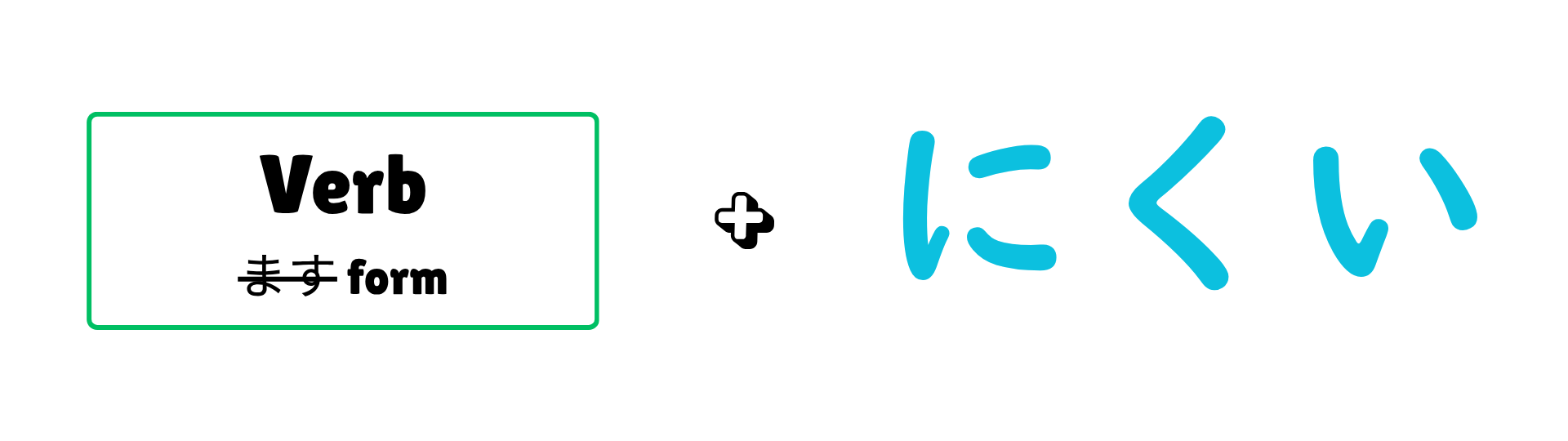
- Grammar Point: にくい (nikui)
- JLPT Level: N4
- Meaning: Difficult to do, hard to
- Quick Explanation: にくい is used to describe actions that are hard to do.
The difficulty can come from physical reasons, situations, or sometimes emotional distance.
So that’s how we use にくい.
It’s a very useful expression for talking about things that don’t go smoothly in daily life.
覚えにくい単語こそ、どんどん使ってみよう!
おぼえにくい たんご こそ、どんどん つかって みよう!
oboenikui tango koso, dondon tsukatte miyou!
The words that are hard to remember are exactly the ones you should keep using!
Now, it’s your turn!
Try making your own sentence with にくい.
Think about something that feels hard to do in your daily life.
Your Sensei,
Hikari 👩🏻🏫✨
Get Hikari's JLPT Mock Exams & Preparation Lessons!
Whether you are studying to pass the JLPT or looking for a challenge in your learning journey, these courses are perfect for you!
Join my ニュースレター Newsletter 📩
You can expect an email from me once a week about Japanese culture.
Don't worry, your information will not be shared.
We hate SPAM. We will never sell your information, for any reason.