JLPT N4 - Grammar 🌟 かしら kashira
Have you ever found yourself staring at the sunset, quietly lost in thought, wondering if that special person is thinking about you too?
In English, we simply say “I wonder.”
In Japanese, there is a gentle and expressive way to show that kind of soft curiosity.
That’s where かしら (kashira) comes in.
You may have heard this expression often in anime.
It is frequently used in thoughtful or reflective moments, and it often gives a gentle, elegant, or slightly dreamy impression.
While かしら can sound romantic or introspective, it is not limited to deep daydreaming.
It is also used in everyday situations for simple “I wonder…” thoughts, like wondering where you put your keys or whether it will rain later.
In modern Japanese, かしら is often associated with female characters, especially in fiction,
but it is not strictly tied to the speaker or to gender.
Instead, it can be chosen based on the speaker’s personality, the situation, or the feeling they want to express.
What makes かしら special is its soft and reflective tone, which adds a gentle nuance to your thoughts.
Let’s learn how to use かしら so you can express your thoughts naturally and gently in Japanese.
Ready? Let’s begin!


かな (kana) vs かしら (kashira)
Both かな and かしら mean “I wonder,” but they give very different impressions.
かな (kana)
かな is neutral and can be used by anyone.
It sounds casual and straightforward and is common in daily conversation.
明日は雨が降るかな?
あしたはあめがふるかな?
ashita ha ame ga furu kana?
I wonder if it will rain tomorrow.
かしら (kashira)
かしら has a feminine and softer nuance. It sounds more reflective, gentle, and elegant.
明日は雨が降るかしら。
あしたはあめがふるかしら。
ashita ha ame ga furu kashira.
I wonder if it will rain tomorrow.
💡 Politeness Tip
Both かな and かしら are casual expressions.
In polite situations, it’s better to use more formal question forms instead of かな or かしら.

この服、私に似合うかしら。
このふく、わたしににあうかしら。
kono fuku, watashi ni niau kashira.
I wonder if these clothes suit me.
彼は私のことをどう思っているかしら。
かれはわたしのことをどうおもっているかしら。
kare ha watashi no koto wo dou omotteiru kashira.
I wonder what he thinks about me.
誰か手伝ってくれないかしら。
だれかてつだってくれないかしら。
dareka tetsudatte kurenai kashira.
I wonder if someone could help me.
この靴、ちょっと小さいかしら。
このくつ、ちょっとちいさいかしら。
kono kutsu, chotto chiisai kashira.
I wonder if these shoes are a bit small.
彼女はまだ元気かしら。
かのじょはまだげんきかしら。
kanojo ha mada genki kashira.
I wonder if she’s still doing well.
あの子ももう大学生かしら。
あのこももうだいがくせいかしら。
ano ko mo mou daigakusei kashira.
I wonder if that kid is already a college student.
これ、何かしら。
これ、なにかしら。
kore, nani kashira.
I wonder what this is.

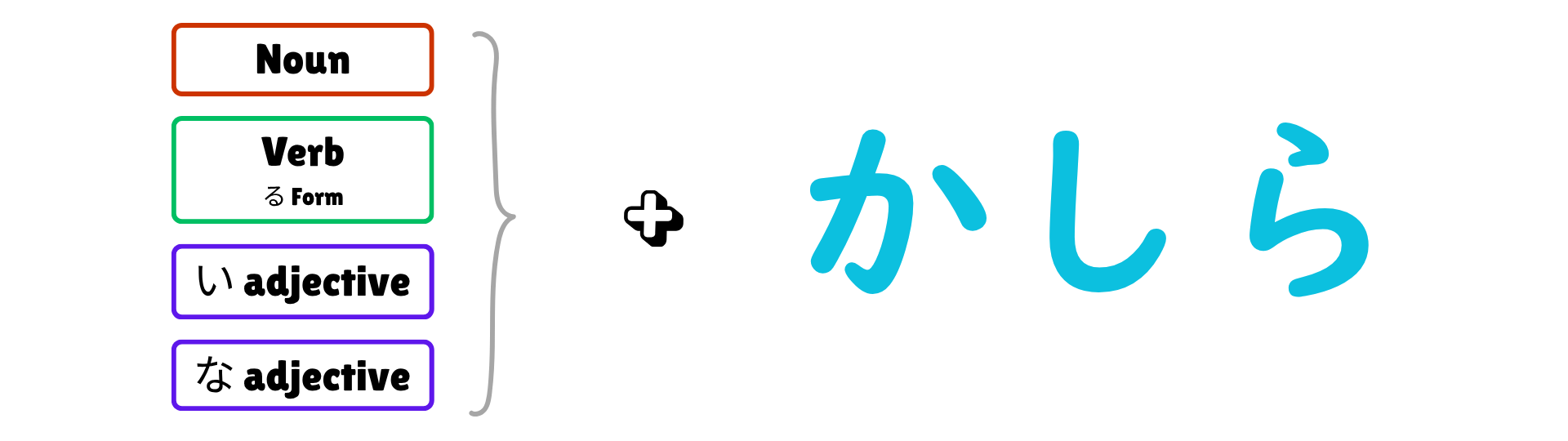
- Grammar Point: かしら (kashira)
- JLPT Level: N4
- Meaning: I wonder, I wonder if
- Quick Explanation: Use かしら when you are asking yourself a question or making a soft, gentle inquiry. It adds a feminine and thoughtful tone and is often used in inner monologues or polite, light questions.
So that’s how we use かしら.
It’s a lovely expression for soft, thoughtful “I wonder…” moments in Japanese.
みんな、楽しく日本語を勉強しているかしら。
みんな、たのしくにほんごをべんきょうしているかしら。
minna, tanoshiku nihongo wo benkyou shiteiru kashira.
I wonder if everyone is enjoying studying Japanese.
Even small moments of curiosity make your Japanese sound more natural and expressive. Take your time, enjoy the process, and keep wondering in Japanese!
Your Sensei,
Hikari 👩🏻🏫✨
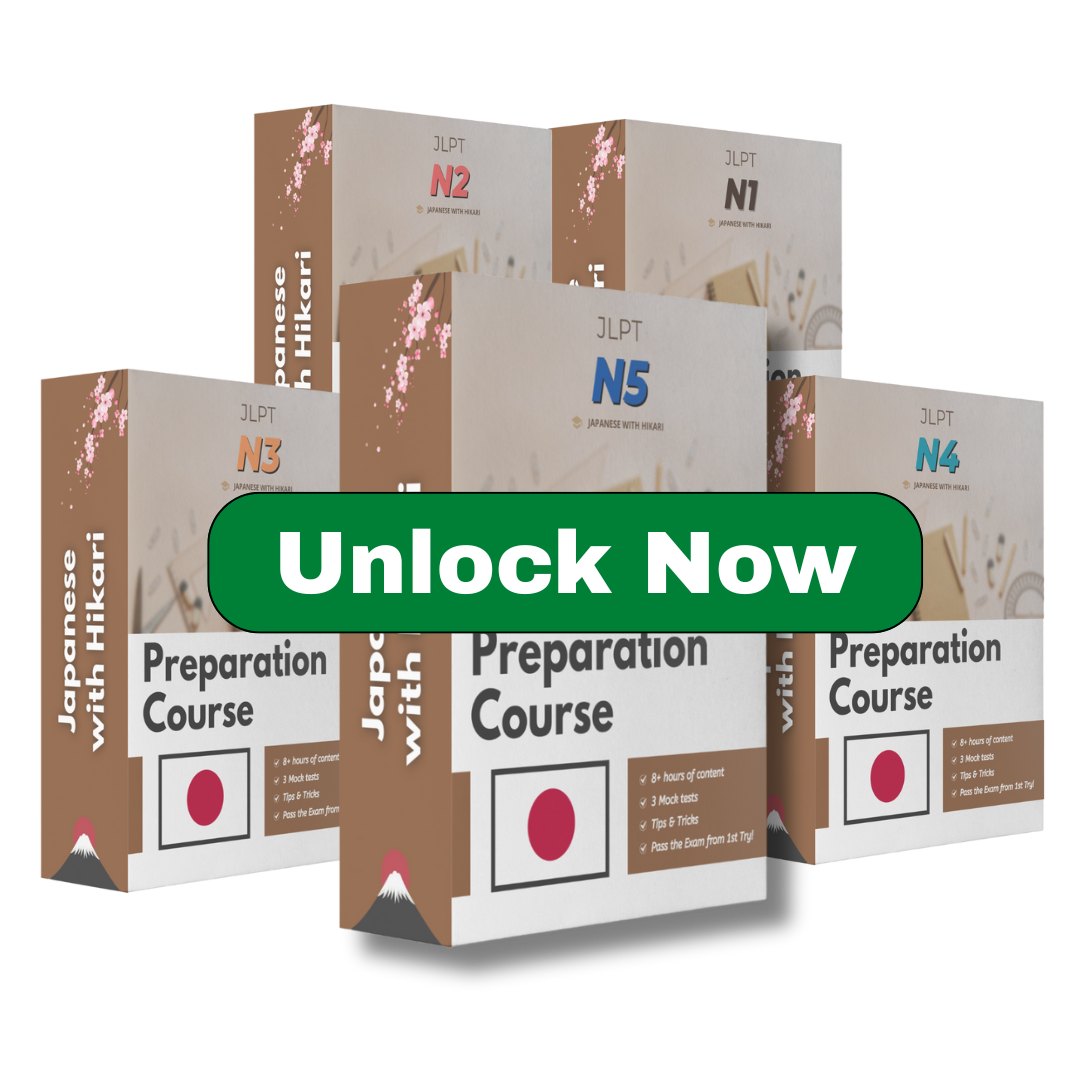
Get Hikari's JLPT Mock Exams & Preparation Lessons!
Whether you are studying to pass the JLPT or looking for a challenge in your learning journey, these courses are perfect for you!
Join my ニュースレター Newsletter 📩
You can expect an email from me once a week about Japanese culture.
Don't worry, your information will not be shared.
We hate SPAM. We will never sell your information, for any reason.