JLPT N3 - Grammar 🌟 わけだ wake da
Have you ever been amazed by a classmate who speaks Japanese so naturally that they sound like a native speaker?
Imagine this person always uses perfect slang, never struggles with complex kanji, and understands every single joke the teacher makes. You wonder, "How on earth are they so good?!"
Then, you find out their secret. They have been binge-watching Japanese dramas without subtitles for five hours every single night, they spend their weekends talking to language partners online, and they never miss a single post from Hikari sensei…
They are putting in serious effort behind the scenes!
At that moment, the puzzle pieces finally fit together and you think, "Ah! So that is why they are so fluent! No wonder!"
That satisfying "Aha!" moment where a mystery is solved by a logical reason is exactly when we use わけだ (wake da).
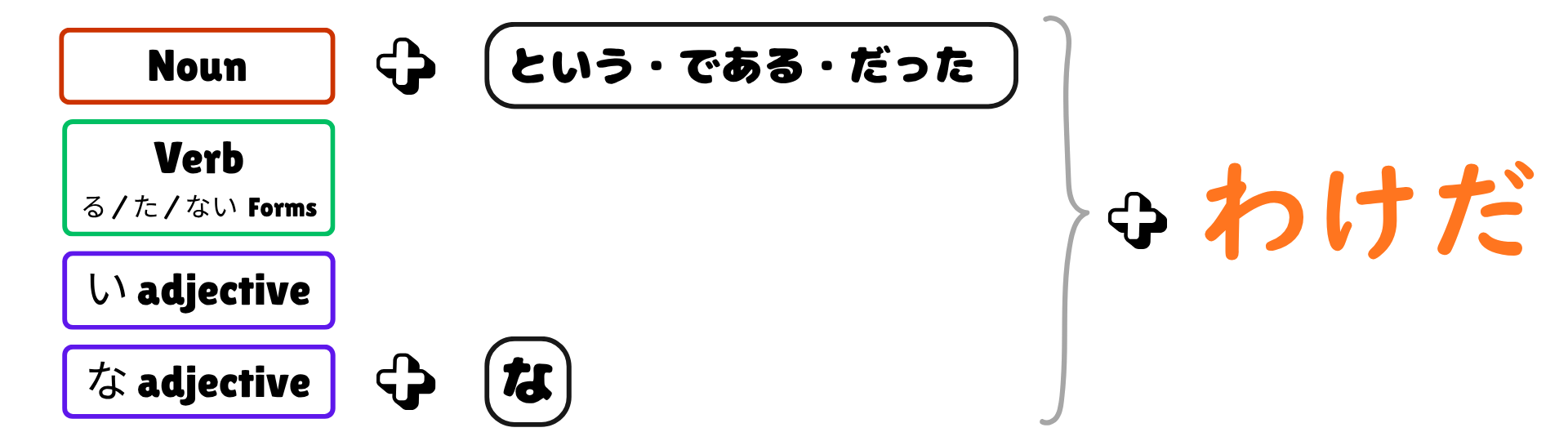
It is a super useful grammar point used when you understand the reason behind a situation or reach a logical conclusion. It is like saying "No wonder," "That explains it," or "It stands to reason that..." in English.
Let’s dive in and learn how to use it!


はずだ (hazu da) vs わけだ (wake da)
Both can translate to "should be" or "must be" in some contexts, but the nuance is very different!
はずだ (hazu da)
はずだ is used for expectations or predictions. You are guessing based on a schedule or common sense.
今日は日曜日だから、銀行は閉まっているはずだ。
きょう は にちようび だから、ぎんこう は しまっている はずだ。
kyou ha nichiyoubi dakara, ginkou ha shimatteiru hazu da.
Since today is Sunday, the bank should be closed. (I expect it to be closed).
わけだ (wake da)
わけだ is used for conviction or logical results. You are confirming a fact because you now understand the reason.
It is often used when you are looking at the actual result and realize the cause.
(閉まっている銀行を前にして shimatte iru ginkou wo mae ni shite / Standing in front of a closed bank)
そうか、今日は 日曜日だから、銀行は閉まっているわけだ。
きょう は にちようび だから、ぎんこう は しまっている わけだ。
kyou ha nichiyoubi dakara, ginkou ha shimatteiru wake da.
Ah, I see. Since today is Sunday, (no wonder) the bank is closed. (I see it is closed and now I realize why).

毎日5時間も勉強しているなら、上達するわけだ。
まいにち ごじかん も べんきょう している なら、じょうたつ する わけだ。
mainichi gojikan mo benkyou shiteiru nara, joutatsu suru wake da.
If you are studying for five hours every day, no wonder you are improving.
朝から何も食べていないなら、力が出ないわけだ。
あさ から なにも たべていない なら、ちから が でない わけだ。
asa kara nanimo tabeteinai nara, chikara ga denai wake da.
If you haven't eaten anything since morning, it makes sense that you have no energy.
昨日会ったサムさん、過去に日本との仕事をしていたらしいよ。日本の事情に詳しかった わけだ。
きのう あった さむさん、かこ に にほん と の しごと を していた らしい よ。にほん の じじょう に くわしかった わけだ。
kinou atta samusan, kako ni nihon to no shigoto wo shiteita rashii yo. nihon no jijou ni kuwashikatta wake da.
I heard Sam, whom we met yesterday, used to work with Japan. No wonder he was so familiar with Japanese affairs.
私たち10キロも歩いてたの?それは足が痛いわけだ!
わたしたち じゅっきろ も あるいてた の? それ は あし が いたい わけだ!
watashitachi jukkiro mo aruiteta no? sore ha ashi ga itai wake da!
We walked 10 kilometers? No wonder my feet hurt!
3人のお子さんを育てながら働いているのですね。それは毎日大変なわけだ。
さんにん の おこさん を そだてながら はたらいている の です ね。それ は まいにち たいへんな わけだ。
sannin no okosan wo sodatenagara hataraiteiru no desu ne. sore ha mainichi taihenna wake da.
So you are working while raising three children. It is only natural that it is tough every day.
全品40%引きということは、15,000円の服は9,000円というわけだ。
ぜんぴん よんじゅっぱーせんとびき という こと は、いちまんごせんえん の ふく は きゅうせんえん という わけだ。
zenpin yonjuuppaasentobiki to iu koto ha, ichimangosen-en no fuku ha kyuusen-en to iu wake da.
Since everything is 40% off, that means a 15,000 yen piece of clothing becomes 9,000 yen.
売上が前年比の半分以下ということは、今月は大幅な赤字であるわけだ。
うりあげ が ぜんねんひ の はんぶんいか という こと は、こんげつ は おおはばな あかじ で ある わけだ。
uriage ga zennenhi no hanbunika to iu koto ha, kongetsu ha oohabana akaji de aru wake da.
Since sales are less than half of last year's, it means there is a significant deficit this month.
昨日は祝日だったのか。だから店が休みだったわけだ。
きのう は しゅくじつ だった の か。だから みせ が やすみ だった わけだ。
kinou ha shukujitsu datta no ka. dakara mise ga yasumi datta wake da.
Ah, yesterday was a national holiday? That explains why the shop was closed.

- Grammar Point: わけだ (wake da)
- JLPT Level: N3
- Meaning: No wonder, as expected, so that means...
- Quick Explanation: Use わけだ when you discover the reason for something and feel convinced, or when stating a logical conclusion based on facts.
So that is how we use わけだ!
It is the perfect phrase to show that you really understand the "why" behind what is happening around you.
私の生徒さんは素敵な人ばかり。どうりで、日本語の先生をしていて毎日楽しいわけだ!
わたし の せいとさん は すてきな ひと ばかり。どうりで、にほんご の せんせい を していて まいにち たのしい わけだ!
watashi no seitousan ha sutekina hito bakari. dooride, nihongo no sensei wo shiteite mainichi tanoshii wake da!
My students are all wonderful people. No wonder I have so much fun teaching Japanese every day!
Now it is your turn to practice! Why is your Japanese getting better? Why were you tired yesterday? Try to make your own sentence using わけだ!
Your Sensei,
Hikari 👩🏻🏫✨
Get Hikari's JLPT Mock Exams & Preparation Lessons!
Whether you are studying to pass the JLPT or looking for a challenge in your learning journey, these courses are perfect for you!
Join my ニュースレター Newsletter 📩
You can expect an email from me once a week about Japanese culture.
Don't worry, your information will not be shared.
We hate SPAM. We will never sell your information, for any reason.