JLPT N3 - Grammar 🌟 さえ sae

Have you ever had a day so chaotic that you didn’t even have time for coffee?
Like… not even one sip?
Or maybe you were so tired that you couldn’t even open your eyes in the morning…
(Yes, I’ve been there. Seven alarms and still no movement. )
In Japanese, when we want to express this kind of “even X…!” or “not even X…”,
we use さえ (sae), an N3 grammar point that adds drama, emphasis, and a little surprise to your sentence.
さえ highlights something unexpected or extreme, helping you show just how strong or unusual a situation is.
It adds emotion, intensity, and nuance, making your Japanese sound much more expressive.
Let’s dive in and learn how to use さえ naturally so your Japanese becomes more colorful, dramatic (in a fun way), and full of life!


Common Patterns You’ll See
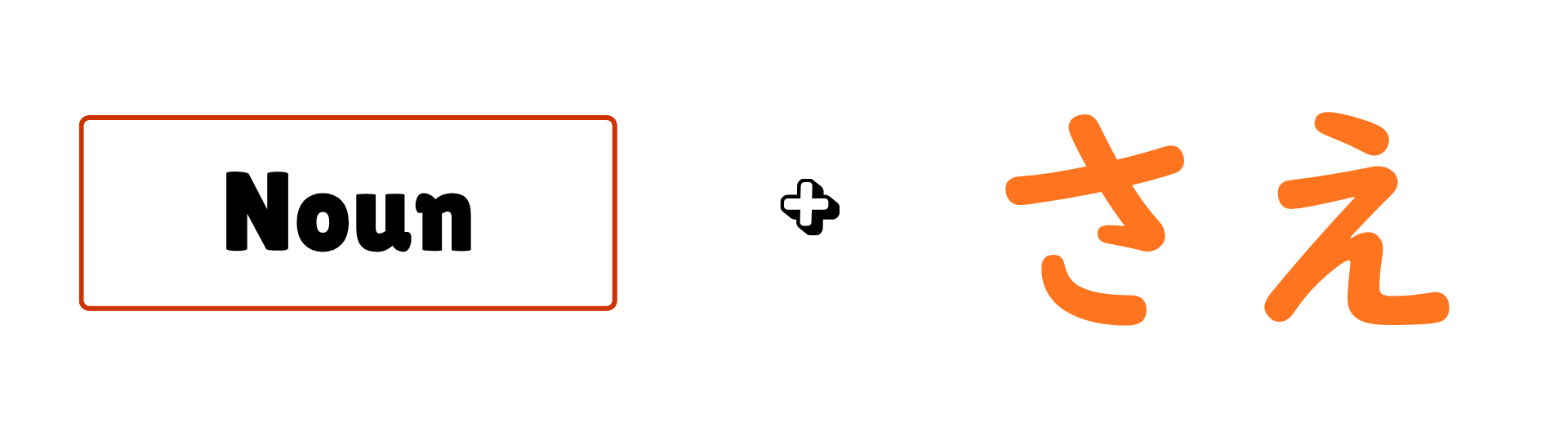
[ Noun + に / で ] + さえ
This is the most natural and frequently used pattern.
You keep に or で in the sentence and simply attach さえ after it to emphasize the entire phrase.
Noun + にさえ : “even to…”
Noun + でさえ : “even at… / even in…”
These forms highlight surprising or unexpected situations involving places, times, people, or conditions.
子どもにさえわからない。
kodomo ni sae wakaranai.
Even children don’t understand it.
専門家でさえ知らない。
senmonka de sae shiranai.
Even experts don’t know.
も (mo) vs さえ (sae)
Both can sometimes be translated as “even,” but さえ is much stronger and carries a feeling of surprise or extremeness.
も (mo)
It means “also / too”. Simply adds another item, neutral tone.
さえ (sae)
It means “even…” / “not even…”. Emphasizes something unexpected, extreme, or unusually important.
水も飲めない
mizu mo nomenai
I can’t drink water (among other things).
水さえ飲めない
mizu sae nomenai.
I can’t even drink water (very strong!).
Use さえ when you want drama, emphasis, or a stronger emotional nuance.

忙しすぎて、コーヒーを一口飲む時間さえないよ!
いそがしすぎて、こーひー を ひとくち のむ じかん さえ ない よ!
isogashisugite, ko-hi- wo hitokuchi nomu jikan sae nai yo!
I’m so busy I don’t even have time to take a sip of coffee!
眠すぎて、目さえ開けられない。
ねむすぎて、め さえ あけられない。
nemusugite, me sae akerarenai.
I’m so sleepy I can’t even open my eyes.
財布もスマホも忘れて、帰りの電車賃さえなかった。
さいふ も すまほ も わすれて、かえり の でんしゃちん さえ なかった。
saifu mo sumaho mo wasurete, kaeri no denshachin sae nakatta.
I forgot both my wallet and my phone, and I didn’t even have money for the train home.
あまりにも衝撃的な出来事で、親友にさえまだ話せていない。
あまり にも しょうげきてき な できごと で、しんゆう に さえ まだ はなせていない。
amari nimo shougekiteki na dekigoto de, shinyuu ni sae mada hanaseteinai.
It was such a shocking event that I haven’t even told my best friend yet.
その珍しいニュースに、専門家でさえ驚いた。
その めずらしい にゅーす に、せんもんか で さえ おどろいた。
sono mezurashii nyu-su ni, senmonka de sae odoroita.
Even specialists were surprised by that unusual news.

- Grammar Point: さえ (sae)
- JLPT Level: N3
- Meaning: Even, not even, so much as
- Quick Explanation: Use さえ when you want to highlight an extreme or unexpected example.
It adds emphasis, surprise, or drama, like saying “even…” or “not even…”.
So that’s how we use さえ!
It’s a fantastic grammar point for adding emotion, nuance, and intensity to your Japanese,
especially when you want to emphasize an unexpected situation.
私は小さいころ、家族さえいれば、何もいらないと思っていた。
わたしはちいさいころ、かぞくさえいれば、なにもいらないとおもっていた。
watashi ha chiisai koro, kazoku sae ireba, nanimo iranai to omotte ita.
When I was little, I thought that as long as I had my family, I didn’t need anything else.
Now it’s your turn! try creating your own expressive sentences with さえ, and have fun adding a little drama and personality to your Japanese!
Your Sensei,
Hikari 👩🏻🏫✨
Get Hikari's JLPT Mock Exams & Preparation Lessons!
Whether you are studying to pass the JLPT or looking for a challenge in your learning journey, these courses are perfect for you!
Join my ニュースレター Newsletter 📩
You can expect an email from me once a week about Japanese culture.
Don't worry, your information will not be shared.
We hate SPAM. We will never sell your information, for any reason.