JLPT N3 - Grammar 🌟 っぱなし ppanashi
When you were a kid, have you ever been told,
“Hey, you left the lights on again!”
Or maybe now you’re the one saying that every single day to your kids. (Parents, I see you! )
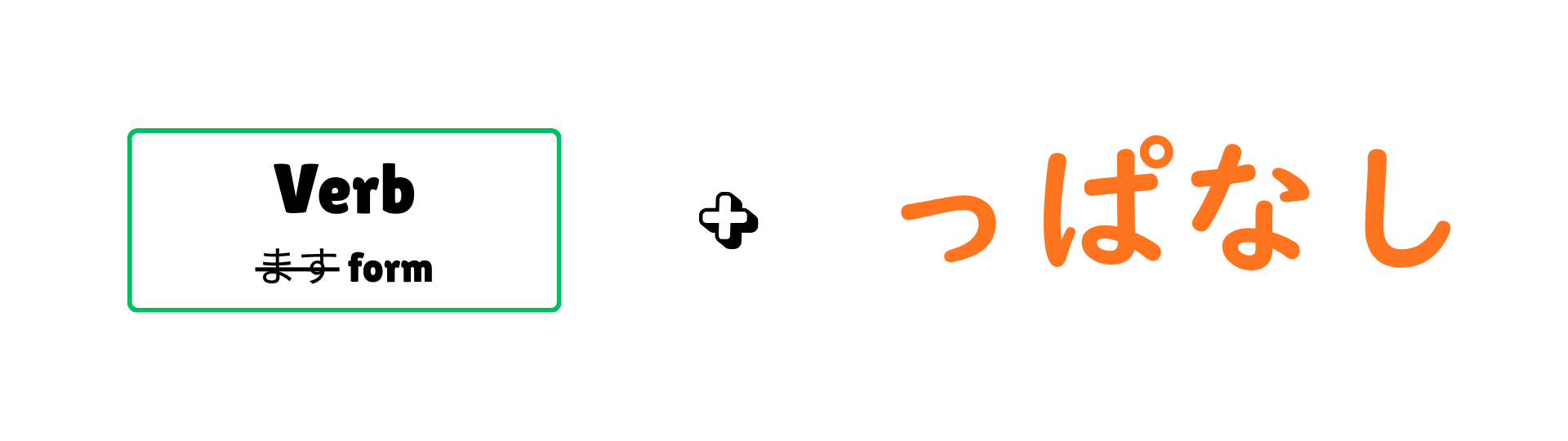
In Japanese, there’s a grammar pattern for exactly this kind of situation: っぱなし.
It’s an N3 grammar point that means “leaving something on” or “leaving something as it is.”
What’s interesting is that っぱなし has two main uses.
Sometimes it describes leaving something unattended, like forgetting to turn off the TV or leaving the window open. Other times, it shows that an action keeps going without stopping, like walking all day or talking endlessly.
You’ll hear it a lot when someone forgets to finish something properly, or when they just keep doing something forever.
Let’s explore っぱなし and learn how to use it!


〜まま (mama) vs. 〜っぱなし (ppanashi)
Both can mean “left as is,” but nuance is different.
まま (mama): neutral, just “as it is.”
っぱなし (ppanashi): negative nuance, often implies carelessness or inconvenience.
靴をはいたまま部屋に入らないでください。
くつ を はいた まま へや に はいらないで ください。
kutsu wo haita mama heya ni hairanaide kudasai.
Please don’t enter the room with your shoes still on.
靴をぬぎっぱなしにして、片付けてないよ!
くつ を ぬぎっぱなし に して、かたづけて ない よ!
kutsu wo nugippanashi ni shite, katazukete nai yo!
You left your shoes off and didn’t put them away!
💡Tip:
Use まま (mama) when you want to describe a neutral state, but っぱなし (ppanashi) when you want to point out something careless or inconvenient, often with a hint of complaint.

電気をつけっぱなしにしないでください。
でんき を つけっぱなし に しないで ください。
denki wo tsukeppanashi ni shinaide kudasai.
Please don’t leave the lights on.
水を流しっぱなしにしないでね。
みず を ながしっぱなし に しないで ね。
mizu wo nagashippanashi ni shinaide ne.
Don’t leave the water running.
冷蔵庫のドアを開けっぱなしにすると、電気代がもったいないよ。
れいぞうこ の どあ を あけっぱなし に すると、でんきだい が もったいない よ。
reizouko no doa wo akeppanashi ni suru to, denkidai ga mottainai yo.
If you leave the fridge door open, it wastes electricity.
このタスクをやりっぱなしにすると、あとで面倒になるよ。
この たすく を やりっぱなし に すると、あと で めんどう に なる よ。
kono tasuku wo yarippanashi ni suru to, ato de mendou ni naru yo.
If you leave this task unfinished, it’ll cause trouble later.
昨日、歩きっぱなしだったから足が痛い。
きのう、 あるきっぱなし だったから あし が いたい。
kinou, arukippanashi datta kara ashi ga itai.
Yesterday I was walking the whole time, and now my feet hurt.
あのマネージャーは部下に文句を言いっぱなしで、全然責任を取ろうとしない。
あの まねーじゃー は ぶか に もんく を いいっぱなし で、ぜんぜん せきにん を とろう と しない。
ano maneejaa ha buka ni monku wo iippanashi de, zenzen sekinin wo torou to shinai.
That manager just keeps complaining to subordinates and never takes responsibility.
<Conversational Example>
A: この間、初デートにいったんだけど、彼女は3時間ずっとしゃべりっぱなしで、僕の話を全然聞いてくれなかったんだ。
この あいだ、はつでーと に いった ん だけど、かのじょ は さんじかん ずっと しゃべりっぱなし で、ぼく の はなし を ぜんぜん きいて くれなかった ん だ。
kono aida, hatsudeeto ni itta n dakedo, kanojo ha sanjikan zutto shaberippanashi de, boku no hanashi wo zenzen kiite kurenakatta n da.
I went on a first date the other day, but she talked non-stop for three hours and didn’t listen to me at all.
B: あぁ、3時間、聞きっぱなしはちょっと疲れるね。
あぁ、さんじかん、ききっぱなし は ちょっと つかれる ね。
aa, sanjikan, kikippanashi ha chotto tsukareru ne.
Ah, listening non-stop for three hours would be pretty exhausting.

- Grammar Point: っぱなし (ppanashi)
- JLPT Level: N3
- Meaning: Leaving something on, leaving something as it is, leaving an action continuing
- Quick Explanation: Use〜っぱなし when something is left in a certain state without being finished or corrected, often with a careless or negative nuance. It can also describe an action that keeps going without stopping.
So that’s how we use っぱなし!
From leaving the lights on to chatting for hours, this phrase covers both “leaving things unattended” and “doing something non-stop.”
日本語の勉強は インプットしっぱなしじゃなく、アウトプットもしてくださいね!
にほんご の べんきょう は、いんぷっと しっぱなし じゃ なく、あうとぷっと も して ください ね!
nihongo no benkyou ha, inputto shippanashi ja naku, autopputo mo shite kudasai ne!
Don’t just keep studying Japanese with only input, make sure to practice output too!
Now it’s your turn! Try making your own sentences with っぱなし and see how you can describe things left unfinished or actions that go on non-stop!
Your Sensei,
Hikari 👩🏻🏫
Get Hikari's JLPT Mock Exams & Preparation Lessons!
Whether you are studying to pass the JLPT or looking for a challenge in your learning journey, these courses are perfect for you!
Join my ニュースレター Newsletter 📩
You can expect an email from me once a week about Japanese culture.
Don't worry, your information will not be shared.
We hate SPAM. We will never sell your information, for any reason.