JLPT N3 - Grammar 🌟 ないことはない nai koto ha nai

Have you ever been in a situation where you could do something… but you weren’t exactly confident about it?
Maybe a friend asks you to join a weekend hike, and you’re tired, but not that tired… so you think,
“Well… I can go, I guess.”
Or your coworker invites you to a new spicy ramen place and you’re not sure if you can handle it, but you also don’t want to say no completely.
So you think,
“It’s not impossible… maybe?”
Or maybe someone asks if you can finish a task by tomorrow. You know it might be doable, but you don’t want to promise too strongly.
So in your mind you’re like,
“Hmm… not impossible… depending on how things go.”
These moments, when you don’t want to fully say yes. But you can’t say no either, happen all the time.
And that’s exactly where today’s grammar ないことはない (nai koto ha nai) comes in.
It lets you express a “soft yes,” a “maybe yes,” or a “well… I could…” in a very natural Japanese way.
Let’s learn how to use it!


ないわけではない (nai wake deha nai) vs ないことはない (nai koto ha nai)
Both expressions soften a statement by avoiding a direct “no,” but their nuance is slightly different.
ないわけではない (nai wake deha nai)
ないわけではない is a neutral way to correct or clarify something. It simply means “it’s not that I don’t…” and states a factual correction without showing strong feelings.
野菜を食べないわけではない。
やさい を たべない わけ では ない。
yasai wo tabenai wake deha nai.
It’s not that I don’t eat vegetables.
(Neutral: I do eat them.)
ないことはない (nai koto ha nai)
On the other hand, ないことはない sounds more hesitant and implies a reluctant possibility. It often carries a feeling of “I can do it, but…” or “well… if I have to.”
野菜を食べないことはない。
やさい を たべない こと は ない。
yasai wo tabenai koto ha nai.
It’s not impossible for me to eat vegetables.
(Hesitant: I can eat them, but I’m not really eager.)
💡Tips:
ないわけではない - calm, factual correction (“It’s not that I don’t…”)
ないことはない - hesitant or reluctant possibility (“Well… I can, but…”)

納豆は食べられないことはない。
なっとう は たべられない こと は ない。
nattou ha taberarenai koto ha nai.
It’s not impossible for me to eat natto. (Nuance: I can, but I’m not enthusiastic.)
行けないことはないけど、疲れているからやめておく。
いけない こと は ない けど、つかれている から やめておく。
ikenai koto ha nai kedo, tsukarete iru kara yamete oku.
I could go, but I’m tired, so I’ll skip it.
この表現は日本語じゃないことはないけど、滅多に使われない古い表現だ。
この ひょうげん は にほんご じゃない こと は ない けど、めった に つかわれない ふるい ひょうげん だ。
kono hyougen ha nihongo janai koto ha nai kedo, metta ni tsukawarenai furui hyougen da.
This expression is Japanese, but it’s an old phrase rarely used today.
その仕事は難しくないことはないが、挑戦する価値はある。
その しごと は むずかしくない こと は ない が、ちょうせん する かち は ある。
sono shigoto ha muzukashikunai koto ha nai ga, chousen suru kachi ha aru.
It’s not that the job isn’t difficult, but it’s worth the challenge.
そのニュースは嬉しくないことはないけど、ちょっと複雑な気持ちだ。
その にゅーす は うれしくない こと は ない けど、ちょっと ふくざつ な きもち だ。
sono nyuusu ha ureshikunai koto ha nai kedo, chotto fukuzatsu na kimochi da.
It’s not that the news doesn’t make me happy, but I have mixed feelings.
このアプリ、便利じゃないことはないけど、設定がちょっと複雑だ。
この あぷり、べんり じゃない こと は ない けど、せってい が ちょっと ふくざつ だ。
kono apuri, benri janai koto ha nai kedo, settei ga chotto fukuzatsu da.
It’s not that this app isn’t useful, but the settings are a bit complicated.

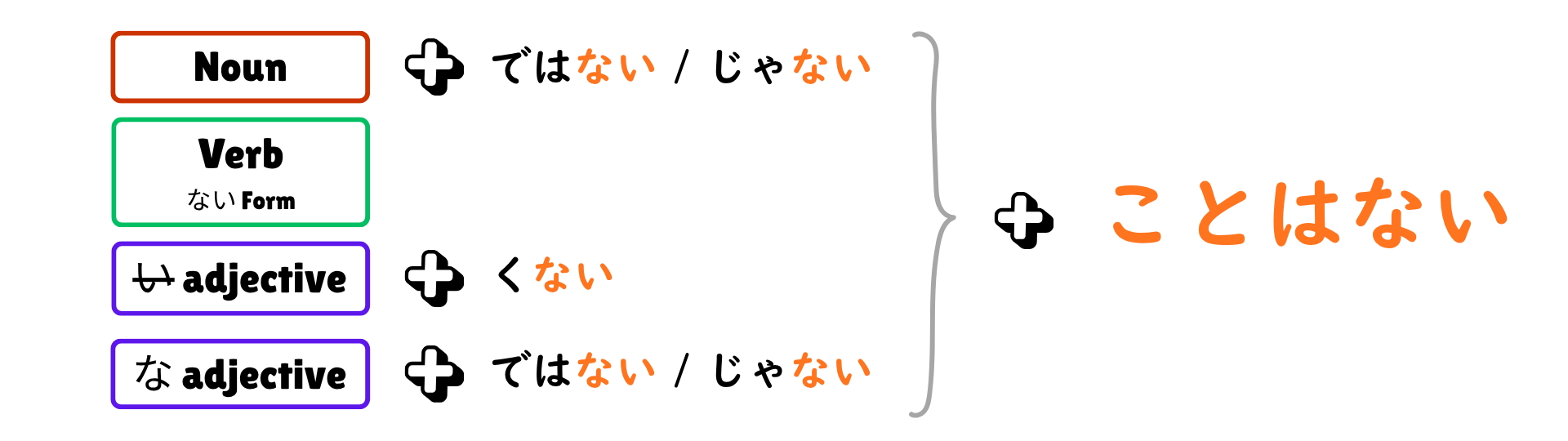
- Grammar Point: ないことはない (nai koto ha nai)
- JLPT Level: N3
- Meaning: Not impossible, can do, it’s possible (but with hesitation)
- Quick Explanation: ないことはない is a soft, hesitant way to say something isn’t completely impossible.
It expresses a weak or reserved “yes,” often with mixed feelings, low confidence, or some conditions attached.
So that’s how we use ないことはない!
It's a subtle and flexible expression that helps you sound natural when your answer isn’t a strong yes or no.
この文法、理解できないことはないけど、少し難しいよね。
このぶんぽう、りかいできないことはないけど、すこしむずかしいよね。
kono bunpou, rikai dekinai koto wa nai kedo, sukoshi muzukashii yone.
This grammar isn’t impossible to understand, but it’s a bit difficult, right?
Now it’s your turn! Try making your own sentences with ないことはない and enjoy expressing those “possible, but…” nuances in Japanese!
Your Sensei,
Hikari 👩🏻🏫✨
Get Hikari's JLPT Mock Exams & Preparation Lessons!
Whether you are studying to pass the JLPT or looking for a challenge in your learning journey, these courses are perfect for you!
Join my ニュースレター Newsletter 📩
You can expect an email from me once a week about Japanese culture.
Don't worry, your information will not be shared.
We hate SPAM. We will never sell your information, for any reason.