JLPT N3 - Grammar 🌟 ことはない kotohanai
If you have a friend who worries too much, but you know it’s really not a big deal, you might want to say kindly…
“Don’t worry, the worst thing you’re imagining will never happen.”
Or maybe your classmate is panicking like “I’ll definitely fail this test!”
But since you know they’ve been studying hard, you could reassure them with…
“No, no, that will never happen.”
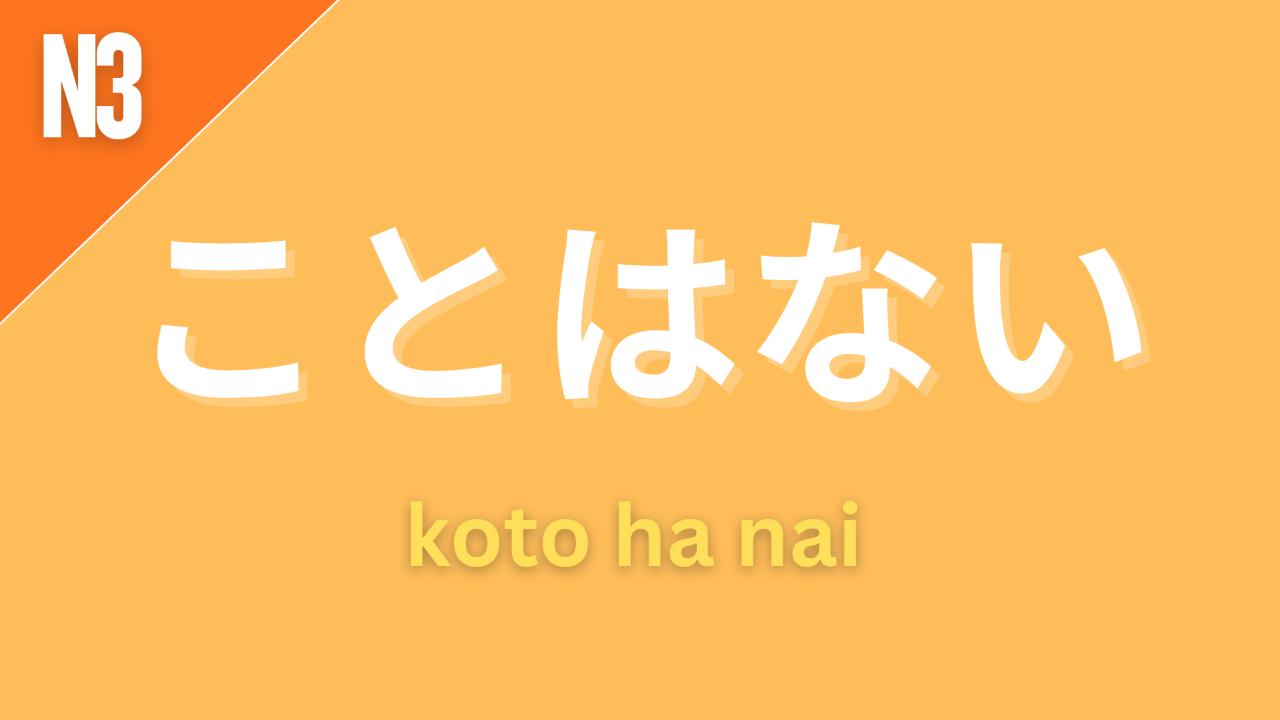
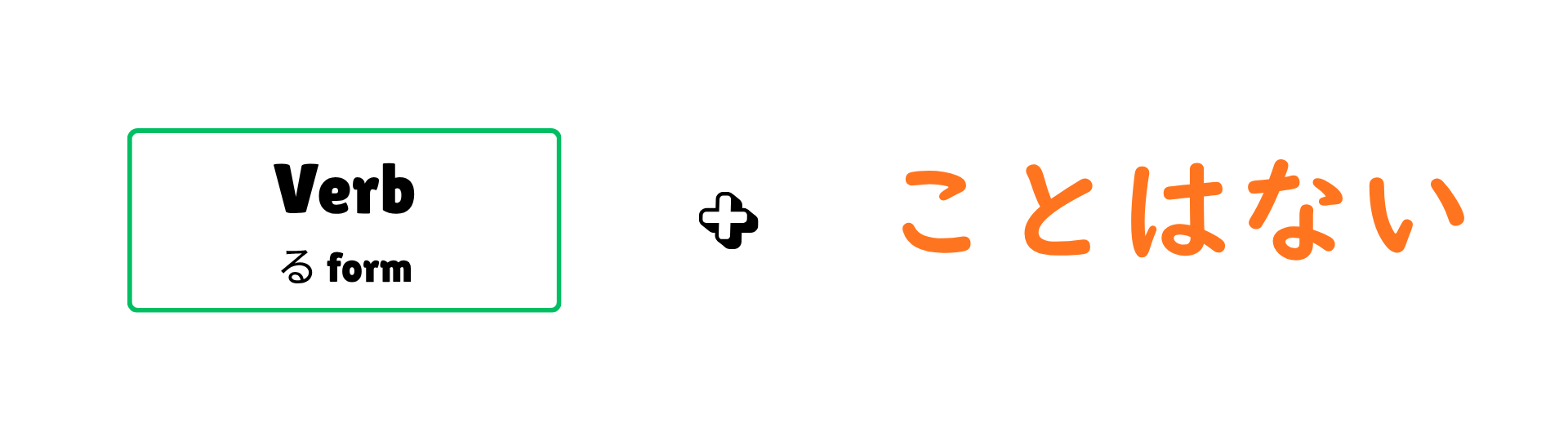
In Japanese, the phrase for this is 〜ことはない.
It’s an N3 grammar point that means “no need to” or “never happens.”
Think of it like your friendly reminder, “Relax, you don’t have to!”
Shall we check it out?


Spoken Style: dropping は
In casual spoken Japanese, ことはない often drops は.
心配することはないよ!
しんぱい する こと ない よ!
shinpai suru koto nai yo!
Don’t worry!(spoken style)
💡Tip:
You’ll hear this shortened version a lot in daily conversation, so don’t be surprised when “ha” disappears!
なくてもいい (nakutemo ii)
Both なくてもいい and ことはない can mean “you don’t have to,” but the nuance is a little different.
なくてもいい (nakutemo ii): simply means “it’s okay not to” or “optional.”
ことはない : feels stronger, often used to encourage or reassure someone, like “there’s really no need.”
今日は宿題をしなくてもいいよ。
きょう は しゅくだい を しなくても いい よ。
kyou ha shukudai wo shinakutemo ii yo.
It’s okay if you don’t do your homework today.
ことがある (koto ga aru) vs. ことはない (koto ha nai)
These two look similar but have opposite meanings!
ことがある (koto ga aru) : means “sometimes happens.”
ことはない (koto ha nai) : means “never happens.”
雨が降ることがある。
あめ が ふる こと が ある。
ame ga furu koto ga aru.
Sometimes it rains.
雨が降ることはない。
あめ が ふる こと は ない。
ame ga furu koto ha nai.
It never rains.

そんなに謝ることはないよ。
そんなに あやまる こと は ない よ。
sonnani ayamaru koto ha nai yo.
You don’t need to apologize so much.
彼が遅れることはない。
かれ が おくれる こと は ない。
kare ga okureru koto ha nai.
He never arrives late.
この町ではドアにかぎをかけなくても、盗難が起こることはない。
この まち では どあ に かぎ を かけなくても、とうなん が おこる こと は ない。
kono machi deha doa ni kagi wo kakenakutemo, tounan ga okoru koto ha nai.
In this town, theft never happens even if you don’t lock the door.
日本語の勉強はむずかしいかもしれないけど、不可能なことはない!
にほんご の べんきょう は むずかしい かも しれない けど、ふかのう な こと は ない!
nihongo no benkyou ha muzukashii kamo shirenai kedo, fukanou na koto ha nai!
Studying Japanese might be hard, but nothing is impossible!
<Conversational Example>
A: テスト、もう無理。絶対いい点取れない...。
てすと、もう むり。ぜったい いい てん とれない。。。
tesuto, mou muri. zettai ii ten torenai...
The test is impossible. I’ll never get a good score...
B: まだ時間はある。あきらめることはないよ。このあと一緒に勉強しよう!
まだ じかん は ある。あきらめる こと は ない よ。この あと いっしょ に べんきょう しよう!
mada jikan ha aru. akirameru koto ha nai yo. kono ato issho ni benkyou shiyou!
There’s still time. Don’t give up! Let’s study together after this!

- Grammar Point: ことはない (koto ha nai)
- JLPT Level: N3
- Meaning: No need to, never happens, no possibility
- Quick Explanation: Use ことはない when you want to tell someone there’s no need to do something, or when you want to say that something never happens. It’s often used to reassure or encourage.
So that’s how we use ことはない!
It’s the perfect phrase when you want to calm someone down or show that a “worst-case scenario” won’t happen.
みんなの努力がむだになることはない!
みんな の どりょく が むだ に なる こと は ない!
minna no doryoku ga muda ni naru koto ha nai!
Your efforts will never go to waste!
Now it’s your turn! Try making your own sentences with ことはない and see how you can encourage someone in Japanese!
Your Sensei,
Hikari 👩🏻🏫
Get Hikari's JLPT Mock Exams & Preparation Lessons!
Whether you are studying to pass the JLPT or looking for a challenge in your learning journey, these courses are perfect for you!
Join my ニュースレター Newsletter 📩
You can expect an email from me once a week about Japanese culture.
Don't worry, your information will not be shared.
We hate SPAM. We will never sell your information, for any reason.