JLPT N2 - Grammar 🌟 をもとに wo moto ni
Have you ever used something as a reference to create or plan something new?
Maybe you watched a movie “based on a true story” and thought,
“Wow, how much of this actually happened?”
Or maybe you tried cooking chocolate chip cookies based on a recipe you saw on Instagram, but you added extra chocolate chips because… why not?
(We support creativity in baking!)
Or perhaps you planned your Japan trip based on a post you saw on social media…
and then realized the person who posted it is the type who walks 20,000 steps a day.
(Are you ready for that…? haha)
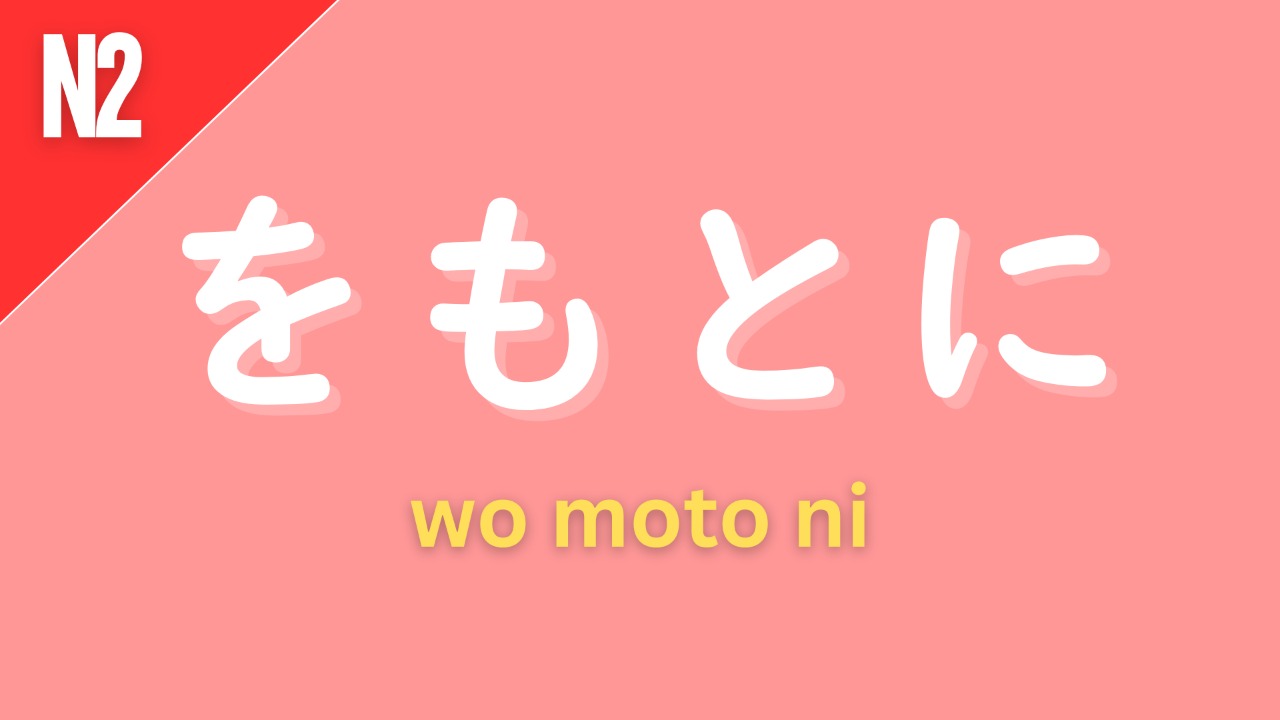
In Japanese, there’s a perfect expression to describe this idea of “using something as the source, base, or inspiration”: をもとに (wo moto ni)
It means “based on ~” or “using ~ as the basis.”
You can use it for cooking, planning, creating, designing, researching. Really anything where one thing becomes the base for another.
Are you ready to learn how to use it naturally and confidently?
Let’s dive in!



にもとづいて(ni motozuite) vs をもとに (wo moto ni)
Both expressions can translate to “based on”, but they’re used in different situations and have different levels of formality.
にもとづいて(ni motozuite)
More formal and often used in business, academic, or legal contexts.
It means something is done according to rules, standards, data, or official guidelines.
調査結果にもとづいて、新しい計画を立てました。
ちょうさ けっか にもとづいて あたらしい けいかく を たてました。
chousa kekka ni motozuite atarashii keikaku wo tatemashita.
We created a new plan based on the research results.
This expression emphasizes accuracy, objectivity, and formality.
をもとに (wo moto ni )
Used when something is created, designed, or decided using A as the source or inspiration.
Perfect for ideas, stories, personal experiences, or data that become the “raw material” for something new.
この映画は実話をもとに作られました。
この えいが は じつわ をもとに つくられました。
kono eiga ha jitsuwa wo moto ni tsukura remashita.
This movie was made based on a true story.
This focuses on creativity or derivation.

自分の経験をもとに、小説を書くことにします。
じぶん の けいけん を もと に、しょうせつ を かく こと に します。
jibun no keiken wo moto ni, shousetsu wo kaku koto ni shimasu.
I’ve decided to write a novel based on my own experiences.
SNSで見たレシピをもとに、ケーキを焼きました。
SNS で みた レシピ を もと に、ケーキ を やきました。
sns de mita reshipi wo moto ni, keeki wo yakimashita.
I baked a cake based on a recipe I saw on SNS.
会議資料をもとに、スライドを作成した。
かいぎ しりょう を もと に、スライド を さくせい した。
kaigi shiryou wo moto ni, suraido wo sakusei shita.
I created slides based on the meeting documents.
インタビューの内容をもとにして、記事を書きました。
インタビュー の ないよう を もと に して、きじ を かきました。
intabyuu no naiyou wo moto ni shite, kiji wo kakimashita.
I wrote an article based on the content of the interview.
アンケート結果をもとにして、接客業務の改善をする。
アンケート けっか を もと に して、せっきゃく ぎょうむ の かいぜん を する。
ankeeto kekka wo moto ni shite, sekkyaku gyoumu no kaizen wo suru.
We will improve customer service operations based on the survey results.

- Grammar Point: をもとに (wo moto ni)
- JLPT Level: N2
- Meaning: Based on, using ~ as the foundation/source
- Quick Explanation: をもとに is used when you create, decide, or analyze something using a noun as the basis, like data, stories, advice, interviews, or personal experience.
It’s common in formal writing, business, academic settings, and even daily life when explaining what something is derived from.
So that’s how we use をもとに!
It’s a powerful expression that helps you explain the source or foundation behind your decisions, creations, or ideas clearly and naturally!
みんなの声をもとに、ブログやSNSのコンテンツを考えているよ!
みんな の こえ を もと に、ぶろぐ や えすえぬえす の こんてんつ を かんがえて いる よ!
minna no koe wo moto ni, burogu ya SNS no kontentsu wo kangaete iru yo!
I create my blog and social media content based on everyone’s feedback!
Now it’s your turn! Try making your own sentences using をもとに and explain what your ideas or decisions are based on!
Your Sensei,
Hikari 👩🏻🏫✨
Get Hikari's JLPT Mock Exams & Preparation Lessons!
Whether you are studying to pass the JLPT or looking for a challenge in your learning journey, these courses are perfect for you!
Join my ニュースレター Newsletter 📩
You can expect an email from me once a week about Japanese culture.
Don't worry, your information will not be shared.
We hate SPAM. We will never sell your information, for any reason.