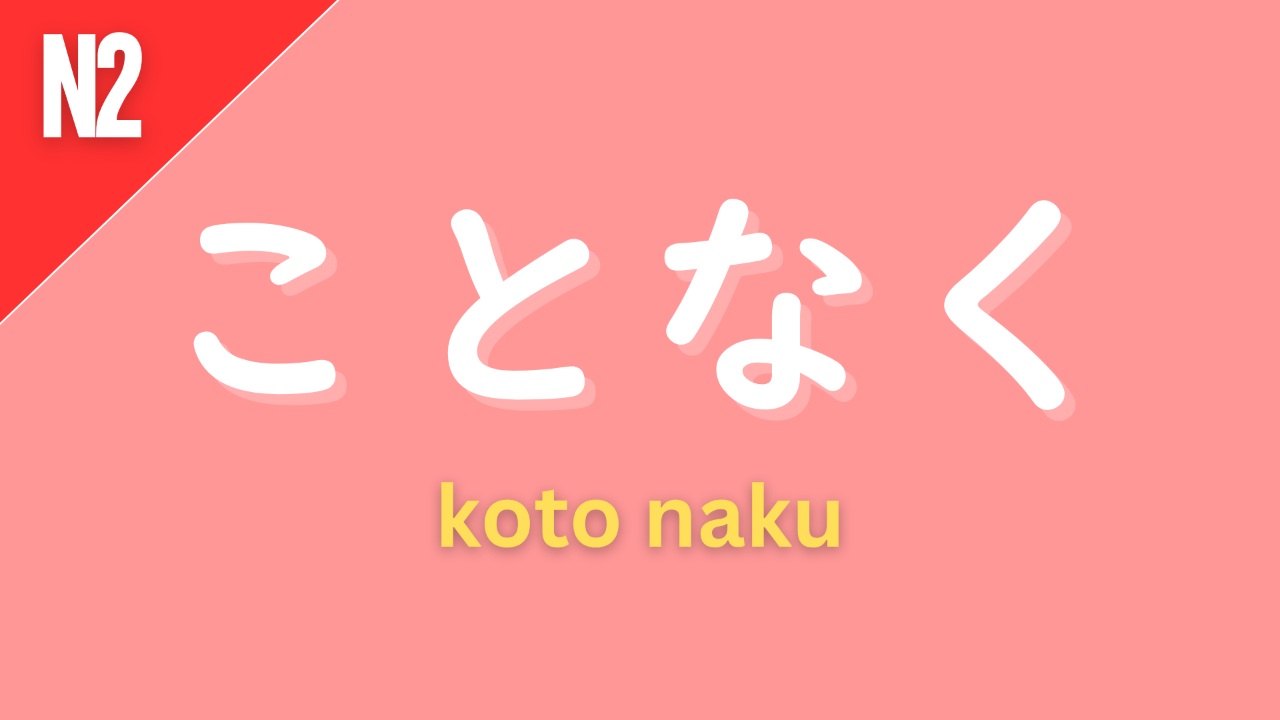
JLPT N2 - Grammar 🌟 ことなく koto naku
Have you ever wanted to say something like,
“He did it without stopping once,” or “She left without apologizing”. But felt that a simple “without doing” sounded a little too casual for the situation?
In everyday Japanese, you can use expressions like「〜しないで」 or 「〜せずに」.
They’re natural, useful, and perfectly fine for daily conversation.
But sometimes… that’s not quite enough, right?
What if you want to sound more formal, more deliberate, or more suitable for a speech, a news report, or serious writing?
What if you want to emphasize that something was done consistently, calmly, or without ever breaking form?
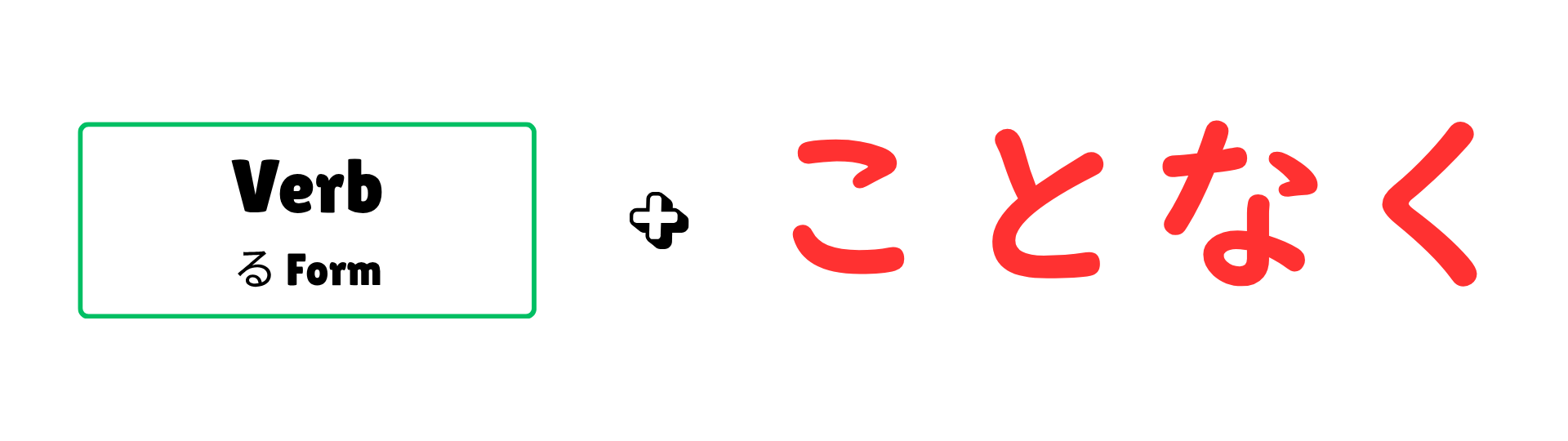
That’s when Japanese uses a more refined and powerful expression: ことなく (koto naku)
This grammar pattern means “without doing (something) even once”, and it’s often used to highlight determination, consistency, or the absence of interruption.
You’ll see it frequently in speeches, news articles, biographies, and professional writing,
the kind of Japanese that sounds composed, intentional, and mature.
So if you’ve ever thought,
“I want to say this in a more formal, serious way,” then ことなく is exactly the expression you’re looking for.
Ready to learn how to use ことなく naturally and confidently?
Let’s dive in together!


しないで (shinaide) vs せずに (sezu ni) vs ことなく(koto naku)
All three expressions can mean “without doing (something)”, but the tone, formality, and intention are quite different.
しないで (shinaide) - casual, spoken “without doing”
しないで is the most casual and conversational option.
It’s commonly used in everyday speech and feels very direct and friendly.
彼は何も言わないで、部屋を出た。
かれ は なにも いわないで、へや を でた。
kare ha nani mo iwanaide, heya wo deta.
He left the room without saying anything.
(Casual, natural in daily conversation.)
Use しないで when you’re speaking informally with friends or family.
せずに (sezu ni) - neutral, flexible “without doing”
せずに is a more neutral and versatile form.
It’s used in both spoken and written Japanese and sounds more composed than しないで, but not especially formal.
彼は何も言わずに、部屋を出た。
かれ は なにも いわずに、へや を でた。
kare ha nani mo iwazuni, heya wo deta.
He left the room without saying anything.
(Neutral, works well in both speech and writing.)
Use せずに when you want a balanced, standard expression.
ことなく(koto naku) - formal, refined “without ever doing”
ことなく is the most formal of the three.
It’s mainly used in writing, speeches, news reports, and serious descriptions.
Rather than just saying something didn’t happen, ことなく often emphasizes that the action was never done at all, sometimes highlighting consistency, restraint, or determination.
彼は何かを言うことなく、部屋を出た。
かれ は なにか を いう ことなく、へや を でた。
kare ha nanika wo iu koto naku, heya wo deta.
He left the room without saying a single word.
(Formal, deliberate, written or speech-like.)
Use ことなく when you want to sound formal, composed, or authoritative.
💡 Quick Tip
しないで (shinaide) - casual, spoken, friendly
せずに (sezu ni) - neutral, flexible, standard
ことなく (koto naku) - formal, written, speech-like, refined

彼は一度も休むことなく、30年間この仕事を続けた。
かれ は いちど も やすむ ことなく、さんじゅうねんかん この しごと を つづけた。
kare ha ichido mo yasumu koto naku, sanjuunenkan kono shigoto wo tsudzuketa.
He continued this job for 30 years without taking a single break.
彼女は困難に屈することなく、最後まで自分の信念を貫いた。
かのじょ は こんなん に くっする ことなく、さいご まで じぶん の しねん を つらぬいた。
kanojo ha konnan ni kusuru koto naku, saigo made jibun no shinen wo tsuranuita.
She stayed true to her beliefs until the very end without giving in to difficulties.
この時計は、一度も故障することなく、10年間動き続けている。
この とけい は、いちど も こしょう する ことなく、じゅうねんかん うごきつづけている。
kono tokei ha, ichido mo koshou suru koto naku, juunenkan ugokitsudzuketeiru.
This watch has kept running for ten years without breaking down even once.
兄は誰にも相談することなく、一人で重大な決断を下した。
あに は だれ にも そうだん する ことなく、ひとり で じゅうだい な けつだん を くだした。
ani ha dare ni mo soudan suru koto naku, hitori de juudai na ketsudan wo kudashita.
My older brother made an important decision all by himself without consulting anyone.
上司は私に一言も謝罪することなく、その場を去って行った。
じょうし は わたし に ひとこと も しゃざい する ことなく、そのば を さって いった。
joushi ha watashi ni hitokoto mo shazai suru koto naku, sonoba wo satte itta.
My boss left the scene without offering me even a single word of apology.

- Grammar Point: ことなく (koto naku)
- JLPT Level: N2
- Meaning: Without doing, without ever doing (even once)
- Quick Explanation: ことなく is used to express that an action or experience never happened at all before moving on to the next result or situation.
So that’s how we use ことなく!
It’s perfect when you want to describe actions taken consistently, calmly, or without interruption, or when you want your Japanese to sound more mature and refined.
あきらめることなく日本語の勉強を続けているあなた、本当にすごいです!
あきらめる ことなく にほんご の べんきょう を つづけている あなた、ほんとう に すごい です!
akirameru koto naku nihongo no benkyou wo tsudzuketeiru anata, hontou ni sugoi desu!
You’ve been continuing your Japanese studies without giving up, that’s truly amazing!
Try using ことなく the next time you want to sound a little more serious or intentional in Japanese.
Your expressions will instantly feel stronger and more polished.
Your Sensei,
Hikari 👩🏻🏫✨
Get Hikari's JLPT Mock Exams & Preparation Lessons!
Whether you are studying to pass the JLPT or looking for a challenge in your learning journey, these courses are perfect for you!
Join my ニュースレター Newsletter 📩
You can expect an email from me once a week about Japanese culture.
Don't worry, your information will not be shared.
We hate SPAM. We will never sell your information, for any reason.