JLPT N2 - Grammar 🌟 逆に gyaku ni
Have you ever tried to do something helpful, but it ended up having the complete opposite effect? Or maybe you’ve found that a "bad" situation actually turned out to be a good thing when you looked at it differently?
That’s where 逆に (ぎゃくに / gyaku ni) comes in!
It’s an incredibly versatile N2 expression that means "conversely," "on the contrary," or "on the other hand." While textbooks often teach it as a simple way to show contrast, native speakers use it from making new suggestions to using cool "reverse" logic in casual chat.
Imagine you're worried about a design being too flashy. Your friend might say, "No, it's 逆に better because it stands out!" It’s that "turning the tables" kind of feeling.
Let’s dive into the world of "reverse thinking" and learn how to use 逆に like a pro!
Ready? Let's go!


むしろ (mushiro) vs 逆に (gyaku ni)
Both can mean "rather," but they focus on different things.
The nuance changes depending on whether you are highlighting a "reverse" result or making a "better" choice.
むしろ (mushiro)
This is used when comparing two options and emphasizing that "B is actually better or more accurate than A."
安すぎて怪しい。むしろ高い方が安心だ。
やすすぎて あやしい。むしろ たかい ほう が あんしん だ。
yasusugite ayashii. mushiro takai hou ga anshin da.
It’s so cheap it’s suspicious. I’d actually feel more reassured if it were expensive.
逆に (gyaku ni)
This focuses on the fact that the result is the opposite of what was expected or previously mentioned. It’s for "reverse" outcomes.
安すぎて、逆に買いたくない。
やすすぎて、ぎゃくに かいたくない。
yasusugite, gyaku ni kaitakunai.
It’s so cheap that, on the contrary, I don’t want to buy it. (Expected: cheap = want to buy)
💡 Quick Tip:
In some cases, both can be used! When you want to say "instead of A, B is actually the better/correct way," they can overlap.
Also, native speakers often use 逆に言うと (ぎゃくにいうと / gyaku ni iu to). It means "In other words" or "From another point of view." It’s a great phrase to transition to a new perspective!

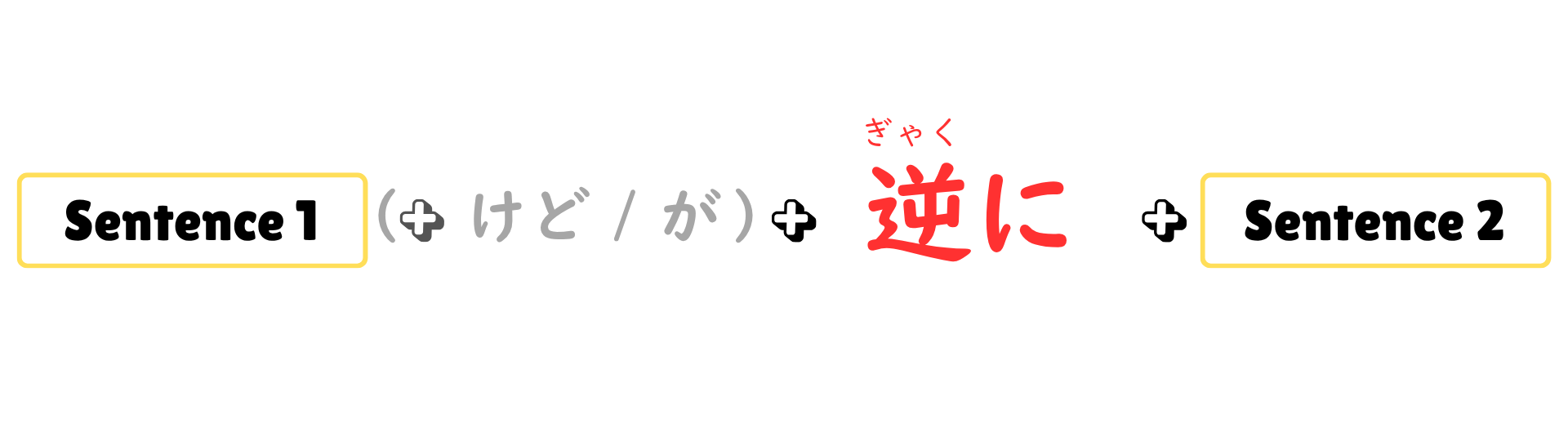
都会は便利だが家賃が高い。逆に、田舎は不便だが安く広い家に住める。
とかい は べんり だ が やちん が たかい。ぎゃくに、いなか は ふべん だ が やすく ひろい いえ に すめる。
tokai ha benri da ga yachin ga takai. gyaku ni, inaka ha fuben da ga yasuku hiroi ie ni sumeru.
Cities are convenient but the rent is high. Conversely, the countryside is inconvenient, but you can live in a cheap, spacious house.
昨日は一日中寝ていた。逆に、今日は体がだるくなってしまった。
きのう は いちにちじゅう ねていた。ぎゃくに、きょう は からだ が だるくなってしまった。
kinou ha ichinichijuu neteita. gyaku ni, kyou ha karada ga darukunatteshimatta.
I slept all day yesterday. On the contrary, my body ended up feeling heavy and sluggish today.
昔のゲームはセーブもできなくて不便だった。今は逆に、その不便さが楽しかったりする。
むかし の げーむ は せーぶ も できなくて ふべん だった。いま は ぎゃくに、その ふべんさ が たのしかったり する。
mukashi no geemu ha seebu mo dekinakute fuben datta. ima ha gyaku ni, sono fubensa ga tanoshikattari suru.
Old games were inconvenient because you couldn't even save. Now, conversely, that very inconvenience is kind of fun.
何もしないのが、逆に一番の近道だよ。
なにも しない の が、ぎゃくに いちばん の ちかみち だ よ。
nanimo shinai no ga, gyaku ni ichiban no chikamichi da yo.
Doing nothing is actually the fastest way.
失敗を恐れて何もしない。逆に、それが一番のリスクになることもある。
しっぱい を おそれて なにも しない。ぎゃくに、それ が いちばん の りすく に なる こと も ある。
shippai wo osorete nanimo shinai. gyaku ni, sore ga ichiban no risuku ni naru koto mo aru.
Doing nothing out of fear of failure. Conversely, that can sometimes become the biggest risk of all.
派手な服は苦手だけど、逆にこれくらい明るい色の方が顔色がよく見えるかも。
はでな ふく は にがて だけど、ぎゃくに これ くらい あかるい いろ の ほう が かおいろ が よく みえる かも。
hadena fuku ha nigate dakedo, gyaku ni kore kurai akarui iro no hou ga kaoiro ga yoku mieru kamo.
I'm not a fan of flashy clothes, but on the other hand, a bright color like this might actually make my complexion look better.
道を間違えてしまったが、逆に素敵なお店を見つけることができた。
みち を まちがえてしまった が、ぎゃくに すてきなおみせ を みつける こと が できた。
michi wo machigaeteshimatta ga, gyaku ni sutekina omise wo mitsukeru koto ga dekita.
I took the wrong path, but on the contrary, I was able to find a lovely shop.

- Grammar Point: 逆に (ぎゃくに / gyaku ni)
- JLPT Level: N2
- Meaning: Conversely, on the contrary, on the other hand, instead
- Quick Explanation: 逆に is used when a result is the opposite of expectations, when offering a different perspective, or when making a counter-proposal.
So that’s how we use 逆に!
It’s a super handy word that makes your Japanese sound much more natural and flexible.
日本語の勉強は大変だけど、逆にやる気に火がついた!なんて思えたら最高だね!
にほんご の べんきょう は たいへん だ けど、ぎゃくに やるき に ひ が ついた!なんて おもえたら さいこう だ ね!
nihongo no benkyou ha taihen da kedo, gyaku ni yaruki ni hi ga tsuita! nante omoetara saikou da ne!
Japanese study is hard, but it would be amazing if you could think, "On the contrary, it lit a fire under my motivation!"
I’m always here to support you, so let's keep going! You've got this!
Your Sensei,
Hikari 👩🏻🏫✨
Get Hikari's JLPT Mock Exams & Preparation Lessons!
Whether you are studying to pass the JLPT or looking for a challenge in your learning journey, these courses are perfect for you!
Join my ニュースレター Newsletter 📩
You can expect an email from me once a week about Japanese culture.
Don't worry, your information will not be shared.
We hate SPAM. We will never sell your information, for any reason.