JLPT N1 - Grammar 🌟 ためしがない tameshiganai

Have you ever had something that never seems to go well, no matter how many times you try?
Like, you promise yourself, “This time, I’ll wake up early!” … but somehow, you’re always hitting the snooze button again.
Or every time you cook pasta, it always ends up overcooked.
In Japanese, there’s a perfect phrase for expressing that kind of “it’s never worked, not even once!” feeling.
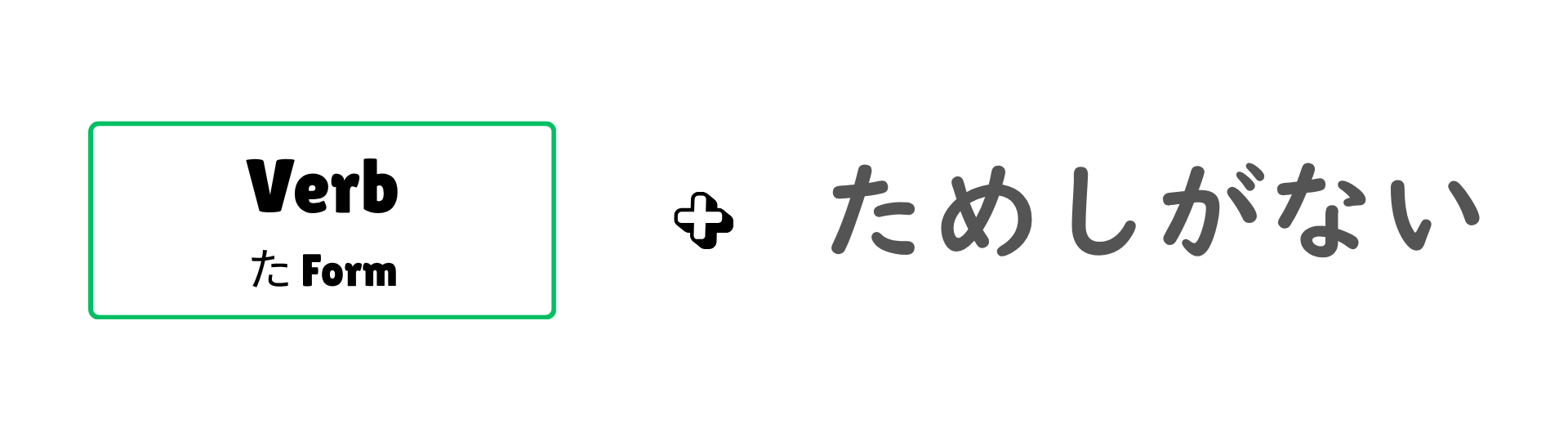
It’s ためしがない (tameshi ga nai), an N1 grammar point that means “has never happened,” “there has never been a case,” or “it’s never gone right.”
It’s often used with a touch of complaint, disbelief, or mild frustration, when something has repeatedly failed or never succeeded.
Let’s learn how to use ためしがない, and maybe laugh a little about our repeated life fails together.


ことがない (koto ga nai) vs. ためしがない (tameshi ga nai)
Both expressions can be translated as “have never (done/experienced) ~”,
but ことがない (koto ga nai) is neutral, while ためしがない (tameshi ga nai) carries emotion, like complaint, disbelief, or frustration.
彼は時間どおりに来たことがない。
かれ は じかん どおり に きた こと が ない。
kare ha jikan doori ni kita koto ga nai.
He has never come on time. (A neutral statement of fact)
彼は時間どおりに来たためしがない。
かれ は じかん どおり に きた ためし が ない。
kare ha jikan doori ni kita tameshi ga nai.
He’s never once come on time. (He always shows up late! Expresses exasperation, complaint, or mild disbelief.)
💡Tip:
Use ことがない (koto ga nai) when you just want to state a fact.
Use ためしがない (tameshi ga nai) when you want to add emotion, frustration, sarcasm, or humor.

会議が予定どおり終わったためしがない。
かいぎ が よてい どおり おわった ためし が ない。
kaigi ga yotei doori owatta tameshi ga nai.
Our meetings have never finished on time.
締め切り前に余裕を持って提出できたためしがない。
しめきり まえ に よゆう を もって ていしゅつ できた ためし が ない。
shimekiri mae ni yoyuu wo motte teishutsu dekita tameshi ga nai.
I’ve never once submitted something with time to spare.
レシピ通りに作っているつもりなのに成功したためしがない。
れしぴ どおり に つくっている つもり なのに せいこう した ためし が ない。
reshipi doori ni tsukutteiru tsumori nanoni seikou shita tameshi ga nai.
Even when I follow the recipe exactly, it never turns out right.
「ちょっとだけ食べる」って言って、本当にちょっとで終わったためしがない。
「ちょっと だけ たべる」って いって、ほんとうに ちょっと で おわった ためし が ない。
“Chotto dake taberu” tte itte, hontou ni chotto de owatta tameshi ga nai.
I’ve never actually stopped at “just a bite.”
品物が予定通りに配達されたためしがない。
しなもの が よてい どおり に はいたつ された ためし が ない。
shinamono ga yotei doori ni haitatsu sareta tameshi ga nai.
My packages have never been delivered on schedule.

- Grammar Point: ためしがない (tameshi ga nai)
- JLPT Level: N1
- Meaning: Has never happened, has never been the case, not once
- Quick Explanation: Used to express that something has never once happened or succeeded.
It often carries feelings of frustration, irony, or disbelief.
So that’s how we use ためしがない!
It’s perfect for those “it never works out!” or “not once!” moments in life, a mix of frustration and humor that every Japanese learner can relate to.
1月1日に、富士山、タカ、なすの夢を見ると縁起がいいと言うけど、そんな夢見たためしがない。
いちがつついたちに、ふじさん、たか、なすのゆめをみるとえんぎがいいというけど、そんなゆめみたためしがない。
Ichigatsu tsuitachi ni, Fujisan, taka, nasu no yume o miru to engi ga ii to iu kedo, sonna yume mita tameshi ga nai.
It has been told that it’s good luck to dream of Mount Fuji, a hawk, or an eggplant on January 1st, but I’ve never had a dream like that.
Have you ever had such dream before?
Now it’s your turn! Try making your own sentences with ためしがない and share your “never works out” stories in Japanese!
Your Sensei,
Hikari 👩🏻🏫
Get Hikari's JLPT Mock Exams & Preparation Lessons!
Whether you are studying to pass the JLPT or looking for a challenge in your learning journey, these courses are perfect for you!

Join my ニュースレター Newsletter 📩
You can expect an email from me once a week about Japanese culture.
Don't worry, your information will not be shared.
We hate SPAM. We will never sell your information, for any reason.