JLPT N1 - Grammar 🌟 によらず ni yorazu
Have you ever encountered a rule that was so strict it did not care about your excuses?
Or maybe you have seen a job posting that says, “We hire the best talent, no matter where you are from!”
That feeling of “regardless of X, the result is always Y” is exactly what によらず (ni yorazu) expresses.
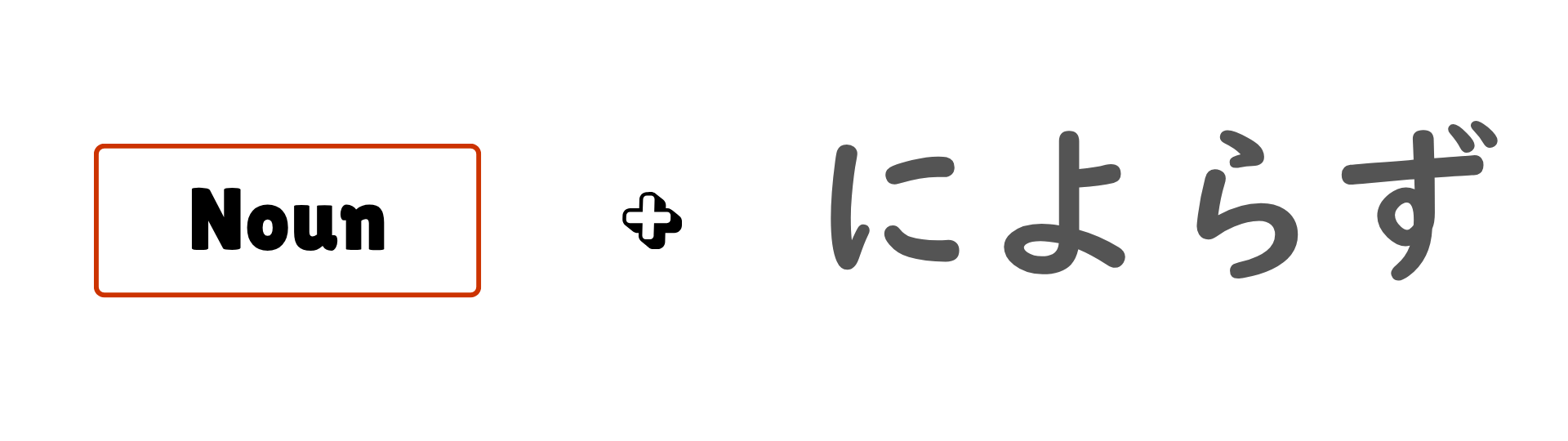
によらず is a formal expression that means regardless of or without depending on something. It is commonly found in official announcements, business documents, rules, and news reports.
This grammar point emphasizes that a decision or result does not change, even when the conditions change. It is often used to show fairness, neutrality, or objective standards.
Let’s dive into how to use this strong, professional expression and make your Japanese sound more precise and sophisticated.


を問わず(をとわず/ wo towazu) vs に関わらず(にかかわらず/ni kakawarazu) vs によらず (ni yorazu)
All three expressions can be translated as “regardless of,” but they focus on different perspectives. Understanding this difference is key to using them naturally at an advanced level.
を問わず (をとわず/ wo towazu)
を問わず emphasizes who is included. The nuance is that a certain factor is not even asked about or questioned.
It is very common in job ads, recruitment notices, and public announcements, where inclusiveness is highlighted.
学歴を問わず採用します。
がくれきをとわずさいようします。
gakureki wo towazu saiyou shimasu.
We hire people regardless of academic background.
Use を問わず (wo towazu) when you want to emphasize openness and a wide range of eligible people.
に関わらず (にかかわらず/ni kakawarazu)
に関わらず focuses on the idea that the result does not change, even if conditions differ.
The condition exists, but it does not affect the outcome.
This expression sounds logical and explanatory, and is often used when clearly stating that a decision stays the same.
学歴に関わらず採用します。
がくれきにかかわらずさいようします。
gakureki ni kakawarazu saiyou shimasu.
We hire people regardless of academic background.
Use に関わらず (ni kakawarazu) when you want to stress that the outcome remains unchanged despite different conditions.
によらず (ni yorazu)
によらず is the most formal and objective of the three.
It emphasizes that a specific factor is not used as a basis for judgment at all.
This expression is common in official policies, rules, and formal statements where fairness and evaluation standards are important.
学歴によらず能力で評価します。
がくれきによらずのうりょくでひょうかします。
gakureki ni yorazu nouryoku de hyouka shimasu.
We evaluate people based on ability, not academic background.
Use によらず when talking about rules, evaluation criteria, or objective decision making.
💡Quick Tip
を問わず (wo towazu) focuses on who is included
に関わらず (ni kakawarazu) focuses on the fact that the result does not change
によらず (ni yorazu) focuses on how decisions are made

このボランティア活動は、経験の有無によらず、どなたでも参加できます。
このぼらんてぃあかつどうは、けいけんのうむによらず、どなたでもさんかできます。
kono borantia katsudou ha, keiken no umu ni yorazu, donata demo sanka dekimasu.
This volunteer activity is open to anyone, regardless of whether they have experience or not.
国籍や人種によらず、すべての人が平等に教育を受ける権利を持っています。
こくせきやじんしゅによらず、すべてのひとがびょうどうにきょういくをうけるけんりをもっています。
kokuseki ya jinshu ni yorazu, subete no hito ga byoudou ni kyouiku wo ukeru kenri wo motteimasu.
All people have the right to receive education equally, regardless of nationality or race.
彼は見かけによらず、習字が趣味なんです。
かれはみかけによらず、しゅうじがしゅみなんです。
kare ha mikake ni yorazu, shuuji ga shumi nan desu.
Despite his appearance, calligraphy is his hobby.
あの店は外観によらず、内装は非常に豪華な造りになっている。
あのみせはがいかんによらず、ないそうはひじょうにごうかなつくりになっている。
ano mise ha gaikan ni yorazu, naisou ha hijou ni gouka na tsukuri ni natteiru.
That shop may not look impressive from the outside, but the interior is extremely luxurious.
この動物は体格によらず、とても素早く動くことができる。
このどうぶつはたいかくによらず、とてもすばやくうごくことができる。
kono doubutsu ha taikaku ni yorazu, totemo subayaku ugoku koto ga dekiru.
This animal can move very quickly, regardless of its body size.

- Grammar Point: によらず (ni yorazu)
- JLPT Level: N1
- Meaning: Regardless of, without depending on
- Quick Explanation: によらず is used to state that a rule, judgment, or result applies equally, without being influenced by a specific condition or category.
So that is how we use によらず.
It is a powerful expression when you want to sound logical, neutral, and professional.
One important note to remember!
Using 見かけによらず (mikake ni yorazu - in contrast to appearance) can be fine in a joking or friendly way with close friends.
However, using it with someone you do not know well or with a superior can sound like you are making assumptions or pushing a stereotype.
It may even make the other person think, “What are you trying to say about how I look?”
So be careful about the situation and the relationship when you use this expression.
Now it is your turn.
Think about a rule, policy, or situation where fairness matters, and try expressing it using によらず.
Your Sensei,
Hikari 👩🏻🏫✨
Get Hikari's JLPT Mock Exams & Preparation Lessons!
Whether you are studying to pass the JLPT or looking for a challenge in your learning journey, these courses are perfect for you!
Join my ニュースレター Newsletter 📩
You can expect an email from me once a week about Japanese culture.
Don't worry, your information will not be shared.
We hate SPAM. We will never sell your information, for any reason.