JLPT N1 - Grammar 🌟 なり nari
Have you ever seen someone act so fast it made your head spin?
Imagine your younger brother coming home from school. The second and I mean the millisecond his foot crosses the threshold, he throws his bag on the floor and sprints outside to play with his friends. No "I'm home," no washing hands, just pure lightning speed!
In English, we might say "as soon as" or "the moment that," but in Japanese, when we want to describe that kind of sudden, back to back action with a touch of drama, we use なり (nari).
This is a refined N1 expression used to describe a sequence of events where action B happens immediately after action A, often in a way that is a bit surprising or intense.
It’s like the character in a story has no "buffer time" between their thoughts and their movements!
Let’s dive into the world of swift transitions and learn how to use なり like a pro!


たとたん (ta totan) vs や否や (やいなや /ya ina ya) vs なり (nari)
These three expressions all mean "as soon as," but they each have a different flavor!
たとたん (ta totan)
たとたん focuses on a sudden change or a moment of surprise. Crucially, the subject of the first part and the second part of the sentence can be different.
窓を開けたとたん、強い風が入ってきた。
まどをあけたとたん、つよいかぜがはいってきた。
mado wo aketa tatotan, tsuyoi kaze ha haittekita.
The moment I opened the window, a strong wind came in.
や否や (やいなや /ya ina ya)
や否や is a very formal, literary expression. It describes two events happening almost simultaneously, often used in news or novels to describe an objective fact without much focus on the person's will.
空が暗くなるや否や、雨が降り出した。
そらがくらくなるやいなや、あめがふりだした。
sora ga kurakunaru ya inaya, ame ga furidashita.
No sooner had the sky turned dark than it started to rain.
なり (nari)
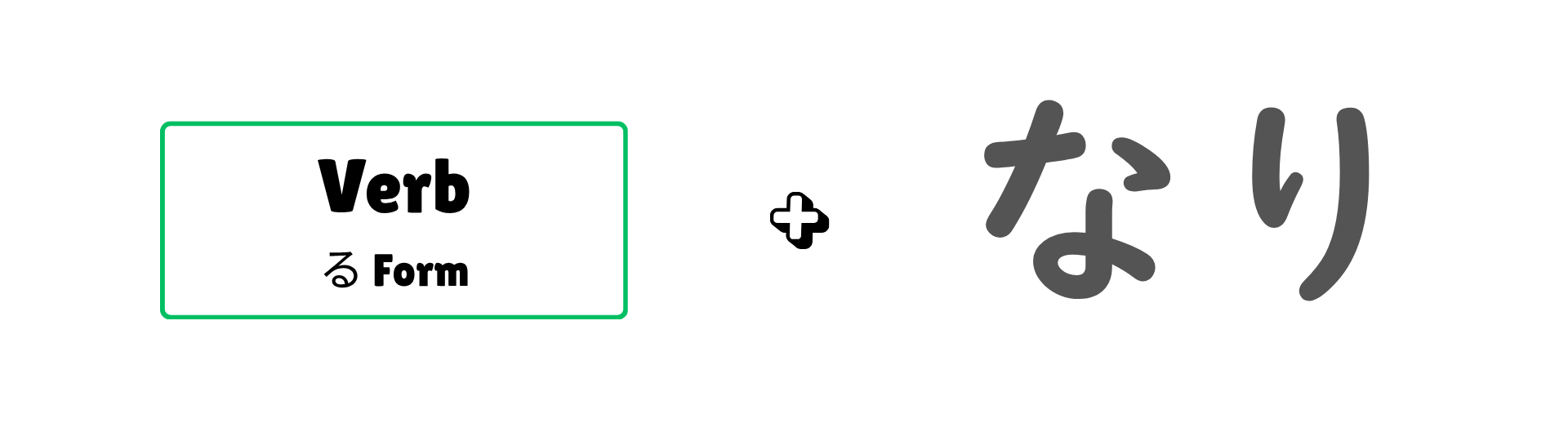
なり describes a continuous flow of action with specific requirements. Generally, the subject for action A and B must be the same, and it is primarily used for third-person descriptions. It emphasizes the person's momentum through an energetic or unexpected reaction.
(Note: While mostly used for others, you might occasionally see it in fixed idioms or when describing one's own habitual patterns.)
彼は部屋に入るなり、倒れ込んだ。
かれはへやにはいるなり、たおれこんだ。
kare ha heya ni hairu nari, taorekonda.
As soon as he entered the room, he collapsed.

弟は家に帰るなり、カバンを放り出して遊びに行った。
おとうとはいえにかえってくるなり、かばんをほうりだしてあそびにいった。
otouto ha ie ni kaerutekuru nari, kaban wo houridashite asobiniitta.
As soon as my little brother got home, he tossed his bag aside and went out to play.
母はニュースを聞くなり、顔が真っ青になった。
はははにゅーすをきくなり、かおがまっさおになった。
haha ha nyuusu wo kiku nari, kao ha massao ni natta.
The moment my mother heard the news, her face turned pale.
犯人は警官の姿を見るなり、逃げ出した。
はんにんはけいかんのすがたをみるなり、にげだした。
hannin ha keikan no sugata wo miru nari, nigedashita.
The criminal took off the moment he saw the police officer.
彼女は電話を切るなり、急いで支度をして家を出た。
かのじょはでんわをきるなり、いそいでしたくをしていえをでた。
kanojo ha denwa wo kiru nari, isoide shitaku wo shite ie wo deta.
As soon as she hung up the phone, she quickly got ready and left the house.
息子は合格発表の画面を見るなり、飛び上がって喜んだ。
むすこはごうかくはっぴょうのがめんをみるなり、とびあがってよろこんだ。
musuko ha goukaku happyou no gamen wo miru nari, tobiagatte yorokonda.
The moment my son saw the exam results screen, he jumped up for joy.
父はソファに座るなり、すぐにいびきをかいて寝てしまった。
ちちはそふぁにすわるなり、すぐにいびきをかいてねてしまった。
chichi ha sofa ni suwaru nari, sugu ni ibiki wo kaite neteshimatta.
As soon as my father sat on the sofa, he immediately started snoring and fell fast asleep.

- Grammar Point: なり (nari)
- JLPT Level: N1
- Meaning: As soon as, right after...
- Quick Explanation: Used when one action happens immediately after another. It provides an objective description of a continuous, often unexpected flow of movement.
So that’s how we use なり!
It’s a fantastic way to add some zip and momentum to your Japanese descriptions. Whether it’s a sudden reaction or a quick exit, this grammar point helps you paint a vivid picture of the action.
上達する人は、新しい表現を習うなり、すぐに口に出して使ってみるものです。
じょうたつするひと は、あたらしい ひょうげん を ならう なり、すぐ に くち に だして つかって みる もの です。
joutatsusuru hito ha, atarashii hyougen wo narau nari, sugu ni kuchi ni dashite tsukatte miru mono desu.
People who improve are the ones who, as soon as they learn a new expression, try saying it out loud immediately!
Now, it’s your turn!
Think of a situation where someone reacts instantly, and try expressing it with なり.
Your Japanese will sound more dynamic, descriptive, and much more advanced!
Your Sensei,
Hikari 👩🏻🏫✨
Get Hikari's JLPT Mock Exams & Preparation Lessons!
Whether you are studying to pass the JLPT or looking for a challenge in your learning journey, these courses are perfect for you!
Join my ニュースレター Newsletter 📩
You can expect an email from me once a week about Japanese culture.
Don't worry, your information will not be shared.
We hate SPAM. We will never sell your information, for any reason.