JLPT N1 - Grammar 🌟 まみれ mamire
Have you ever come home after a long day of hiking and realized you are covered in mud from head to toe?
Or maybe you have been working hard in a garage and noticed your clothes are completely soaked in oil and sweat?
In Japanese, when something usually something dirty, messy, or unpleasant is sticking to the entire surface of something else, we use the expressive N1 grammar point まみれ (mamire).
まみれ is not just about saying something exists.
It strongly expresses the feeling of being completely coated or smeared, often with an unpleasant or uncomfortable nuance.
It is commonly used with physical substances like mud, sweat, oil, or dust, but it can also be used with abstract nouns like debt or lies.
Let’s learn how to use まみれ so your Japanese becomes more vivid and emotionally precise!


だらけ (darake) vs ずくめ (zukume) vs まみれ (mamire)
だらけ, ずくめ and まみれ can all be translated as full of or covered with, but they focus on very different ideas.
だらけ (darake)
だらけ is used when many instances of something are scattered everywhere.
It does not imply that something is smeared or sticking, and it is often used for abstract nouns.
このテストは間違いだらけだ。
この てすと は まちがい だらけ だ。
kono tesuto ha machigai darake da.
This test is full of mistakes.
Use だらけ when something contains a lot of the same items spread around.
ずくめ (zukume)
ずくめ is used when everything in a situation consists of one thing.
It describes the overall result or condition, not something attached to a surface.
It can be positive, neutral, or descriptive, and is often used in written language.
日本旅行は楽しいことずくめだった。
にほんりょこう は たのしいこと ずくめ だった。
nihon ryokou ha tanoshii koto zukume datta.
The trip to Japan was full of good things.
Use ずくめ when the entire situation is filled with one type of thing.
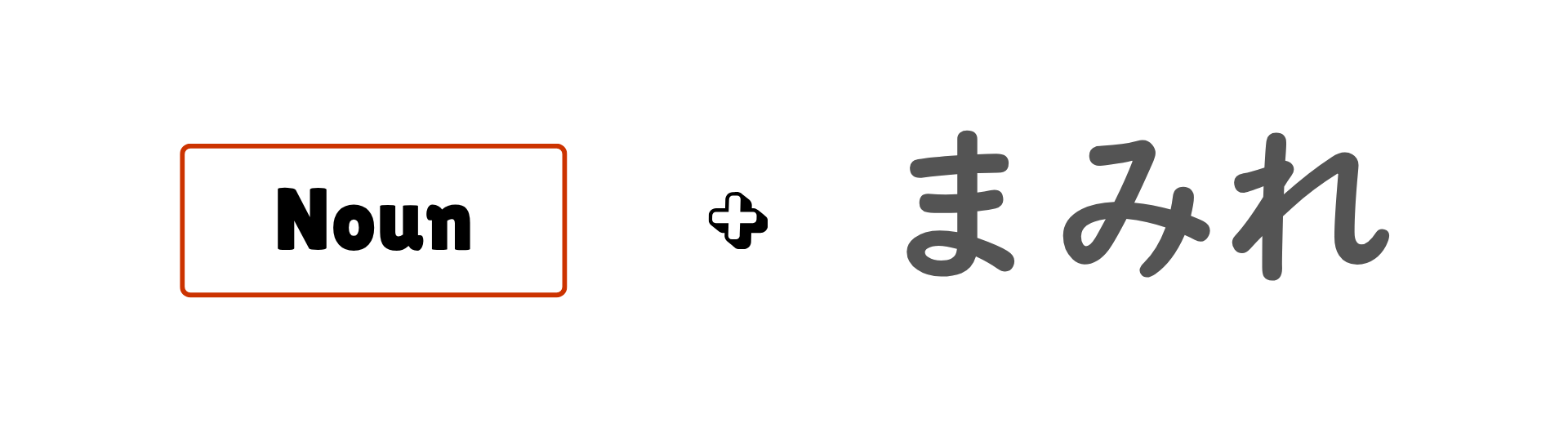
まみれ (mamire)
まみれ is used when something is physically smeared or coated all over a surface.
The substance is usually liquid, powdery, or sticky, and the overall feeling is often dirty or unpleasant.
彼は血まみれの服で戻ってきた。
かれは ち まみれ の ふく で もどってきた。
kare ha chi mamire no fuku de modottekita.
He came back wearing clothes covered in blood.
Use まみれ when something is completely coated and gives a messy or negative impression.

公園で遊んでいた子供が、泥まみれになって帰ってきた。
こうえん で あそんでいた こども が、どろ まみれ に なって かえってきた。
kouen de asondeita kodomo ga, doro mamire ni natte kaettekita.
The child who was playing in the park came home covered in mud.
彼は嘘まみれの過去を隠して生きている。
かれ は うそ まみれ の かこ を かくして いきている。
kare ha uso mamire no kako wo kakushite ikiteiru.
He lives his life hiding a past covered in lies.
この機械は油まみれで、触ると手が真っ黒になる。
この きかい は あぶら まみれ で、さわる と て が まっくろ に なる。
kono kikai ha abura mamire de, sawaru to te ga makkuro ni naru.
This machine is covered in oil, and your hands turn black if you touch it.
借金まみれの生活から抜け出すために、私は必死に働いている。
しゃっきん まみれ の せいかつ から ぬけだす ため に、わたし は ひっし に はたらいている。
shakkin mamire no seikatsu kara nukedasu tame ni, watashi ha hisshi ni hataraiteiru.
I am working desperately to escape a life covered in debt.
暑い中歩き続けて、シャツが汗まみれになった。
あつい なか あるきつづけて、しゃつ が あせ まみれ に なった。
atsui naka arukitsuzukete, shatsu ga ase mamire ni natta.
I kept walking in the heat, and my shirt became drenched in sweat.
この部屋は長い間使われていないので、埃まみれだ。
この へや は ながい あいだ つかわれていない ので、ほこり まみれ だ。
kono heya ha nagai aida tsukawareteinai node, hokori mamire da.
This room has not been used for a long time, so it is covered in dust.

- Grammar Point: まみれ (mamire)
- JLPT Level: N1
- Meaning: Covered with, smeared with
- Quick Explanation: Use まみれ when something is completely coated with a messy or unpleasant substance. It strongly emphasizes a dirty or negative impression.
So that’s how we use まみれ.
It is a vivid expression that helps you describe intense and messy situations clearly.
あー!冷蔵庫の私のチョコ食べたでしょ!口元がチョコまみれだよ!
あー!れいぞうこのわたしのちょこたべたでしょ!くちもとがちょこまみれだよ!
aa! reizouko no watashi no choko tabeta desho! kuchimoto ga choko mamire da yo!
Hey! You ate my chocolate from the fridge, didn’t you? Your mouth is covered in chocolate!
Now it’s your turn.
Think about a funny or messy moment from your daily life and try describing it using まみれ.
Little scenes like this make your Japanese more lively and natural.
Your Sensei,
Hikari 👩🏻🏫✨
Get Hikari's JLPT Mock Exams & Preparation Lessons!
Whether you are studying to pass the JLPT or looking for a challenge in your learning journey, these courses are perfect for you!
Join my ニュースレター Newsletter 📩
You can expect an email from me once a week about Japanese culture.
Don't worry, your information will not be shared.
We hate SPAM. We will never sell your information, for any reason.