JLPT N1 - Grammar 🌟 まじき majiki
Have you ever seen someone in a high position, like a politician, a doctor, or a teacher, do something so shocking that you thought “As a professional, they should never do that”?
Maybe it is a politician caught in a bribery scandal, or a chef using expired ingredients in their kitchen.
Those moments make us feel a strong sense of “This is completely unacceptable for someone in that position.”
That feeling is exactly what まじき (majiki) expresses.
まじき is a very formal N1 expression used to express strong moral criticism.
It is not just about breaking a rule. It is about behavior that is unforgivable or unthinkable given someone’s role, profession, or social position.
You will often see this expression in news articles, official statements, or serious speeches.
This is a very heavy expression.
So if you use it casually with friends, you may sound overly dramatic or judgmental.
まじき is rarely used in everyday conversation, so save it for situations where strong ethical standards are being discussed.
Let’s learn how to use this powerful expression to talk about responsibility, ethics, and conduct that should never happen!

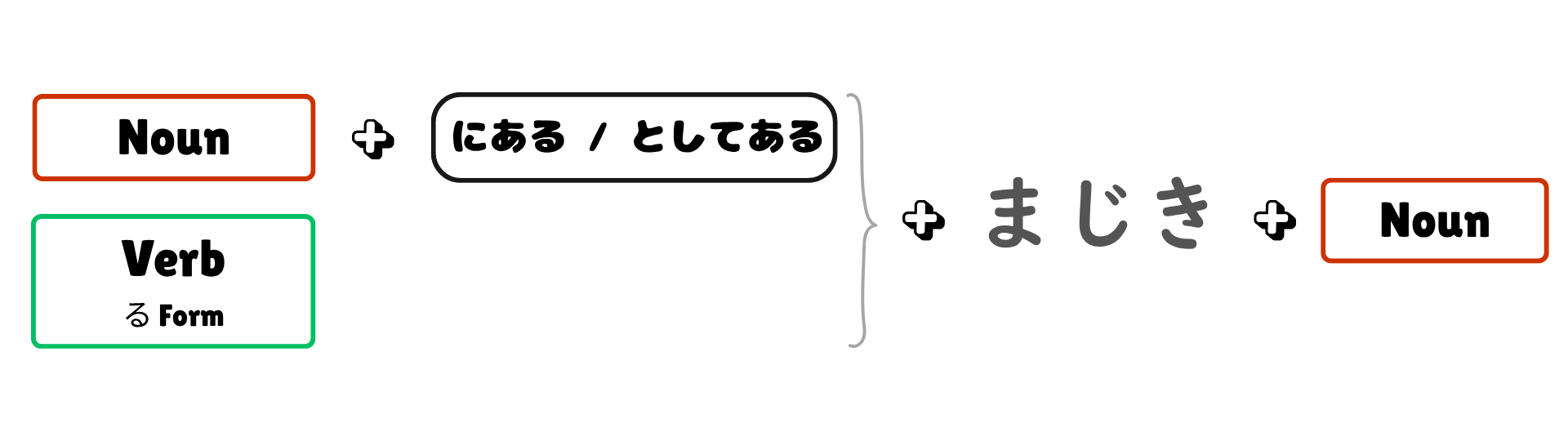

てはいけない (teha ikenai) vs まじき (majiki)
Both expressions mean that something should not be done, but the strength and nuance are very different.
てはいけない (teha ikenai)
This is a general prohibition or rule.
It is commonly used for instructions, manners, safety, or daily rules.
ここでは、煙草を吸ってはいけません。
ここでは たばこ を すって は いけません。
koko de ha tabako wo sutte ha ikemasen.
You must not smoke here.
まじき (majiki)
まじき carries strong moral judgment.
It implies that the action is disgraceful or unacceptable given the person’s position or responsibility.
プロの料理人としてあるまじき行為だ。
ぷろ の りょうりにん として あるまじき こうい だ。
puro no ryourinin toshite arumajiki koui da.
It is an unacceptable act for a professional chef.

罪のない人々を傷つけるのは、許すまじき行為だ。
つみ の ない ひとびと を きずつける の は、ゆるすまじき こうい だ。
tsumi no nai hitobito wo kizutsukeru no ha, yurusumajiki koui da.
Hurting innocent people is an unforgivable act.
親友をだますなんて、あるまじき裏切りだ。
しんゆう を だます なんて、あるまじき うらぎり だ。
shinyuu wo damasu nante, arumajiki uragiri da.
Deceiving a close friend is an unthinkable betrayal.
国の首相が汚職に手を染めるなど、あるまじき事態だ。
くに の しゅしょう が おしょく に て を そめる など、あるまじき じたい だ。
kuni no shushou ga oshoku ni te wo someru nado, arumajiki jitai da.
A nation’s prime minister getting involved in corruption is an unacceptable situation.
親として、それは子供に言うまじき言葉です。
おや として、それ は こども に いうまじき ことば です。
oya toshite, sore ha kodomo ni iumajiki kotoba desu.
As a parent, those are words that should never be said to a child.
(言うまじき(iu majiki):an old fashioned expression and not commonly used in everyday modern Japanese.)
それは、まさに地獄絵図。人間として見るまじき光景であった。
それ は、まさに じごくえず。にんげん として みるまじき こうけい で あった。
sore ha, masani jigokuezu. ningen toshite mirumajiki koukei de atta.
It was truly a scene from hell. An utterly unbearable sight for any human to witness.
(見るまじき(miru majiki): an old fashioned expression and not commonly used in everyday modern Japanese.)
警察官にあるまじき失態を演じてしまった。
けいさつかん に あるまじき しったい を えんじて しまった。
keisatsukan ni arumajiki shittai wo enjite shimatta.
He committed a blunder unbecoming of a police officer.
教育者にあるまじき発言が、SNSで炎上している。
きょういくしゃ に あるまじき はつげん が、えすえぬえす で えんじょう している。
kyousha ni arumajiki hatsugen ga, esuenuesu de enjyou shiteiru.
Remarks unbecoming of an educator are causing an uproar on social media.
経営者としてあるまじき判断ミスが、会社を倒産に追い込んだ。
けいえいしゃ と して あるまじき はんだん みす が、かいしゃ を とうさん に おいこんだ。
keieisha toshite arumajiki handan misu ga, kaisha wo tousan ni oikonda.
A decision error unacceptable for a business leader drove the company into bankruptcy.

- Grammar Point: まじき (majiki)
- JLPT Level: N1
- Meaning: Should not, must not, unacceptable for a certain position
- Quick Explanation: まじき is used to strongly criticize behavior as completely inappropriate given someone’s social role, profession, or moral responsibility. It is formal, serious, and often used in writing or public discourse.
So that’s how we use まじき.
It is a powerful expression that reflects how strongly Japanese culture values responsibility, roles, and social expectations.
You probably won’t use it often in everyday conversation, but understanding it will greatly improve your comprehension of advanced Japanese, especially in news, speeches, and formal writing.
And if you do want to use it casually, turning it into a light joke like this can be fun.
納豆が食べられないなんて、日本好きとしてあるまじき行為だ!
なっとう が たべられない なんて、にほんずき として あるまじき こうい だ!
nattou ga taberarenai nante, nihonzuki toshite arumajiki koui da!
Not being able to eat natto is an unacceptable act for a Japan lover!
Now it’s your turn.
Can you think of an action that would be あるまじき 行為? Try making your own sentence and challenge your N1 skills.
Your Sensei,
Hikari 👩🏻🏫✨
Get Hikari's JLPT Mock Exams & Preparation Lessons!
Whether you are studying to pass the JLPT or looking for a challenge in your learning journey, these courses are perfect for you!
Join my ニュースレター Newsletter 📩
You can expect an email from me once a week about Japanese culture.
Don't worry, your information will not be shared.
We hate SPAM. We will never sell your information, for any reason.