JLPT N1 - Grammar 🌟 かつて katsute
As you move into advanced Japanese, you’ll start seeing words that feel a little… distant.
Not distant in a bad way, but distant in time.
Have you ever read a sentence and felt like it was talking about
“a past that’s clearly different from now”?
Not just “before,” not just “a while ago,” but a past that feels reflective, almost quiet, the kind that makes you pause for a moment.
You may have felt this especially at the beginning of a story in an anime, a movie, or a novel, when the narrator sets the scene by looking back at what once was.
That feeling is often carried by the word かつて (katsute)
かつて means “once,” “formerly,” or “in the past,” but it’s not used for casual memories like
“I went there before” or “I used to like that.”
Instead, it’s used when we look back at a clearly separated past, a former state, a previous era, or a time that no longer exists in the same way.
You’ll often see かつて in writing, news articles, biographies, documentaries, and narrative openings. It has a calm, reflective, slightly formal tone, very different from everyday words like 昔 (mukashi).
So when Japanese wants to gently say, “This is how things were, and now, they are different,” かつて is often the word that opens the door.
Let’s explore how かつて is used,
and how it adds depth and perspective to Japanese together!


昔 (mukashi) vs 以前 (izen) vs かつて (katsute)
All three expressions talk about the past, but they differ in distance, tone, and how formal or reflective they sound.
Knowing which one to choose will make your Japanese much more natural and precise!
昔 (mukashi) - casual, personal “long ago / back then”
昔 is the most casual and commonly used word for “the past.”
It’s vague in timing and often connected to personal memories, nostalgia, or everyday stories.
It feels warm, relaxed, and conversational. Perfect for talking with friends or family.
昔、この公園でよく遊んだ。
むかし、この こうえん で よく あそんだ。
mukashi, kono kouen de yoku asonda.
I used to play in this park back then.
Use 昔 (mukashi) when talking casually about your own memories or general past experiences.
以前 (izen) - neutral, factual “before / previously”
以前 means “before” or “previously.”
Unlike 昔 (mukashi), it doesn’t necessarily mean a long time ago. It can refer to a recent or distant past.
The tone is neutral and factual, and it’s often used in explanations, polite conversation, or reports.
以前、この会社で働いていました。
いぜん、この かいしゃ で はたらいて いました。
izen, kono kaisha de hataraite imashita.
I worked at this company before.
Use 以前 (izen) when you want to state a past fact clearly, without emotional or historical nuance.
かつて (katsute) - distant, reflective, formal “once / formerly”
かつて refers to a past that is clearly separated from the present.
It sounds reflective, objective, and slightly formal, and is mainly used in writing, news, documentaries, biographies, and story openings.
Rather than personal memories, it looks at the past from a distance. As if saying, “This is how things once were, and now they are different.”
かつて、この町は港町として栄えていた。
かつて、この まち は みなとまち として さかえて いた。
katsute, kono machi ha minatomachi toshite sakaete ita.
This town once flourished as a port town.
Use かつて (katsute) when describing former states, eras, or situations in a calm, reflective way.
💡 Quick Tip
昔 (mukashi) - casual, personal, nostalgic
以前 (izen) - neutral, factual, “before”
かつて (katsute) - formal, reflective, distant past
If the sentence feels like it belongs in a story opening, documentary, or historical description,
かつて is often the best choice.

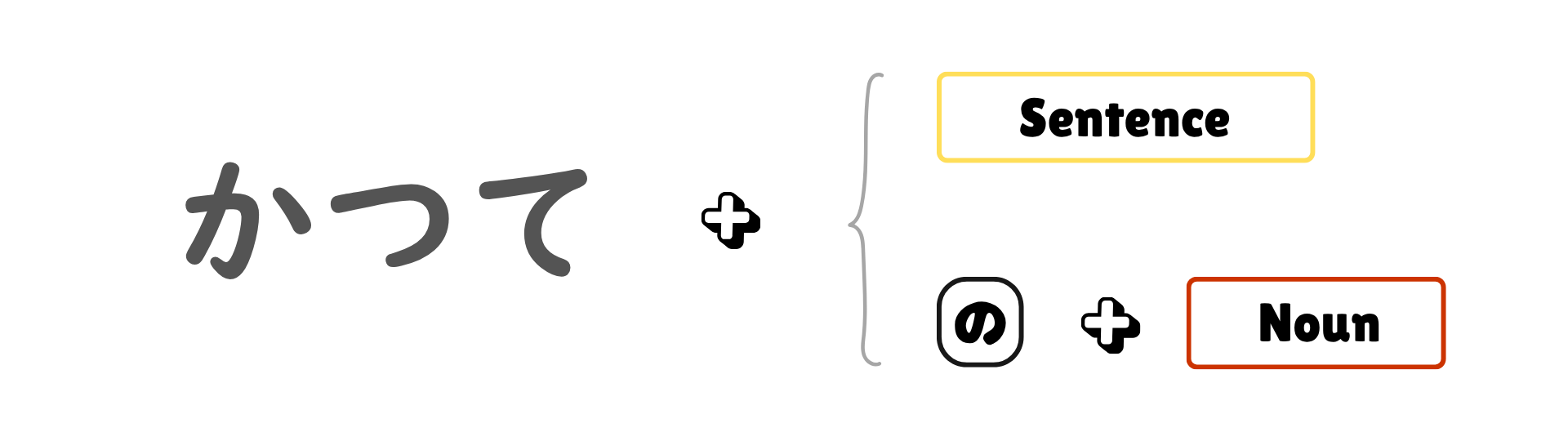
かつて、この町は多くの観光客でにぎわっていました。
かつて、この まち は おおく の かんこうきゃく で にぎわって いました。
katsute, kono machi ha ooku no kankoukyaku de nigiwatte imashita.
This town was once bustling with many tourists.
この会社はかつて、業界トップ企業だった。
この かいしゃ は かつて、ぎょうかい とっぷ きぎょう だった。
kono kaisha ha katsute, gyoukai toppu kigyou datta.
This company was once a top firm in the industry.
かつての恋人と、偶然街中で再会しました。
かつて の こいびと と、ぐうぜん まちなか で さいかい しました。
katsute no koibito to, guuzen machinaka de saikai shimashita.
I ran into my former lover by chance in the city.
彼は、かつての栄光を取り戻すべく努力を続けています。
かれ は、かつて の えいこう を とりもどす べく どりょく を つづけて います。
kare ha, katsute no eikou wo torimodosu beku doryoku wo tsudzukete imasu.
He continues to work hard to regain his former glory.
今年の夏は、かつてないほどに暑かった。
ことし の なつ は、かつて ない ほど に あつかった。
kotoshi no natsu ha, katsute nai hodo ni atsukatta.
This summer was hotter than ever before.
*かつてない is a common fixed phrase meaning “never before.”
人類はかつて経験したことのない、新たな危機に直面している。
じんるい は かつて けいけん した こと の ない、あらた な きき に ちょくめん して いる。
jinrui ha katsute keiken shita koto no nai, arata na kiki ni chokumen shite iru.
Humanity is facing a new crisis it has never experienced before.

- Grammar Point: かつて (katsute)
- JLPT Level: N1
- Meaning: Once, formerly, in the past
- Quick Explanation: かつて is used to talk about a past time or situation that is clearly different from the present.
It has a formal, literary tone and is often used in writing, speeches, history, news, and storytelling.
So that’s how we use かつて!
It’s perfect when you want to describe the past in a calm, reflective, or slightly dramatic way. The kind of tone you often hear at the beginning of movies, anime, documentaries, or historical stories.
かつての友人と久しぶりに話した。
かつてのゆうじんとひさしぶりに話した。
katsute no yuujin to hisashiburi ni hanashita.
I talked with an old friend after a long time.
Try using かつて when you want to talk about who you were, where you came from, or how far you’ve come.
Your Japanese will sound thoughtful, expressive, and beautifully mature.
Your Sensei,
Hikari 👩🏻🏫✨
Get Hikari's JLPT Mock Exams & Preparation Lessons!
Whether you are studying to pass the JLPT or looking for a challenge in your learning journey, these courses are perfect for you!
Join my ニュースレター Newsletter 📩
You can expect an email from me once a week about Japanese culture.
Don't worry, your information will not be shared.
We hate SPAM. We will never sell your information, for any reason.