How Karate was born
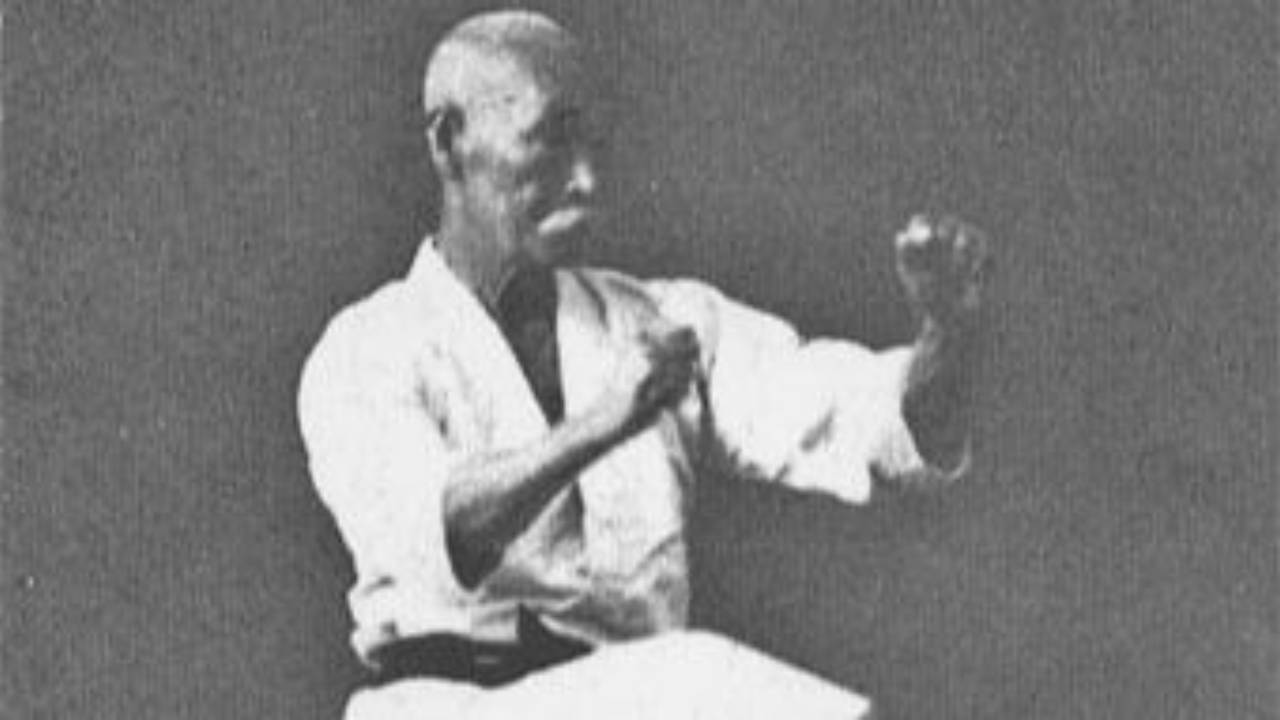
When people think of Japanese martial arts, karate usually pops into mind.
It’s practiced all over the world, but its roots are tied to a specific place and moment in history. And karate isn’t just about kicks and punches. It’s really about discipline, self-control, and learning from others.
Personally, I’ve always had strong self-control. If there’s something about myself I want to improve or change, I just do it. That’s a lot like karate 🥋
You set your goals, practice consistently, and shape yourself step by step.
Let’s learn more about it!
🥋 Where karate comes from
Karate originated in Okinawa (沖縄), a group of islands in southern Japan. Before becoming part of Japan, Okinawa was the independent Ryūkyū Kingdom, with strong trade connections to China and Southeast Asia.
Because of these exchanges, local fighting techniques mixed with Chinese martial arts. This blend laid the foundation for what would later become karate.
🥊 Why weapons were not allowed
One of the most famous stories behind karate is the ban on weapons in Okinawa. During different periods, including rule by Japanese clans, ordinary people were forbidden from carrying swords or weapons.
As a result, they focused on unarmed self defense techniques. Over time, these methods became more refined and systematic, forming the basis of karate training.
🖐️ From “Chinese hand” to “empty hand”
Originally, karate was written as 唐手, meaning “Chinese hand”, reflecting its influence from Chinese martial arts. Later, the writing changed to 空手, meaning “empty hand”.
This change helped karate be accepted more widely in Japan and also emphasized its philosophy of simplicity, humility, and inner strength.
🧘 Karate as a way of life
Karate is not only about physical strength. Training also focuses on mental discipline, respect, and self improvement. Many styles emphasize calm breathing, posture, and awareness, helping practitioners grow both physically and mentally.
🌍 How karate spread around the world
In the early 20th century, karate was introduced to mainland Japan and later spread internationally. After World War II, foreign soldiers stationed in Japan learned karate and brought it back to their home countries.
Today, karate is practiced in over 190 countries and is recognized as one of the most influential martial arts globally.
✨ Interesting facts about karate
- There are many styles of karate, such as Shotokan (松濤館), Goju-ryu (剛柔流), and Shito-ryu (糸東流)
- Karate was included in the Tokyo 2020 Olympic Games
- The word “dojo (道場)” means “place of the way”
- Bowing before practice shows respect, not submission
Your Sensei,
Hikari 👩🏻🏫
Join my ニュースレター Newsletter 📩
You can expect an email from me once a week about Japanese culture.
Don't worry, your information will not be shared.
We hate SPAM. We will never sell your information, for any reason.